


Meet the Grains: An Overview
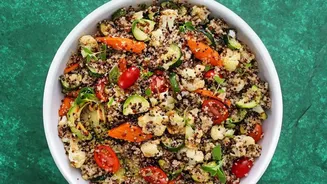
Ragi, also known as finger millet, has been a staple in South Indian and African diets for thousands of years. It's a hardy crop revered for its ability to thrive in tough conditions and its dense nutritional profile. On the other side, we have Quinoa,
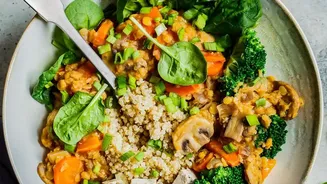
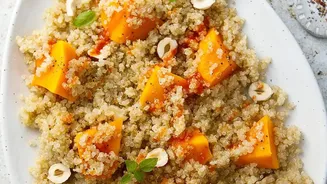
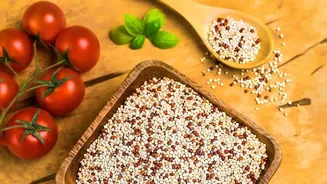
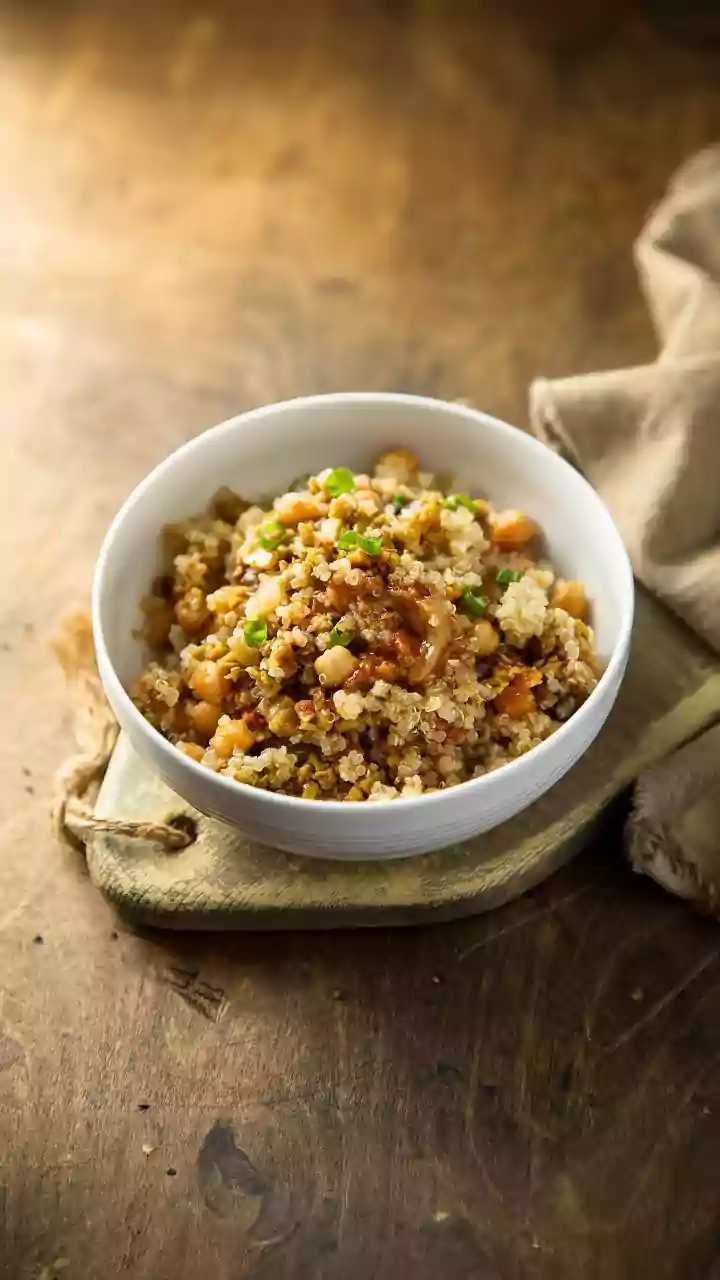
a seed cultivated for centuries in the Andes region of South America. Often called a 'pseudo-cereal', it gained international fame in recent years for its impressive health benefits and versatility, quickly becoming a favourite in health-conscious kitchens worldwide.
The Protein Factor: Complete vs. Combined
One of Quinoa's biggest claims to fame is its status as a 'complete protein'. This means it contains all nine essential amino acids that our bodies cannot produce on their own, a rare trait for a plant-based food. A 100-gram serving of uncooked quinoa offers a substantial 13-14 grams of protein. Ragi, while still a good source of protein with about 7-8 grams per 100g, is not a complete protein on its own as it's lower in the amino acid lysine. However, this is easily remedied in a typical Indian diet. When Ragi is paired with dals (lentils) or legumes, as in the traditional meal of Ragi Mudde with Sambar, the combination creates a complete protein profile.
Calcium King: Ragi's Clear Advantage
When it comes to calcium, Ragi is the undisputed champion. A 100-gram serving of Ragi contains an incredible 344-364 mg of calcium. This is significantly more than most other cereals and even surpasses the calcium content in milk. This makes Ragi an exceptional food for bone health, helping to prevent conditions like osteoporosis. Quinoa, while still offering a decent amount for a grain at around 47-198 mg per 100g, simply cannot compete with Ragi's staggering calcium levels.
Fibre and Carbohydrates
Both grains are excellent sources of complex carbohydrates and dietary fibre, which are crucial for digestive health and sustained energy release. Ragi generally has a slight edge in fibre content, with around 11 grams per 100g compared to Quinoa's 7-14 grams. This higher fibre content in Ragi can promote a feeling of fullness for longer, aiding in weight management and ensuring smooth bowel movements. Both grains are considered beneficial for managing blood sugar levels due to their low to medium glycemic index (GI), which means they cause a slower, more controlled rise in blood sugar compared to refined grains like white rice.
Micronutrient Breakdown: Iron and More
Beyond the major nutrients, both grains are rich in vital minerals. Quinoa tends to have a higher content of iron, magnesium, folate, and zinc. Ragi, on the other hand, is a strong source of iron and also contains essential amino acids like methionine and valine, which are important for tissue repair and skin health. The iron in Ragi makes it beneficial for preventing anemia. Ultimately, both grains provide a valuable array of micronutrients that contribute to overall health.
Cost, Availability, and The Indian Context
For the average Indian consumer, this is where the two grains diverge significantly. Ragi is a locally grown crop, making it widely available and highly affordable across the country. It's a familiar ingredient in many regional cuisines, from dosas and rotis to porridge. Quinoa, being primarily imported from South America, comes with a much higher price tag. Its cost can be up to five times that of Ragi, making it less accessible for daily consumption in many households. This practical aspect often makes Ragi a more sustainable and budget-friendly choice for incorporating whole-grain goodness into your daily diet.