






A Growing List of Problems
The Cybertruck has been subject to a series of recalls for a variety of issues, ranging from minor to potentially dangerous. One of the most alarming was for an accelerator pedal cover that could slip and become lodged, causing unintended acceleration.
More recently, issues have included a massive windshield wiper motor that could fail due to excessive electrical current, reducing visibility in bad weather. Another recall addresses a piece of exterior trim that can detach while driving, creating a hazard for other vehicles on the road. Some recalls have been addressable with over-the-air (OTA) software updates, such as one for a warning light font size that was deemed too small. However, many others require physical repairs at service centres, leading to downtime for owners.
The Wheel Deal
Perhaps the most concerning recent recall involves the potential for wheels to separate from the vehicle. According to filings with the National Highway Traffic Safety Administration (NHTSA), a small number of Cybertrucks were recalled because of brake rotor stud holes that could develop cracks under stress. This could lead to a wheel stud breaking away from the hub, potentially causing a loss of control or the wheel detaching entirely. While the number of affected vehicles in this specific recall was low, the severity of the potential outcome has amplified concerns about the truck's fundamental engineering and quality control during assembly. Tesla has committed to replacing the affected components at no cost to owners.
Innovation vs. Execution
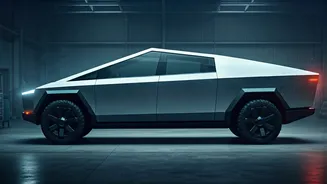
Many of the Cybertruck's problems seem to stem from its unconventional design and materials. The sharp-edged, stainless-steel exoskeleton, while visually striking, presents unique manufacturing challenges compared to traditional automotive body panels. Early owners have reported issues ranging from visible rust spots to misaligned panels and trim pieces. The truck’s sheer size and unique features, like the enormous single windshield wiper, require novel engineering solutions that appear to be experiencing teething problems. While all-new vehicle models from any brand typically face some recalls, the nature of the Cybertruck's issues has led critics to question whether Tesla’s ambition outpaced its production readiness.
Beyond Recalls: Owner Frustrations
Beyond the official recalls, a growing community of early adopters has been vocal about other quality concerns. Some owners report persistent issues with the truck's Power Conversion System (PCS), which can lead to a failure of home charging capabilities. This forces them to rely solely on public DC fast chargers until a complex repair can be completed. Other common complaints on owner forums include rattling noises, water leaks, and malfunctioning tonneau covers. These problems, while not always safety-critical, contribute to a narrative that owning a Cybertruck can involve significant hassle and frequent trips to the service centre, undermining the premium ownership experience Tesla aims for.
The Road Ahead for the Cybertruck
Tesla has a history of refining its vehicles and addressing build quality over the production lifecycle. Many of the software-related issues have been fixed promptly via OTA updates, showcasing the company's agility. However, the hardware-related recalls for the Cybertruck—involving stuck accelerators, faulty wipers, and potentially detaching wheels—are more serious and damaging to consumer confidence. The company’s ability to quickly and effectively resolve these physical defects will be crucial. For a vehicle with such a high profile and a long waiting list, its long-term reputation will depend not on its futuristic looks, but on its ability to function as a reliable, everyday truck.