





That familiar, warming spice in your cabinet has a surprising story. Cinnamon is more than just a powder; it’s the result of a fascinating journey, starting as the inner bark of a tropical evergreen tree before it ever reaches your kitchen.
From Tree to Spice Rack
Cinnamon comes
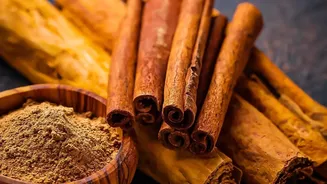
from several tree species belonging to the Cinnamomum genus. The process of harvesting it is a craft in itself. Growers typically wait for trees to mature for at least two years. Often during the rainy season when the bark is more pliable, they cut stems or branches and scrape away the rough, outer layer. This reveals the prized inner bark. This delicate layer is carefully peeled off in strips. As these strips dry over several days, they naturally curl into the familiar shapes we know as cinnamon sticks or quills. These quills are then sold as they are or ground into the powder that is a staple in pantries worldwide.
Not All Cinnamon Is Created Equal
The jar simply labeled 'cinnamon' in most supermarkets is usually a variety known as Cassia. There are a few types of Cassia cinnamon, primarily grown in China, Indonesia, and Vietnam. It is characterized by a dark reddish-brown color, a thick, hard bark, and a strong, spicy flavor. This is the bold, pungent cinnamon most of us associate with baked goods. However, there is another major type: Ceylon cinnamon. Often called 'true cinnamon', it is native to Sri Lanka and southern India. Ceylon cinnamon is lighter in color, with sticks made of many thin, fragile layers. It has a milder, sweeter, and more delicate flavor with citrusy notes.
A Spice Worth More Than Gold
Cinnamon's history is as rich as its flavor. It was a prized commodity in the ancient world, imported to Egypt as early as 2000 BCE, where it was used in everything from food to the embalming process. For centuries, Arab traders monopolized the cinnamon trade, protecting their sources by spinning wild tales of giant birds that built nests with cinnamon sticks on treacherous cliffs. The spice was once so valuable it was considered a gift fit for monarchs, sometimes worth more than its weight in silver. This immense value eventually fueled the Age of Discovery, as European powers like Portugal, the Netherlands, and Britain fought to control its source in Sri Lanka (formerly Ceylon) and monopolize the lucrative trade.
The Science of Cinnamon
Beyond its culinary uses, cinnamon is studied for its potential health benefits. It is packed with antioxidants, which help protect the body's cells from damage. Some studies suggest that compounds in cinnamon, like cinnamaldehyde, may help manage blood sugar levels and improve insulin sensitivity, which is of particular interest for people with type 2 diabetes. However, it's important to distinguish between the types. Cassia cinnamon contains a compound called coumarin, which can be harmful to the liver in large doses. Ceylon cinnamon, by contrast, contains only negligible amounts of coumarin, making it a safer choice for those who consume cinnamon frequently or in large quantities.