


The New Reality in Your Grocery Bill
You don’t need to see the headlines to know that food costs are on the rise. Recent reports from July 2026 confirm that food inflation is a genuine concern for Indian households. The year-on-year food inflation rate has climbed, with staples like vegetables
seeing some of the steepest price hikes. Onions, a cornerstone of Indian cooking, have seen significant price jumps due to weather conditions and supply issues. Just in late July, prices for leafy greens and other fresh vegetables saw sudden, sharp spikes in local markets, sometimes jumping over 25% in a single day. This volatility can disrupt even the most carefully planned household budget, making a trip to the sabzi mandi a source of stress.
Think Function, Not Just Ingredient
The secret to smart substitution isn't about finding an exact replica, but understanding an ingredient's purpose. Does it provide richness, acidity, texture, or bulk? Once you know its job, you can find a more affordable candidate. For instance, the creaminess in a curry doesn't have to come from expensive cashews. A paste of sunflower or sesame seeds can create a similar rich texture. Tanginess, crucial for balancing flavours, doesn't always need to be from costly tomatoes or kokum. A sprinkle of amchur (dry mango powder) or even a dash of lime juice at the end can provide that acidic kick. This mindset shift turns you from a recipe follower into a creative kitchen problem-solver.
Smart Swaps for Your Daily Sabzi
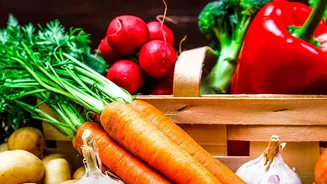
When your go-to vegetables become too expensive, it's time to explore the rest of the market. Are bell peppers priced like a luxury item? Try using carrots for sweetness and crunch, or cabbage for bulk in stir-fries and noodles. If tomatoes are making your eyes water for the wrong reasons, use tomato paste which is often more stable in price, or rely on the tang of yoghurt or tamarind in your curries. Don’t overlook local and seasonal gourds like lauki (bottle gourd) or pumpkin. They are often cheaper, absorb flavours beautifully, and can be used in everything from dals to dry sabzis, providing a healthy and economical alternative to more fashionable vegetables. Shopping seasonally is your best defence against price shocks.
Reimagining Proteins and Dals
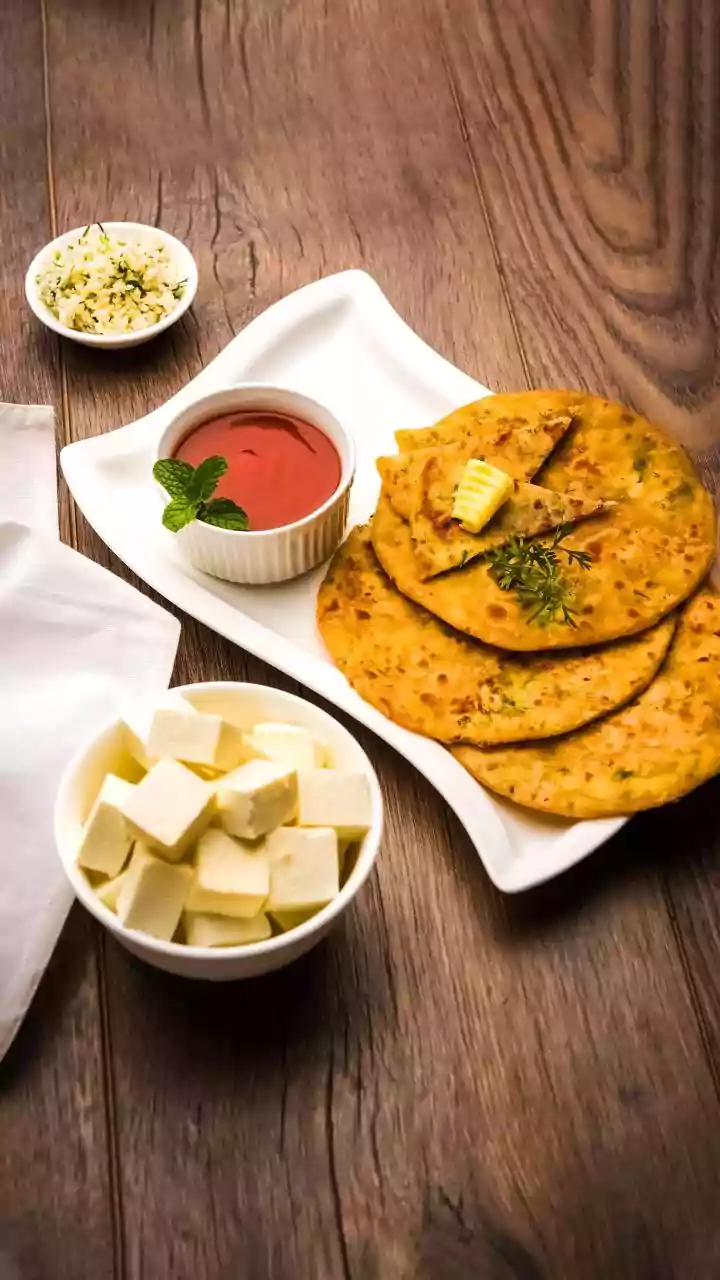
Protein is often the most expensive part of a meal, but it doesn't have to be. If a specific dal is costly, switch to a more affordable one like masoor or green moong dal, which cook quickly and are versatile. You can also stretch more expensive ingredients. Mix vegetables like grated carrots or lauki into your keema masala to add volume and nutrition while using less meat. In gravies that call for paneer, consider using firm tofu, which soaks up masalas just as well. Even humble chickpeas can be a star, providing a hearty and protein-packed base for curries that might otherwise use more expensive ingredients. It’s all about making your protein work harder for you.
The Power of the Masala Dabba
Your spice box is your greatest ally in budget cooking. When you master flavour, you can make even the simplest ingredients sing. Learning the art of 'tadka' or tempering spices in hot oil can elevate a basic dal or sabzi into something special. Instead of using a dozen different spices, focus on a few key ones. A good quality garam masala or a Kitchen King masala can often do the heavy lifting. Using flavour enhancers like kasuri methi (dried fenugreek leaves) towards the end of cooking adds a professional touch and immense flavour, allowing you to be more frugal with other ingredients. Don't underestimate the power of fresh ginger, garlic, and green chillies to build a strong flavour base for almost any dish.