



A Torrent of Unprecedented Fury
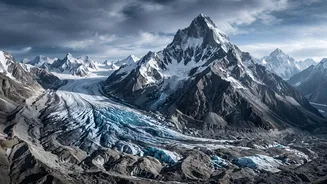
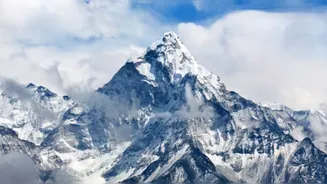
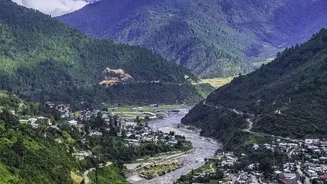
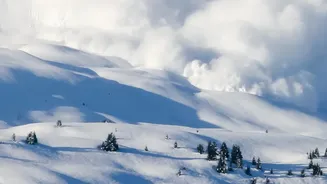
On the morning of August 26, 2026, a torrent of water, mud, rock, and ice tore through communities along the Trishuli River, originating near the Nepal-China border. Preliminary investigations point to a massive ice-rock avalanche from a glacier high
in the mountains. This collapse was so powerful it registered as a magnitude 5.2 seismic event. The ensuing flash flood destroyed settlements, roads, bridges, and hydropower projects, with water levels in some downstream areas rising by as much as nine metres in just 30 minutes. Hundreds were killed, thousands went missing, and the disaster highlighted the immense vulnerability of communities living in the shadow of the world's tallest mountains.
A Landscape Built for Collapse
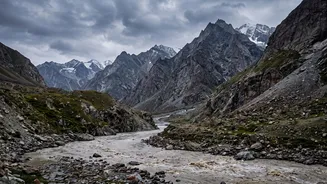
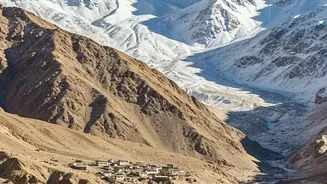
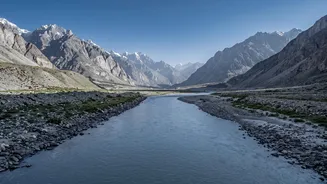
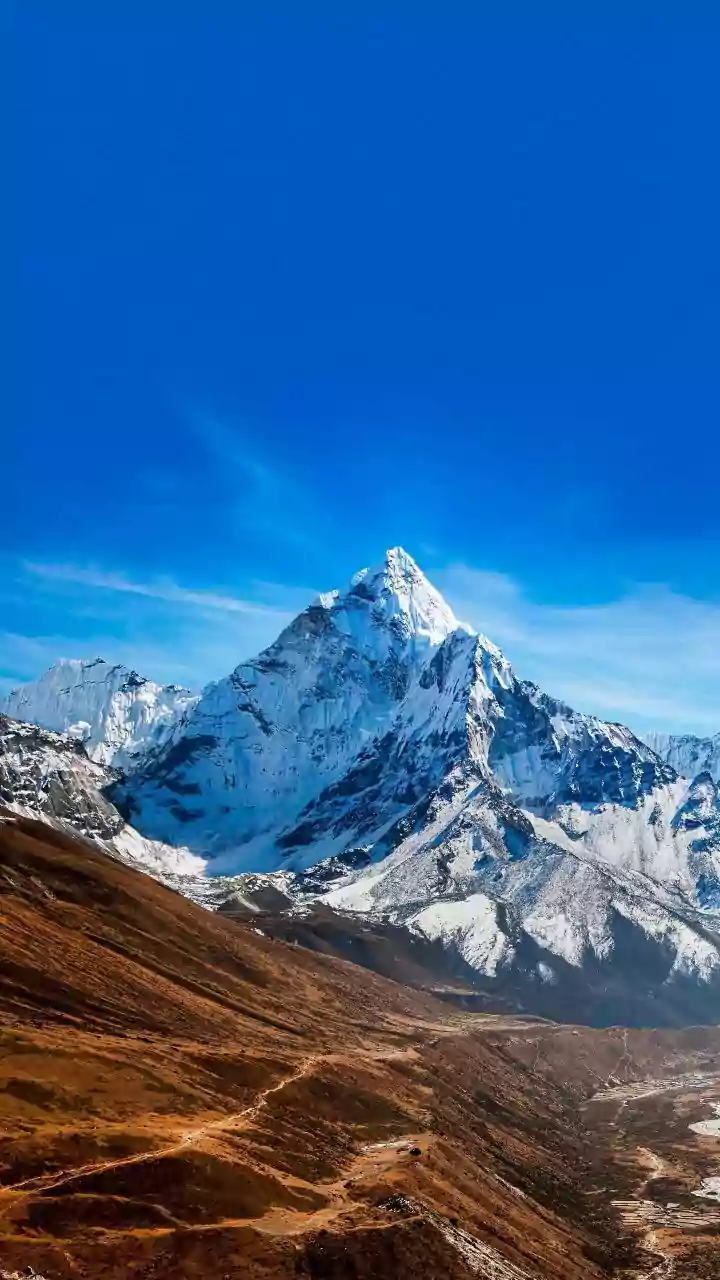
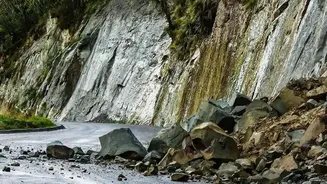
The Himalayas are, geologically speaking, young and restless. Formed by the ongoing collision between the Indian and Eurasian tectonic plates, the entire region is seismically active and inherently unstable. This process creates incredibly steep slopes and fractured rock, making landslides a common feature of the landscape. When heavy monsoon rains saturate the ground, the structural integrity of a mountainside weakens, making it prone to collapse. The steep terrain also amplifies the destructive power of any event; a river in a narrow valley doesn't just flood, it becomes a high-velocity channel for debris, carrying huge boulders and sediment that add to its destructive force.
The Climate Change Accelerant
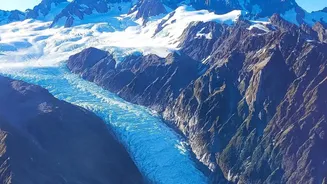
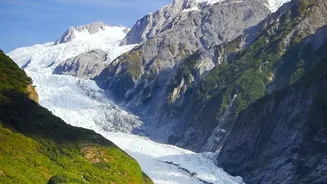
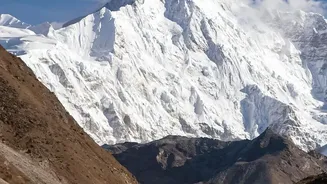
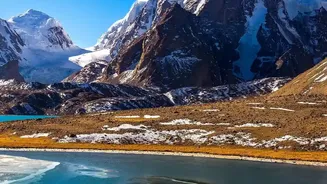
On top of this geological fragility, climate change is acting as a powerful accelerant. The Hindu Kush Himalaya region is warming considerably faster than the global average. This has two critical effects. First, it is causing glaciers to melt at an unprecedented rate. This retreat leaves behind unstable debris and exposes rock faces that were once supported by ice, making them more vulnerable to collapse. Second, it leads to the formation and expansion of glacial lakes—vast bodies of meltwater held back by natural dams of rock and debris. As these lakes swell, the risk of a Glacial Lake Outburst Flood (GLOF), where the natural dam fails, increases dramatically. These events release a sudden, deadly burst of water, and have become a growing threat across the region.
The Domino Effect of Disaster
The true danger in the Himalayas lies in how these factors create a devastating chain reaction, or a 'cascading hazard'. An event rarely stays isolated. An ice-rock avalanche, potentially destabilised by warming permafrost, can crash into a river. This can temporarily block the river, forming a dam. When the immense pressure of the backed-up water inevitably breaks through this makeshift dam, it unleashes a far greater and more sudden flood wave than the initial event alone would have caused. This wave picks up loose glacial debris, soil, and boulders as it travels, transforming into a thick, fast-moving slurry that obliterates everything in its path. This terrifying domino effect explains how a single collapse high in the remote mountains can escalate into a catastrophic flood in populated valleys dozens of kilometres downstream in a matter of minutes.