




The Historic Soul: Singapore Botanic Gardens
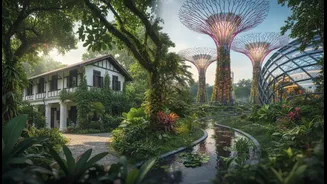
Long before the futuristic supertrees pierced the skyline, the Singapore Botanic Gardens laid the groundwork for the nation's "City in a Garden" vision. Established in 1859, this sprawling 82-hectare oasis is not just a park; it's a living museum and
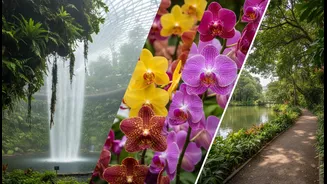
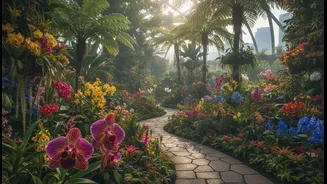
Singapore's first UNESCO World Heritage Site. Strolling through its grounds feels like a journey back in time, with heritage trees, elegant colonial-era structures like the Burkill Hall, and the iconic Bandstand gazebo. While much of the garden is free to enter, the National Orchid Garden is its crown jewel, showcasing over 1,000 species and 2,000 hybrids in a dazzling display. This garden reveals Singapore’s deep-rooted history, its colonial past, and its enduring commitment to conservation and botanical research, long before it became a global metropolis. It’s a place where locals have jogged at dawn for generations and where the nation’s story is told through timeless greenery.
The Futuristic Vision: Gardens by the Bay
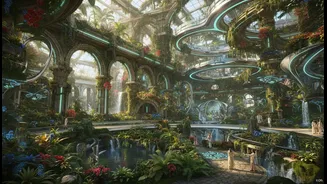
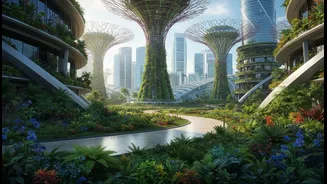
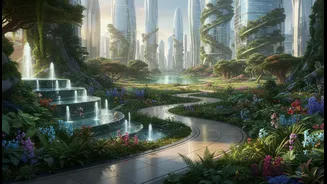
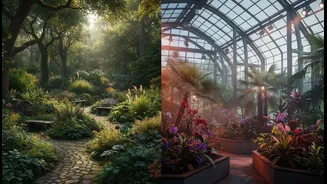
While instantly recognizable, Gardens by the Bay offers more than just the iconic Supertree Grove. It represents Singapore’s bold, forward-thinking identity. The real magic lies within the two massive cooled conservatories: the Flower Dome and the Cloud Forest. The Flower Dome, the world's largest glass greenhouse, transports you to the cool-dry climates of the Mediterranean and semi-arid regions, showcasing ancient olive trees and bizarre baobabs. The Cloud Forest, on the other hand, is a misty wonderland featuring a stunning 35-metre-tall indoor waterfall and a mountain clad in lush vegetation from tropical highlands. These structures are marvels of sustainable engineering, embodying Singapore's drive for innovation and its response to climate change. Exploring them reveals a city constantly looking to the future, blending nature, art, and technology in ways that feel both surreal and inspiring.
The Community Heartbeat: Jurong Lake Gardens
If you want to see how Singaporeans live and play, head west to Jurong Lake Gardens. As the nation's largest heartland park, this 90-hectare space is designed for the community. It’s a far cry from the tourist-centric downtown, offering a glimpse into the everyday lives of residents. Here, you'll find families picnicking on the vast lawns, children laughing in the nature-inspired Forest Ramble playground, and teenagers practicing tricks at the skatepark. A key feature is the Rasau Walk, a distinctive meandering boardwalk that takes you across the water and through a restored freshwater swamp habitat. The recently revamped Chinese and Japanese Gardens add a touch of cultural heritage and tranquility to the space. This park reveals the social fabric of Singapore—a place built not just for show, but for the well-being and recreation of its people.
The Wild Frontier: Sungei Buloh Wetland Reserve
Singapore’s reputation as a meticulously planned city makes the untamed wilderness of Sungei Buloh Wetland Reserve all the more surprising. This is Singapore’s wild side, raw and unfiltered. As a globally important stopover for migratory birds on the East Asian-Australasian Flyway, the reserve is a haven for birdwatchers, especially between August and April. Trails and boardwalks lead you through dense mangrove forests, where you can get close to the unique ecosystem without getting your feet muddy. But it's not just about birds. Look closely and you'll spot monitor lizards, otters, mudskippers, and even estuarine crocodiles basking on the banks. Sungei Buloh reveals a crucial aspect of the nation’s character: a profound understanding that even in a hyper-modern state, there must be space for wild nature to thrive. It’s a powerful statement of biodiversity in one of the world's densest urban environments.