

An Unspoken National Ritual
It’s a scene that plays out from bustling city apartments to quiet village homes. As the smell of wet earth fills the air, a collective thought surfaces. It is less a decision and more a primal instinct. The question hangs in the air, a gentle invitation:
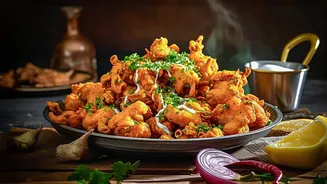
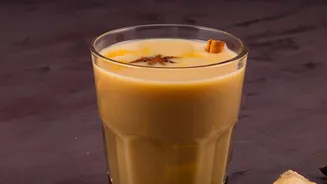
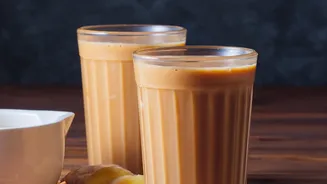
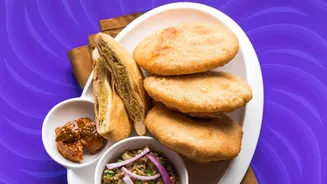
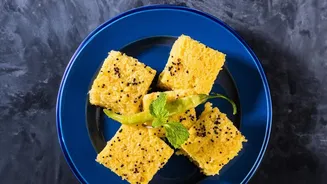
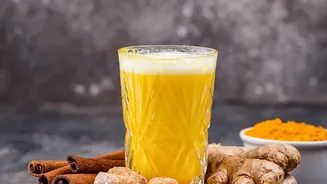
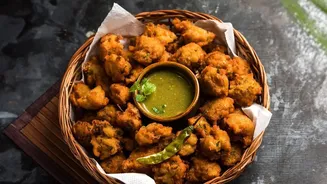
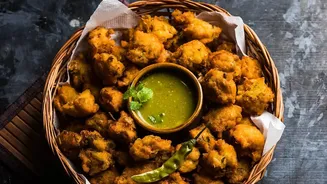
“Should we make some chai and pakoras?”. This isn't just about a snack; it's a cultural reflex, a ritual deeply woven into the fabric of the Indian monsoon. While every region has its own rainy-day specialty—be it Mumbai’s batata vada or Gujarat's methi na gota—the pairing of assorted pakoras with adrak chai holds a near-universal appeal. It’s a combination that transcends regional differences, a shared language of comfort understood by all.
A Symphony for the Senses
The magic of this combination lies in its powerful sensory contrast to the weather outside. The monsoon brings a cool dampness, a grey visual palette, and a certain slowness to the day. In response, the kitchen offers a vibrant counterpoint. There is the sizzle and crackle of batter hitting hot oil, an energetic sound against the soft drumming of rain. There's the visual delight of golden-brown fritters, crispy and imperfect, emerging from the wok. The aroma of frying besan, onions, and spices, mingled with the sharp, warm scent of freshly grated ginger brewing in the tea, creates an atmosphere of pure comfort. And then there’s the feeling: the warmth of the teacup in your hands and the satisfying crunch of a hot pakora, a perfect shield against the damp chill.
More Than Just a Craving
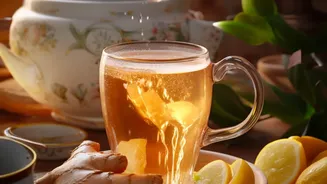
There is a science to this seasonal craving. The drop in temperature and sunlight during monsoon can affect our mood, sometimes leading to a dip in serotonin levels. Our bodies instinctively seek out warm, energy-dense foods to compensate. Hot, fried snacks provide a quick caloric boost and trigger a dopamine response, offering an immediate sense of pleasure and well-being. The ginger in the chai is not just for flavour; it's a traditional remedy known for its warming properties, aiding digestion and helping to boost immunity, which is especially welcome when seasonal illnesses are common. The spicy heat from green chillies in the pakoras or the gingerol in the tea creates a feeling of internal warmth, making the pairing feel both indulgent and medicinal.
A Taste of Memory and Togetherness
Beyond the sensory appeal and physiological comfort, the combination of chai and pakoras is steeped in nostalgia. For many, the taste is inextricably linked to memories of childhood, of seeking refuge from a downpour while a parent or grandparent prepared these treats. It evokes the feeling of family gathered together, sharing stories while the rain poured outside, fighting playfully over the last crispy piece on the plate. These snacks are not just food; they are emotional anchors, transporting us back to simpler times. In a world of complex meal plans and a constant push towards healthier alternatives, the unapologetic simplicity of making and sharing pakoras fosters connection. It is a communal pleasure, an excuse to pause, gather, and enjoy the moment.
Why This Simple Pleasure Endures
In an era of global café chains, food delivery apps, and an endless array of convenient frozen snacks, the humble, homemade pakora paired with chai remains steadfast. Its endurance lies in its authenticity. It’s not a marketed trend; it’s a tradition passed down through generations. The process itself is part of the charm—the quick preparation, the use of basic pantry staples like gram flour, onions, and potatoes, and the immediate gratification. This ritual represents a return to basics, a reminder that the most profound comforts are often the simplest. It is a small act of rebellion against the curated perfection of modern food culture, a celebration of a tradition that is messy, communal, and deeply satisfying. It’s a peg that deserves to remain visible, reminding us that some of the best things in life are a simple plate of fritters enjoyed while watching the rain.