




The Big Batch Dilemma
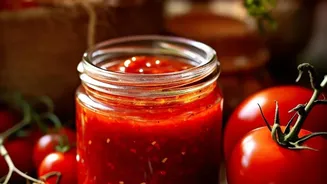
There's a romantic image associated with a full day of canning: steaming pots, rows of gleaming jars, and a pantry stocked for winter. While rewarding, this process is laborious and carries significant food safety responsibilities. When you're dealing
with dozens of jars, it's easier for mistakes to creep in. A moment of distraction can lead to improper processing, a failed seal, or incorrect measurements—small errors that can have big consequences. Furthermore, a massive batch of sauce means you have to use it all, leading to potential waste if your family gets tired of pasta night. Small-batch cooking sidesteps this pressure, transforming a daunting chore into a manageable and enjoyable activity. You can process what you need for a few weeks or a month, ensuring you use it while it's at its best.
Why Smaller is Safer: The Science
The primary safety concern with any home-canned food, especially tomato sauce, is Clostridium botulinum. This bacterium, found in soil, can produce a deadly neurotoxin in low-oxygen, low-acid environments—like an improperly sealed jar. While the risk is rare, it's serious. The key to preventing its growth is maintaining a high acid level (a pH of 4.6 or lower). Making sauce in smaller batches makes it easier to control this critical factor. It's simpler to ensure even heating, which helps kill microorganisms, and to guarantee that every single jar is acidified correctly. With a huge pot, inconsistencies in heat and mixing can occur. A smaller quantity reduces the margin for error, making the entire process less stressful and inherently safer.
The Golden Rule: Acidify Your Tomatoes
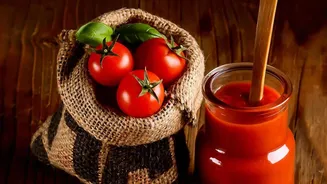
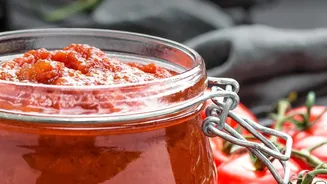
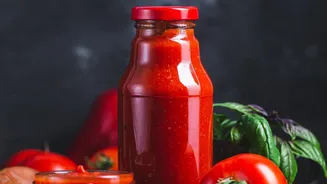
Modern tomatoes, including many heirloom varieties, are not always acidic enough on their own to be safely canned in a water bath. Their pH can vary depending on the variety, soil, and ripeness. To guarantee a safe pH level below 4.6, you must add acid. This is a non-negotiable step. According to the National Center for Home Food Preservation, you should add the acid directly to your jars before filling them with sauce. This ensures accurate distribution. Use bottled lemon juice, not fresh, as its acidity level is standardized. The standard measurements are one tablespoon of bottled lemon juice or ¼ teaspoon of citric acid per pint jar, and double that for a quart jar.
Simple Small-Batch Freezer Sauce
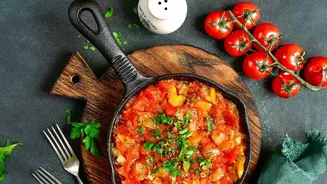
For the ultimate in safety and simplicity, freezing your sauce is an excellent alternative to canning. It requires no special equipment and completely eliminates the risk of botulism. This recipe yields about six cups, perfect for a few family meals. Ingredients: - 2 kg ripe tomatoes, cored and roughly chopped - 1 large onion, chopped - 4 cloves garlic, minced - 2 tablespoons olive oil - 1 teaspoon salt - 1 teaspoon dried oregano or Italian seasoning - A handful of fresh basil leaves, torn Instructions: 1. In a large pot or Dutch oven, heat the olive oil over medium heat. Add the onion and cook until softened, about 5-7 minutes. Stir in the garlic and cook for another minute until fragrant. 2. Add the chopped tomatoes, salt, and dried herbs to the pot. Bring the mixture to a simmer, then reduce the heat to low, cover, and let it cook for at least an hour, or until the tomatoes have broken down completely and the sauce has thickened. 3. If you prefer a smooth sauce, use an immersion blender to puree it directly in the pot. For a chunkier sauce, a potato masher works well. 4. Stir in the fresh basil at the end. Taste and adjust seasoning if needed. 5. Let the sauce cool completely before portioning it into freezer-safe bags or containers. Lay bags flat for easy storage. The sauce will keep in the freezer for 3 to 6 months.
Storage and Usage
If you freeze your sauce, it’s ready to use whenever you need it. Just thaw it in the refrigerator overnight or gently reheat it in a saucepan. For those who choose to do water-bath canning, even in small batches, the safety rules remain the same. Process pint jars for the recommended time (usually 35 minutes, but check trusted sources for your specific recipe and altitude). Once canned, store jars in a cool, dark place and aim to use them within a year for the best quality. Before ever using home-canned food, inspect the jar. Check for a tight seal, and look for any signs of spoilage like bulging lids, leaks, mold, or an off smell. If anything seems suspicious, discard the contents without tasting.