


Why Cook with Less Oil?
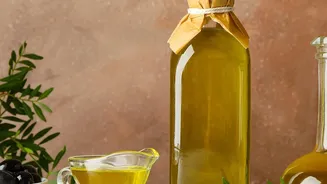
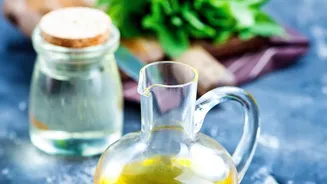
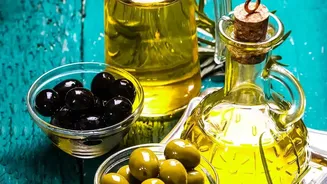
Reducing your oil intake is one of the simplest yet most effective changes for better health. Cooking oils are high in calories, and using less can aid in weight management. A diet lower in certain fats is also beneficial for heart health, as it can help
manage cholesterol levels. Lighter cooking methods often lead to improved digestion and can even help your body retain more of the valuable vitamins and minerals present in your food, which can sometimes be lost when overcooked in excessive oil. It’s not about eliminating oil entirely, but about using it mindfully to let the natural flavours of your ingredients shine through.
The Gentle Power of Steaming
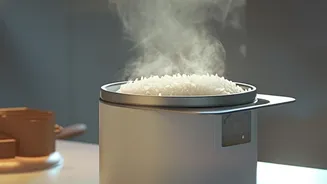
Steaming is a culinary technique that cooks food using the moist heat from boiling water. Unlike boiling, the food doesn't touch the water, but is instead suspended above it in a basket or on a rack. This gentle method has remarkable benefits. Steaming is excellent at preserving the nutrients in your food, especially water-soluble vitamins like B and C, which can leach into the water during boiling. It also helps maintain the food's natural texture, colour, and flavour, resulting in vegetables that are crisp and vibrant rather than mushy and dull. For meats and fish, steaming can help remove excess fat and cook them without drying them out, making for a succulent and healthy meal.
Getting Started with Steaming
You don’t need fancy equipment to start steaming. A simple collapsible metal steamer basket can fit inside most pots you already own. Alternatively, you can use a heat-proof colander placed in a large pot with a tight-fitting lid. Even a bamboo steamer, traditionally used for dumplings, is perfect for vegetables and fish. To start, fill a pot with about an inch of water, ensuring the water level is below the bottom of your steamer basket. Bring the water to a boil, add your chopped ingredients to the basket, cover the pot, and let the steam do its work. Tender vegetables like broccoli cook in just a few minutes, while harder ones like carrots and potatoes take a bit longer.
Smart Swaps and Other Low-Oil Heroes
Beyond steaming, several other cooking methods can help you reduce oil. Investing in good non-stick cookware is a game-changer, allowing you to sauté and stir-fry with minimal to no oil. A clever technique is to use water or broth instead of oil for sautéing; add a few tablespoons to the hot pan to prevent sticking and add flavour. Air frying is another popular option that uses circulating hot air to achieve a crispy, fried-like texture with up to 80% less fat. This method is great for everything from vegetables to lean proteins. Other methods like baking, grilling, and roasting on a rack also allow fat to drip away from the food, resulting in a lighter final dish.
Putting It Into Practice
Incorporating these habits doesn't require a complete overhaul of your diet. Start small. Instead of deep-frying snacks, try air-frying or baking them. When making a stir-fry, use a splash of water or broth when your vegetables start to stick instead of adding more oil. Measure your oil with a spoon rather than pouring it directly from the bottle to control the amount you use. Pre-cooking denser vegetables like carrots or broccoli by lightly steaming them can reduce the overall cooking time and the amount of oil needed in a stir-fry. By making these small, consistent adjustments, you can build healthier cooking habits that last a lifetime.