









The Gut-Brain Superhighway
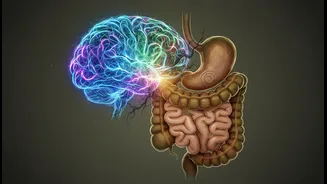
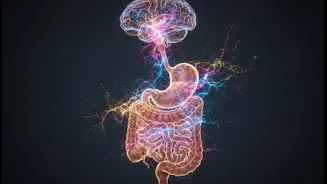
There's a reason your gut is often called your 'second brain'. It's connected to your actual brain through a complex network known as the gut-brain axis. This bidirectional communication system involves the vagus nerve, a massive pathway that transmits
signals in both directions. This means your emotions can affect your digestion, and conversely, the state of your gut can significantly influence your mood. Think about the butterflies you feel when nervous or the stomach ache that comes with stress; that's the gut-brain axis in action. This connection is so profound that researchers now see it as a key player in our overall mental health.
Your Gut: The Serotonin Factory
When you think of mood regulation, you probably think of brain chemistry. But here’s a surprising fact: around 90% of your body’s serotonin, the famous 'feel-good' neurotransmitter, is produced in your gut. While the serotonin made in your gut doesn't cross directly into your brain, it plays a massive role in regulating digestion and sending signals that influence your overall sense of well-being. The trillions of bacteria living in your gut, known as the microbiome, are essential for stimulating the cells that produce this serotonin. An unhealthy or imbalanced microbiome can lead to lower serotonin production, which can impact everything from your mood to your sleep quality.
When Things Slow Down: Constipation and Mood
Constipation is uncomfortable and frustrating, but its effects can be more than just physical. Studies have shown a strong link between chronic constipation and mood disorders like depression and anxiety. When you're constipated, your body can feel sluggish, and this can be mirrored in your mental state, leading to feelings of lethargy and low mood. Some researchers believe this link is partly due to the discomfort and reduced quality of life associated with the condition. Others point to the role of gut serotonin in regulating bowel movements; low levels can contribute to both constipation and depressive feelings. This creates a frustrating cycle where a low mood can worsen constipation, and constipation can further dampen your mood.
When Things Speed Up: Diarrhoea and Anxiety
On the flip side, many people experience diarrhoea during times of high stress or anxiety. This is a classic example of the 'fight-or-flight' response. When your brain perceives a threat, it sends urgent signals to the gut that can speed up digestion, leading to cramping and loose stools. The relationship is a two-way street. Not only can anxiety trigger diarrhoea, but an inflamed or imbalanced gut can send signals to the brain that increase feelings of anxiety and stress. If you find that stressful situations consistently lead to an urgent need for the bathroom, it’s a clear sign of your gut-brain axis reacting to your emotional state.
What to Look For and How to Help
Paying attention to your toilet habits isn't about becoming obsessive; it's about gathering information. Notice your regularity, stool consistency, and any discomfort. Are you consistently more constipated when you feel low? Do anxious periods coincide with digestive upset? These patterns are valuable clues. To support a healthier gut and, by extension, a better mood, focus on the basics. Increase your intake of fibre-rich foods like whole grains, fruits, and vegetables, which feed beneficial gut bacteria. Stay hydrated, as water is crucial for healthy digestion. Incorporate probiotic foods like yogurt and kefir, and prebiotic foods like garlic and onions, to help balance your gut microbiome. Finally, managing stress through techniques like mindfulness or exercise can calm both your mind and your gut.