








The Heart of Sawan Fasting
The month of Sawan, or Shravan, is one of the most auspicious periods in the Hindu calendar, dedicated to the worship of Lord Shiva. Fasting, especially on Mondays (Sawan Somwar), is a cornerstone of this observance. The core purpose is not just to abstain
from food but to practice self-discipline, purify the body and mind, and deepen one's spiritual connection. It commemorates the Samudra Manthan, when Lord Shiva consumed poison to save the world, and devotees believe that prayers offered during this month are especially powerful. The fast is seen as an act of gratitude and devotion, a way to seek blessings for health, prosperity, and a happy family life.
The Universal Dos and Don'ts
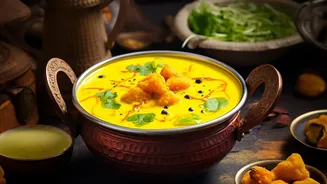
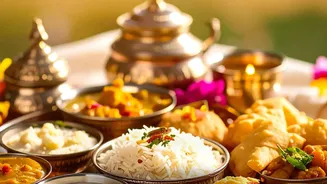
Despite the many variations, a set of core principles applies to most Sawan fasts. The primary rule is to adopt a 'sattvik' or pure vegetarian diet. This universally means abstaining from non-vegetarian food (meat, fish, eggs), alcohol, and tobacco. Onions and garlic are also strictly avoided as they are considered 'tamasic,' meaning they are believed to create heaviness and dull the mind. Regular table salt is swapped for sendha namak (rock salt), which is considered purer as it is unprocessed. Most common grains like wheat and rice, along with all lentils and pulses, are also typically excluded from fasting meals.
A Regional Flavour to Fasting
This is where the beautiful diversity of India comes into play. The rules for Sawan fasting can differ significantly from one region to another. In North India, the month is marked by grand observances like the Kanwar Yatra. Fasting foods often include preparations made from kuttu (buckwheat), singhara (water chestnut), and rajgira (amaranth) flours. In contrast, celebrations in South India are often quieter and more home-centric, with an emphasis on fruits and coconut-based preparations. Even the start date of Sawan can differ by about 15 days, as North Indian states often follow the Purnimant calendar (which begins after a full moon), while many southern and western states use the Amant calendar (which begins after a new moon).
The Importance of Family Tradition
Beyond regional norms, family customs, or 'kul parampara,' play a huge role. What one family does is often passed down through generations and is considered the correct way for them. Any significant family puja or ceremony is often incomplete without first invoking the Kuldevta or Kuldevi, the family's ancestral guardian deity. This tradition dictates the specifics of the fast: some families may observe a strict 'nirjala' fast without food or water, while others may have one meal after sunset. Some might eat only fruits ('phalahar'), while others prepare elaborate fasting meals. Clarifying the rules with elders in the family is often the best way to follow the tradition correctly and meaningfully.
Personal Practice in a Modern World
Tradition in Hinduism is not static; it allows for adaptation. In today's fast-paced world, it's understood that not everyone can follow the strictest rules. For working professionals, modifications like partial fasting, consuming fruits and milk during the day, and having a light sattvik meal in the evening are common. The key is intention, or 'bhav'. People with health conditions, who are pregnant, or have demanding jobs are encouraged to adapt the fast to their capacity. The scriptures and traditions emphasize that sincere devotion is more important than rigid, difficult austerities. You can choose to fast in a way that is sustainable and meaningful for you, without comparing your practice to others.