







Reimagining a Breakfast Staple
The dosa is a beloved staple across India, celebrated for its crispy texture and comforting taste. While the traditional rice and urad dal batter is a classic for a reason, there's always room for innovation. Adding spinach (palak) not only imparts a beautiful
green hue but also packs in essential nutrients like iron. This modern take elevates the humble dosa from a simple breakfast to a well-rounded, visually appealing meal that's perfect for the whole family, especially for children who might be hesitant to eat their greens.
The Power of Greens and Grains
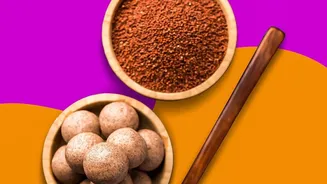
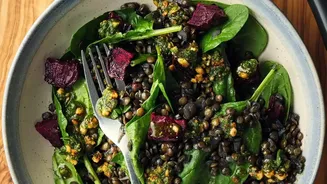
Spinach is the star ingredient, providing a vibrant colour and a significant nutritional boost. It’s a great source of vitamins and iron. To retain its bright green colour, it's best to blanch the fresh spinach leaves before pureeing them. The addition of millets—such as foxtail, barnyard, or ragi—transforms the dosa's nutritional profile. Millets are naturally gluten-free, high in fibre, and rich in essential minerals like magnesium and phosphorus. They also have a lower glycemic index compared to white rice, which helps in managing blood sugar levels and keeps you feeling full for longer.
Lentils: The Secret to Texture and Protein
Lentils, or dals, are fundamental to any good dosa batter, but using a mix can add new dimensions of flavour and texture. While urad dal is traditional for fermentation and softness, adding other lentils like moong dal (green gram) or chana dal (Bengal gram) contributes to a crispier finish and a higher protein content. This makes the spinach dosa a fantastic plant-based source of protein, essential for muscle health and sustained energy. Soaking the lentils for at least four to six hours is crucial for easier digestion and better nutrient absorption.
Crafting the Perfect Batter
The key to a great dosa lies in the batter. For this recipe, you'll need to soak your chosen millets, rice, and a mix of lentils for about six to eight hours. Once soaked, drain and grind them into a smooth, fine paste, adding a little water as needed. In a separate step, blanch a generous bunch of fresh spinach, let it cool, and blend it into a smooth puree. Combine the ground batter with the spinach puree, add salt, and mix it well. For the best results, allow the batter to ferment in a warm place for 8 to 12 hours. This fermentation process creates the light, airy texture and slightly tangy flavour that defines a perfect dosa.
Cooking for a Crispy Finish
Once your vibrant green batter is fermented and ready, it's time to cook. Heat a non-stick or cast-iron tawa over medium-high heat. A properly heated pan is essential for a crispy, non-stick dosa. Pour a ladleful of batter onto the centre and spread it in a circular motion to form a thin crepe. Drizzle a little oil or ghee around the edges and cook until the bottom turns golden brown and the edges start to lift. Unlike thicker pancakes, a well-made thin dosa cooks quickly and often doesn't need to be flipped. Fold it over and serve immediately for the best texture.
Serving and Variations
This spinach, lentil, and millet dosa is flavourful enough to be enjoyed on its own, but it pairs beautifully with traditional accompaniments like coconut chutney, tomato chutney, or a hearty sambar. For an extra layer of flavour and nutrients, you can add finely chopped onions, green chillies, ginger, or cumin seeds to the batter before cooking. You could also use the dosa as a wrap, filled with grated paneer or spiced potatoes for a more substantial meal. Feel free to experiment with different millets or even add other pureed vegetables like beetroot or carrot for a variety of colours and flavours.