






A Symphony of Simulations
Long before astronauts suit up on launch day, their lives are dominated by simulations. The journey for a mission like Crew-13 begins with a candidate training program that covers everything from basic science and engineering to survival skills. Once
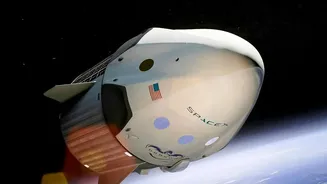
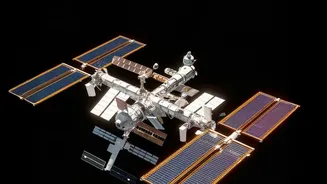
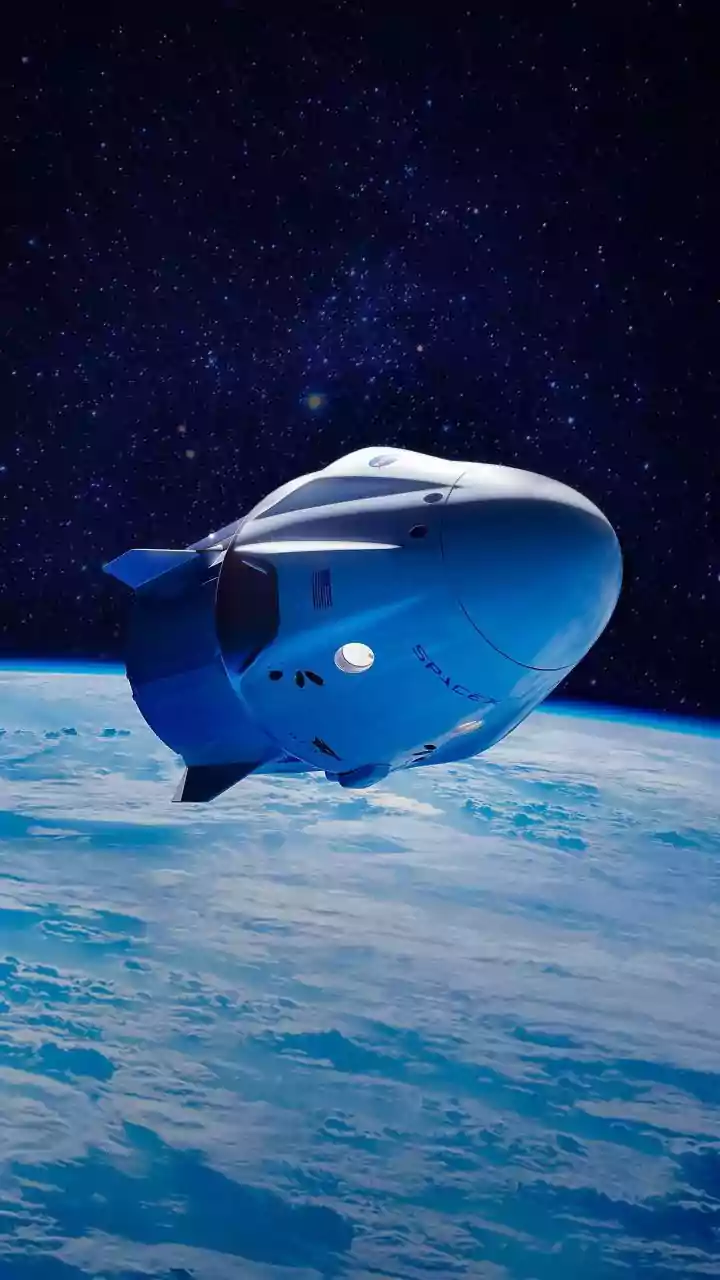
assigned to a mission, the crew spends hundreds of hours in high-fidelity simulators. These are not simple computer games; they are full-scale replicas of the SpaceX Dragon spacecraft's cockpit, designed to mimic the exact look, feel, and sounds of an actual mission. Astronauts practice every phase of the flight, from launch and docking with the International Space Station to undocking and re-entry. These simulators can inject any number of malfunctions, training the crew to recognize problems with vehicle systems and execute corrective actions instinctively. The goal is to build muscle memory, ensuring that in a real crisis, their response is automatic and precise.
The Ultimate Dress Rehearsal
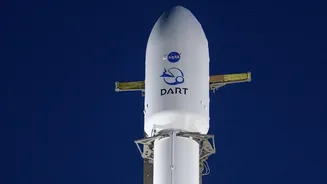
As launch day approaches, training culminates in a critical event known as the dress rehearsal. There are two main types: a 'dry' rehearsal and a 'wet' dress rehearsal. The dry dress rehearsal is a full run-through of launch day procedures for the crew and ground teams. The astronauts don their flight suits, ride to the launch pad, and are strapped into their seats inside the actual spacecraft. Teams practice every step right up to the final moments of the countdown. A 'wet' dress rehearsal takes this a step further, as engineers load the rocket with its super-cold cryogenic propellants. While the astronauts are not typically inside for this phase, it's a vital test of the rocket's hardware and the ground team's ability to manage the complex and hazardous fueling process under real-world conditions. These rehearsals are designed to identify any technical issues in a controlled environment before the crew is on board for the real thing.
Preparing for Every Contingency
While everyone hopes for a perfect mission, a significant portion of training is dedicated to what happens when things go wrong. Astronauts undergo extensive emergency protocol training, covering scenarios like fires, cabin depressurization, or medical crises. A key part of this is practicing launch escape procedures. Modern spacecraft like the Crew Dragon have a launch abort system with powerful engines built into the capsule itself, designed to push the crew safely away from a failing rocket. Crews rehearse the decision-making process for triggering an abort and practice the procedures for a rapid exit from the launch pad. This can involve using specialized armored vehicles designed to protect them from potential hazards. Even medical procedures like CPR are adapted and practiced for the unique challenges of a zero-gravity environment.
The Human Factor: Teamwork and Trust
Beyond the technical skills, training forges a team. Astronauts assigned to a mission train together for many months, learning to work seamlessly and trust each other's judgment under extreme pressure. This includes mastering communication with mission control, a crucial link that provides support and guidance from the ground. They learn to operate as a single, coordinated unit, which is essential for both routine operations and emergency situations. Part of the pre-launch preparation also includes a quarantine period. This helps ensure the crew is healthy before their flight and reduces the risk of bringing illnesses to the astronauts already living on the International Space Station. This final period of isolation allows the crew to focus entirely on the mission ahead, mentally and physically preparing for their journey to orbit.