






The Dream: The Bullet Train Project
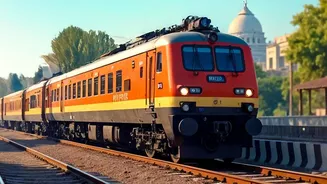
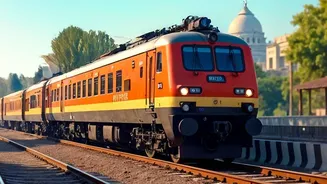
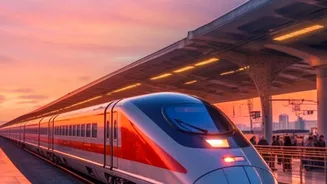
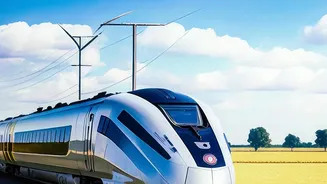
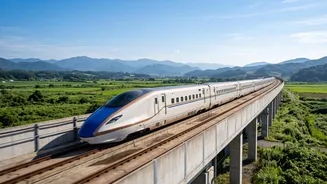
The four-hour travel time claim originates from the proposed Delhi-Varanasi High-Speed Rail (DVHSR) corridor, popularly known as the bullet train project. This ambitious plan involves building an 865-kilometre track designed for trains running at a top
speed of 350 km/h. Official estimates suggest a journey time of about 3 hours and 50 minutes, which would revolutionise travel between the national capital and the holy city. The project, managed by the National High Speed Rail Corporation Limited (NHRSCL), is one of several new corridors announced by the government to create a 'Diamond Quadrilateral' of high-speed rail networks. The route is planned to connect major hubs like Noida, Agra, Lucknow, and Prayagraj, significantly boosting regional economies.
The Reality: Still in a Planning Phase
Here's the most important thing for travellers to know: the bullet train is not operational yet. As of late 2026, the Delhi-Varanasi corridor remains in the pre-construction phase. While detailed project reports (DPRs) have been submitted and aerial LiDAR surveys completed to finalise the alignment, major construction has not begun. The process involves complex steps, including land acquisition, environmental clearances, and securing funding. Experts estimate that the project will likely not be operational until at least 2031-2033, and that is contingent on various factors aligning perfectly. So, while the four-hour journey is the ultimate goal, it remains a long-term vision rather than a short-term travel option.
The Alternative: New and Improved Expressways
While the bullet train is years away, travel by road has seen significant improvements. The most notable development is the Ganga Expressway, a 594-km, six-lane access-controlled highway connecting Meerut to Prayagraj. This expressway, inaugurated in April 2026, drastically cuts down road travel time across Uttar Pradesh. Travellers from Delhi can connect to this expressway, reducing the journey to Prayagraj to around six to eight hours from the previous 12-13 hours. Plans are also in motion to extend the Ganga Expressway to Varanasi in a second phase. Once fully complete, the road journey from Delhi to Varanasi could be reduced to around 10 hours, a major improvement, but still a far cry from the four-hour dream.
Today’s Travel Time: What to Expect Now
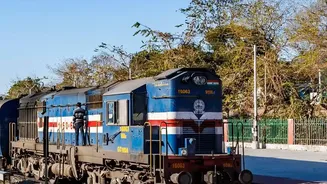
If you are planning a trip between Delhi and Varanasi today, in October 2026, you should budget for significantly more than four hours. The fastest trains currently connecting the two cities are the Vande Bharat Express services, which take approximately 8 hours to complete the journey. Other express trains can take anywhere from 11 to 14 hours. By road, even with new expressways like the Yamuna and Ganga Expressways, the journey typically takes around 12 to 13 hours, depending on traffic conditions and the exact route taken. Flying remains the quickest option, with a direct flight time of about 90 minutes, though this doesn't include airport travel and check-in times.
The Final Verification Checklist
When you see headlines about rapid travel between Delhi and Varanasi, it’s wise to ask a few key questions before getting too excited. First, verify which project is being discussed—is it the high-speed rail corridor or a new expressway? Second, check the project's official status. Look for updates from official sources like NHRSCL for the bullet train or the Uttar Pradesh Expressways Industrial Development Authority (UPEIDA) for highways. Finally, look for the operational date. A project's announcement is very different from its inauguration. For now, the four-hour trip is a future milestone to look forward to, while the current eight-hour train journey remains the fastest ground transport available.