


A Crisis of Confidence in Cotton
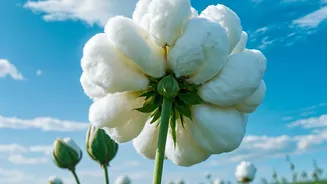
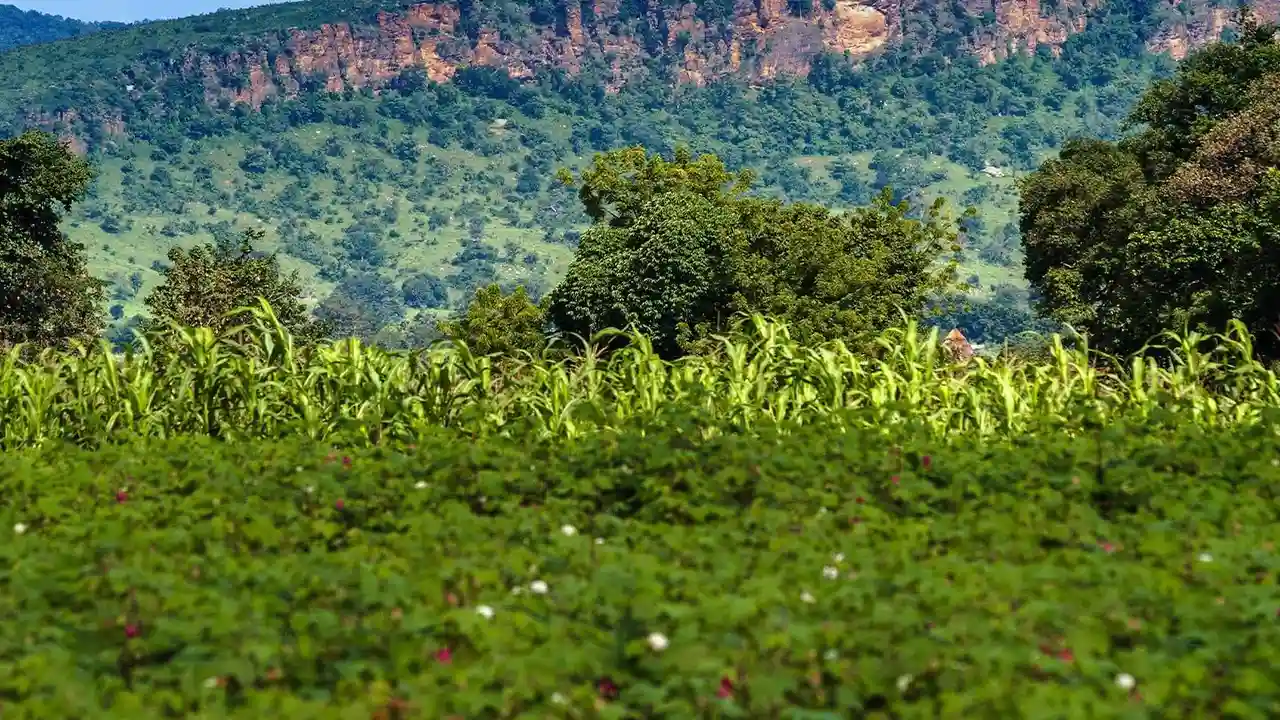
The numbers for the current Kharif season are stark. Against a target of 1.25 lakh hectares, farmers in Punjab have sown cotton on only about 70,000 to 80,000 hectares. This represents a dramatic collapse, down from 1.19 lakh hectares the previous year
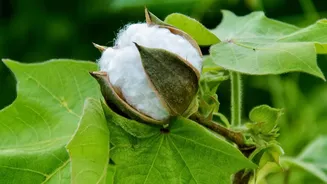
and a far cry from the 5.16 lakh hectares cultivated back in 2011-12. The primary reason for this exodus is a complete loss of faith in the crop's viability. For five consecutive seasons, farmers have faced devastating losses due to a combination of factors. Recurring pest attacks, particularly from the pink bollworm and whitefly, have ravaged yields and driven up the cost of cultivation. Adding to the misery, unseasonal rains during the 2025 harvest destroyed much of the standing crop, decimating incomes. Farmers express deep skepticism, citing the prevalence of spurious seeds and market prices that often dip below the Minimum Support Price (MSP) due to poor crop quality.
The Dangerous Default to Paddy
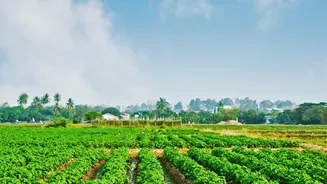
The retreat from cotton should have been an opportunity for genuine diversification into less water-intensive crops. Instead, many farmers are defaulting back to the familiar, yet environmentally damaging, wheat-paddy cycle. The logic is simple: economic security. Paddy cultivation is supported by a robust system of assured procurement at a guaranteed MSP, virtually eliminating market risk for the farmer. In contrast, proposed alternatives like maize, pulses, and oilseeds lack a similar safety net. This shift back to paddy spells trouble for Punjab's precarious environmental situation. An official from the state's agriculture department warned that the reduction in cotton area would directly increase pressure on already-depleting groundwater resources, as paddy is a notoriously thirsty crop. The state government's long-term goal of weaning farmers off paddy to conserve water is facing a major setback.
What Happened to Diversification?
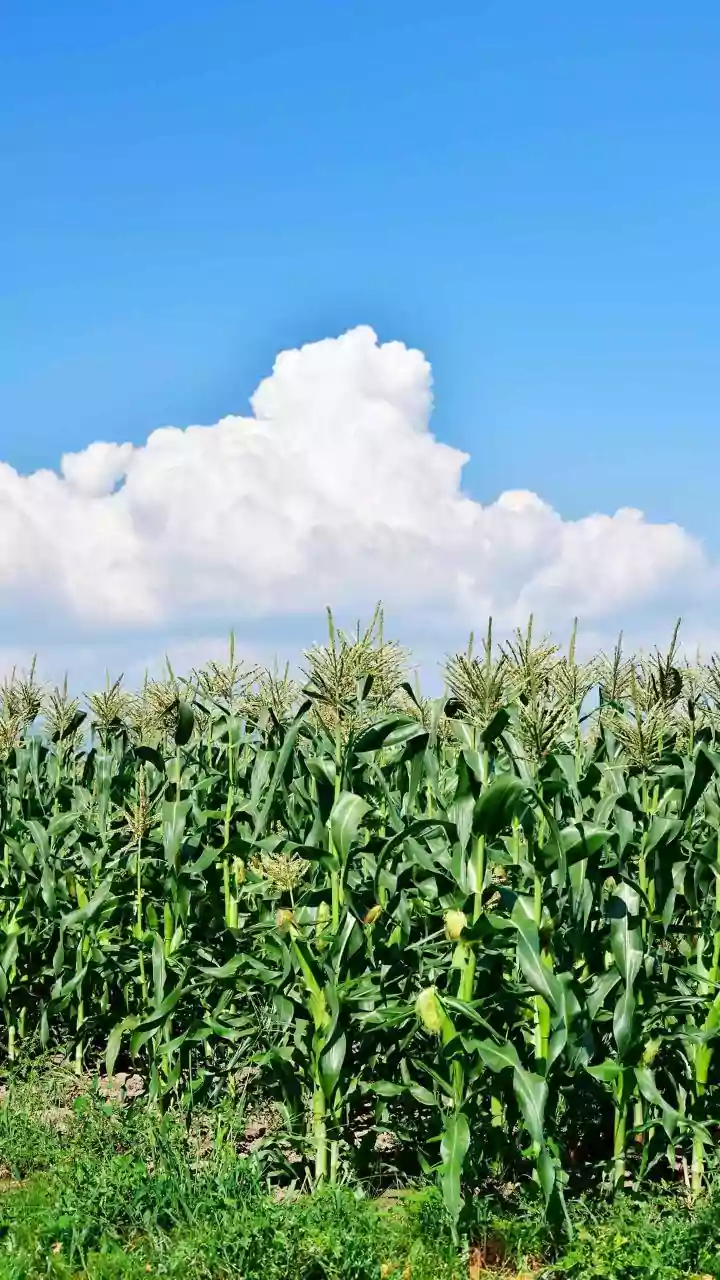
Crop diversification is not a new idea in Punjab; it has been a policy goal for years. The objective is to move farmers towards crops like maize, cotton, pulses, and oilseeds to break the monoculture of wheat and paddy, which has exhausted the soil and groundwater. The government has even rolled out initiatives to encourage this shift. For the 2026-27 season, a scheme to promote Kharif maize was expanded to 16 districts, offering farmers a financial incentive of ₹17,500 per hectare to switch from paddy. However, experts argue these incentives are simply not enough. The profitability gap between paddy—buoyed by massive subsidies on power, water, and fertilizers—and alternative crops remains vast. Without an assured procurement mechanism and a guaranteed MSP for these alternative crops, a one-time incentive is insufficient to convince farmers to take on the additional market risk.
Old Problems Demand New Solutions
The current cotton crisis serves as a powerful reminder of the systemic failures that have stalled agricultural reform in Punjab. The state's once-booming cotton industry is now a shadow of its former self, with hundreds of ginning units shutting down due to a lack of raw material. Reviving farmer confidence requires more than just advisories. It demands a multi-pronged strategy that includes the development and distribution of genuinely pest-resistant seed varieties, strict quality control to eliminate spurious inputs, and, most importantly, a stable and profitable market for alternative crops. Both the state and central governments acknowledge the need for diversification, with recent high-level meetings focusing on the issue. But for the farmer on the ground, promises must translate into a reliable income. Until growing maize or moong becomes as economically secure as growing paddy, the ecological and economic crisis gripping Punjab’s farms is set to continue.