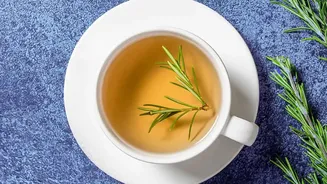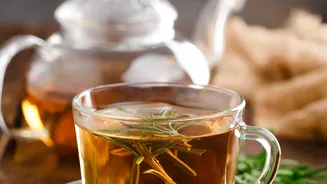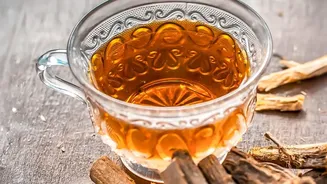






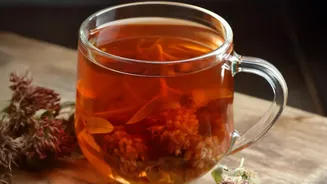
What Exactly Is Rooibos?
Before diving into its benefits, it’s worth knowing what rooibos actually is. Unlike black or green tea, which come from the Camellia sinensis plant, rooibos (pronounced 'roy-boss') is a herbal infusion, or tisane, made from the leaves of the Aspalathus
linearis shrub. This plant grows exclusively in South Africa's Cederberg mountain region. The leaves are traditionally fermented, which gives the brew its signature reddish-brown colour and a sweet, nutty taste. There is also an unfermented 'green' rooibos, which has a grassier flavour and is higher in certain antioxidants.
A Treasure Trove of Antioxidants
Much of the buzz around rooibos is due to its impressive antioxidant content. Antioxidants are compounds that help protect the body's cells from damage caused by unstable molecules called free radicals. Rooibos is packed with several, including two rare ones called aspalathin and nothofagin. These powerful compounds are believed to be behind many of the tea's potential health benefits, from fighting inflammation to protecting against chronic diseases. While more human studies are needed, the antioxidant profile of rooibos is a key reason for its growing reputation as a wellness beverage.
Soothing Your Digestive System
The headline didn't lie; rooibos has long been used traditionally to calm tummy troubles. It's thought to have antispasmodic properties, which means it may help relax muscles in the gut, easing stomach cramps and discomfort. The tea's flavonoids can also have a soothing, anti-inflammatory effect on the digestive tract. For those who experience bloating or indigestion, a warm cup of rooibos about half an hour before a meal might offer some gentle relief.
A Boost for Skin Health
Rooibos is increasingly found in skincare products, and for good reason. Its antioxidant and anti-inflammatory properties can be beneficial for skin, both when consumed as a tea and when applied topically. These antioxidants help protect the skin from environmental stressors that contribute to signs of ageing. Furthermore, rooibos contains alpha hydroxy acids and zinc, nutrients that are important for maintaining healthy skin. Some evidence suggests its antimicrobial properties may help with acne, while its soothing nature could calm conditions like eczema.
Supporting a Healthy Heart
Emerging research suggests that rooibos tea could be a heart-friendly beverage. Some studies indicate it may positively impact blood pressure by acting as a natural ACE inhibitor, which helps relax blood vessels. There is also evidence that regularly drinking rooibos could help improve cholesterol levels, with one clinical trial showing a decrease in 'bad' LDL cholesterol and a rise in 'good' HDL cholesterol among participants. These effects are largely attributed to the tea's powerful antioxidants.
Naturally Caffeine-Free and Low in Tannins
One of the most straightforward benefits of rooibos is what it doesn't have. It is naturally, completely free of caffeine, making it a great choice for any time of day, especially before bed. Unlike black and green teas that must undergo a decaffeination process, rooibos never has any caffeine to begin with. It is also low in tannins, which are natural compounds that can sometimes interfere with the body's absorption of iron. This makes rooibos a gentle, hydrating beverage for almost everyone.