




Pilates: The Art of Control and Precision
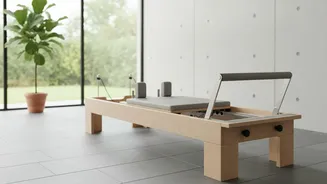
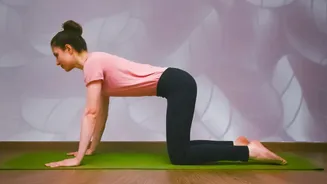
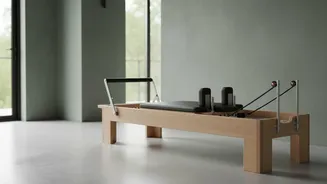
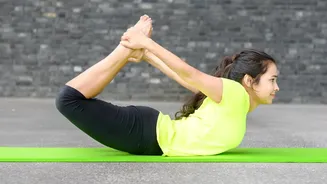
Pilates is a low-impact form of exercise that emphasizes controlled movements, proper breathing, and deep core engagement. Developed by Joseph Pilates for rehabilitation, its primary goal is to build foundational strength, particularly in the deep muscles
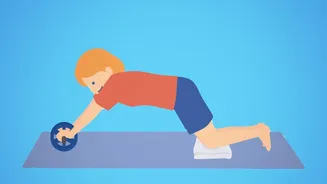
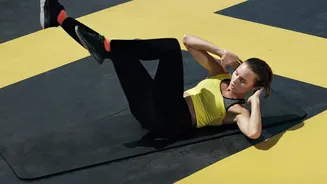
that support the spine and pelvis. Think of your core as a corset; Pilates is designed to tighten it from the inside out. It focuses on the transverse abdominis, the deepest layer of your abdominal muscles, as well as the pelvic floor and the small muscles stabilising your back. The movements are often slow and deliberate, forcing you to maintain stability and control rather than relying on momentum. This makes it excellent for improving posture, enhancing balance, and building the kind of core strength that supports all other physical activities and can help prevent back pain.
Circuit Routines: The Power of Speed and Intensity
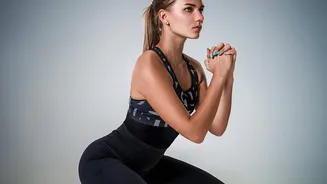
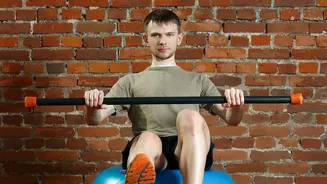
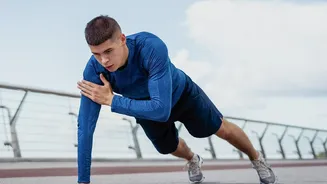
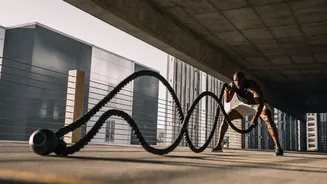
Fast circuit routines, often incorporating elements of High-Intensity Interval Training (HIIT), are on the opposite end of the spectrum. This style involves performing a series of different exercises in quick succession with minimal rest in between. These workouts combine strength and cardiovascular training, which elevates your heart rate and helps burn a significant number of calories in a short amount of time. When it comes to the core, circuit training often involves dynamic, compound movements like burpees, mountain climbers, or squat jumps that engage the entire midsection. This approach is less about isolating deep stabilising muscles and more about challenging the larger, more superficial muscles like the rectus abdominis (the 'six-pack' muscle) and the obliques under high-intensity conditions. The result is often improved muscular endurance and a reduction in overall body fat, which is crucial for revealing a defined midsection.
Strength vs. Definition: What's Your Goal?
The 'better' method truly depends on what you mean by 'sculpted'. If your goal is to build deep, functional strength that creates stability and improves posture, Pilates has a clear advantage. It trains the core to act as a stabiliser, which is its primary function in daily life. However, if your main goal is to achieve visible abs, a fast circuit routine might be more effective. The high-intensity nature of circuit training is excellent for burning the layer of fat that covers the abdominal muscles, while the dynamic exercises help build the superficial muscles, making them more prominent. It's important to remember that visible abs are a product of both well-developed abdominal muscles and a low body fat percentage.
Injury Risk and Accessibility
Another key difference is the level of impact and associated injury risk. Pilates is low-impact by nature, meaning it's gentle on the joints. This makes it a fantastic option for beginners, older adults, people recovering from injury, or anyone with joint issues. Fast circuit routines are typically high-impact, involving jumping and other explosive movements. While this is great for building bone density and cardiovascular fitness, it also carries a higher risk of injury, particularly if proper form is not maintained. For those new to exercise, jumping straight into a high-intensity circuit could lead to strain if the foundational core strength isn't already there.
The Verdict: Which Should You Choose?
So, which path should you take? Choose Pilates if your primary goals are to improve posture, alleviate back pain, build deep foundational strength, and create a strong, stable centre. It is ideal for those who prefer a mindful, controlled workout or are looking for a low-impact option. Choose a fast circuit routine if your goals include significant fat loss, improved cardiovascular health, and developing more visible abdominal muscles. This style is suited for those who enjoy high-energy, fast-paced workouts and have a solid fitness base without joint or back issues. Ultimately, the best approach might be a combination of both. Using Pilates to build your deep core stability will create a stronger foundation, making you more resilient and effective during your high-intensity circuit workouts.