




The First, Most Crucial Step: Cool It Down
Before you even think about containers, your number one priority is to cool the sauce completely. Putting hot or even warm sauce directly into the freezer is a recipe for disaster. It can raise the ambient temperature of your freezer, partially thawing
nearby items and increasing the risk of bacterial growth. More pressingly for your sauce, it creates ice crystals that lead to the dreaded freezer burn, which degrades the texture and flavour. For food safety, sauce should cool to room temperature within about two hours. To speed this up, you can transfer the sauce to a shallow container to increase the surface area or place your container in an ice water bath, stirring occasionally. Once it reaches room temperature, a final chill in the refrigerator is a great last step before freezing.
Choose Your Freezing Container Wisely
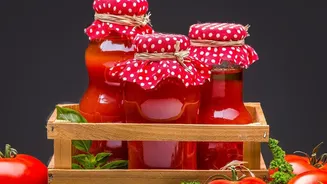
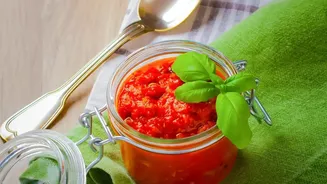
You have several good options for storing your sauce, each with its own benefits. Heavy-duty, resealable freezer bags are a popular choice. They are space-efficient, especially if you lay them flat to freeze. Once solid, you can stack the flat packets like books, saving valuable freezer real estate. Squeeze out as much air as possible before sealing to ward off freezer burn. Rigid plastic containers are another excellent, stackable option. Opt for BPA-free, freezer-safe versions with tight-fitting lids. While glass jars are an option for those avoiding plastic, they come with a higher risk of cracking. If you choose glass, you must use freezer-safe, wide-mouthed jars and leave ample headspace—at least an inch or two—to allow the sauce to expand as it freezes.
Portion Control for Your Future Self
Think about how you'll use the sauce down the road. Freezing a giant, two-litre block might seem efficient, but it becomes a hassle when you only need a small amount for a pizza or a quick lunch. It's far better to freeze the sauce in practical, meal-sized portions. Consider using a mix of container sizes: larger quart-sized bags or containers for family pasta nights and smaller pint-sized ones for single servings. For an even more versatile approach, you can freeze small amounts of sauce in ice cube trays. Once the cubes are solid, pop them out and transfer them to a larger freezer bag. This is perfect for when you just need a spoonful or two to enrich another dish.
Label Everything and Know Its Shelf Life
This step might seem fussy, but you will thank yourself later. Always label your containers with the contents and the date it was frozen. In the depths of a crowded freezer, a red, frozen block can be a mystery. Is it marinara, bolognese, or chili? A clear label removes all guesswork. Generally, a tomato-based sauce will maintain its best quality for about three to six months in a standard freezer. While it can remain safe to eat for longer, its flavour and texture may start to diminish over time. If you have a deep freezer, which maintains a more consistent temperature, your sauce may last even longer.
The Thaw: How to Bring Your Sauce Back to Life
When you're ready to enjoy a taste of summer in the middle of winter, you need to thaw your sauce correctly. The safest and most effective method is to transfer the container from the freezer to the refrigerator the night before you plan to use it. This slow, gentle thaw keeps the sauce at a safe temperature. If you're short on time, you can place the sealed freezer bag or container in a bowl of cool water, changing the water every 30 minutes until it's thawed. For a near-instant option, you can place the frozen block of sauce directly into a saucepan over low heat, adding a splash of water to prevent scorching as it melts. Regardless of the method, always bring the sauce to a simmer before serving to ensure its texture is smooth and it is heated through evenly.