


Reinvent Your Breakfast Routine
Move beyond the traditional ragi malt and start your day with a modern twist. Ragi pancakes, made fluffy with ripe banana and sweetened with jaggery, are a quick and healthy option that provide sustained energy. For a savoury start, instant ragi dosas
are a game-changer. By simply mixing ragi flour with curd, water, and finely chopped onions and chillies, you can have crispy dosas ready in under 20 minutes without any fermentation. Another creative idea is a ragi smoothie bowl; blend cooked ragi porridge with fruits like mango or berries, then top with nuts and seeds for a refreshing, nutrient-dense meal. These options transform breakfast into a delicious and energising experience.
Effortless and Wholesome Lunches
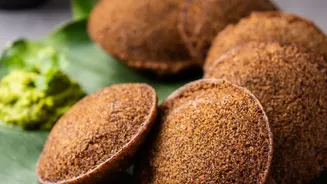
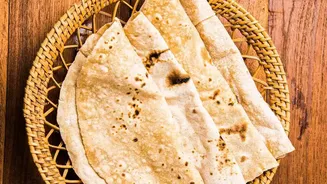
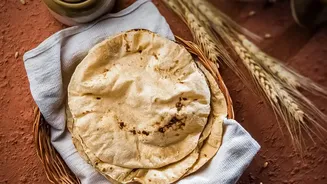
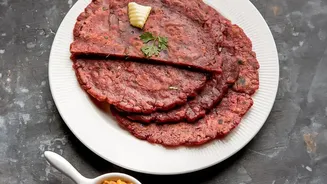
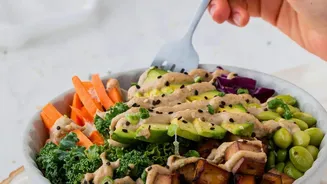
Ragi can seamlessly be integrated into your midday meals for a fibre boost that keeps you full longer. Instead of plain wheat chapatis, try making soft ragi rotis by kneading the flour with hot water. They pair perfectly with any dal or sabzi. For a complete one-dish meal, ragi upma is an excellent choice. Combining ragi flour with sooji, vegetables, and a flavourful tempering creates a satisfying and diabetic-friendly lunch. Even traditional South Indian staples can get a healthy makeover. Ragi idlis, made either instantly or through fermentation with urad dal, are soft, spongy, and a great way to incorporate this millet into your diet.
Innovative Snacks and Light Meals
Snack time is the perfect opportunity to get creative with ragi. For a crispy, savoury treat, consider ragi appe or paniyaram, which are mini steamed pancakes loaded with vegetables. You can also make crispy, deep-fried snacks like ragi nippattu, which are spiced crackers with peanuts. On the lighter side, ragi can be used to make gluten-free wraps or crepes that can be filled with either sweet or savoury ingredients. For a quick energy boost, ragi energy bites or ladoos are ideal. These no-bake snacks are typically made by mixing ragi flour with dates, nuts, jaggery, and ghee, offering a healthy and guilt-free indulgence.
Healthy and Decadent Desserts
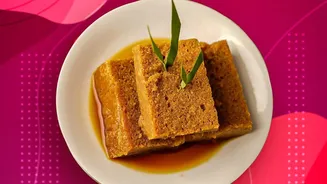
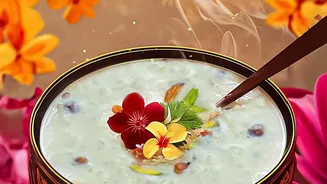
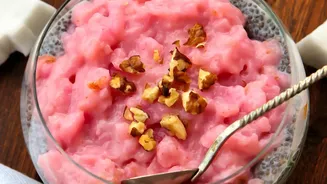
Yes, you can even make dessert healthy with ragi. Its nutty flavour profile lends itself surprisingly well to sweets. A popular and simple option is Ragi Halwa, a wholesome pudding made with ragi flour, milk, ghee, and sweetened with jaggery. For bakers, ragi is a fantastic gluten-free flour to experiment with. You can make moist and rich chocolate ragi cakes or brownies. Even classic Indian sweets like kheer and ladoo can be prepared with ragi for a nutritious upgrade. Ragi cookies, often made with a mix of ragi and whole wheat flour, are another great option for a healthier tea-time biscuit.
The Enduring Benefits of Ragi
The resurgence of ragi is rooted in its incredible health benefits. Known as finger millet, it is naturally gluten-free and has a low glycemic index, which helps in managing blood sugar levels. Its high calcium and iron content are beneficial for bone health and preventing anaemia. The rich fibre content aids in digestion and weight management by promoting a feeling of fullness. Ragi is also packed with antioxidants and essential amino acids that contribute to overall well-being. Its versatility and nutritional profile make it a true superfood that's easy to add to any diet.