

Meet PUFFINS, a New Dust-Hunter
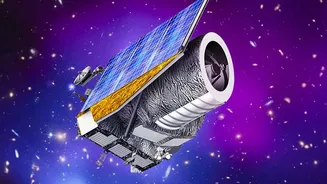
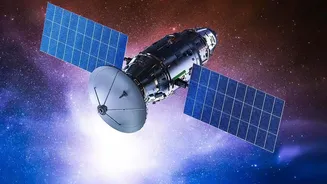
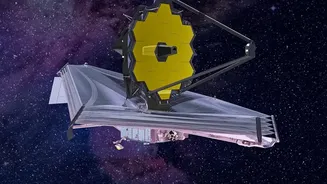
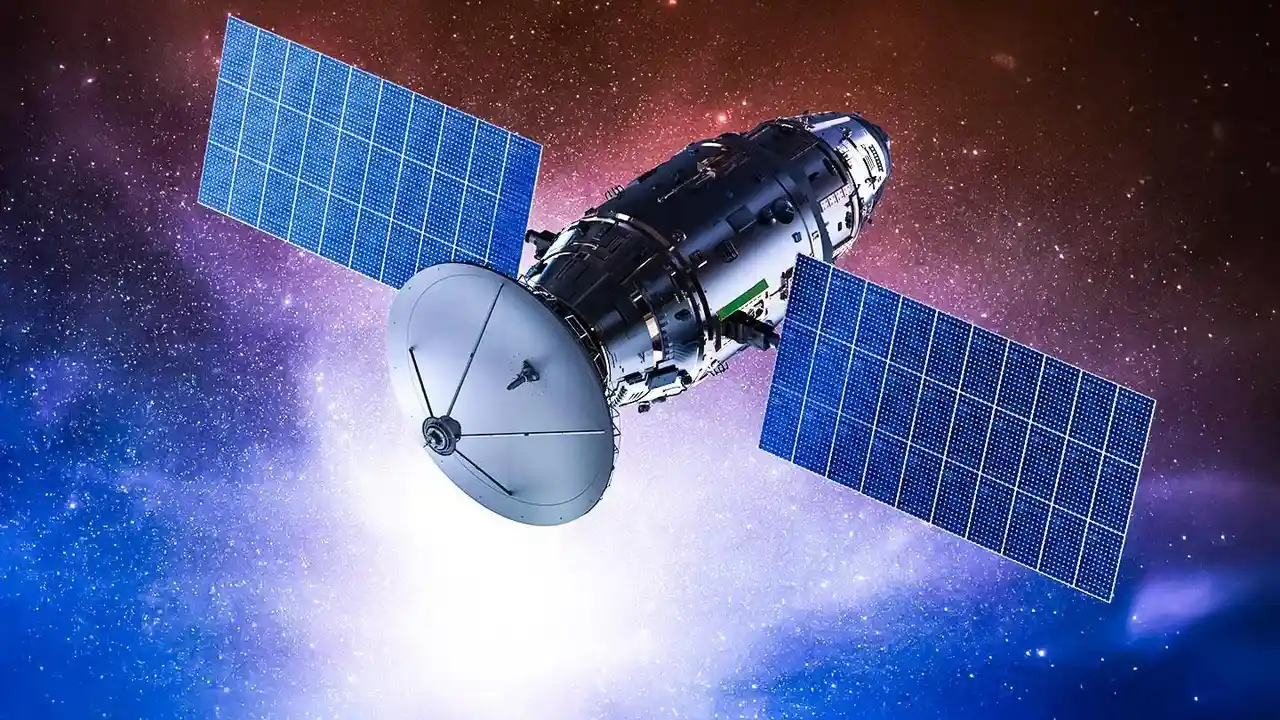
NASA is backing a new small space telescope designed specifically to decode the secrets of interstellar dust. The mission, dubbed PUFFINS, will analyze ultraviolet light from approximately 70 distant stars to see how it has been altered on its journey
to Earth. PUFFINS, which stands for Polarimetry in the Ultraviolet to Find Features in INterStellar dust, is an effort led by the University of Arizona. The mission aims to fill a long-standing gap in our knowledge by focusing on the polarization of UV light, a property that reveals crucial details about the dust particles that starlight passes through. This technique, called spectropolarimetry, will be deployed in space for the first time in decades, offering a fresh perspective on a cosmic mystery.
The Cosmic Dust Problem
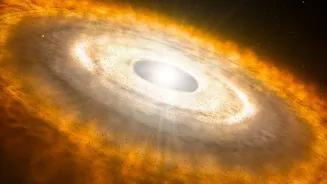
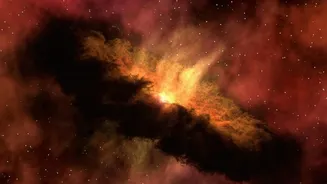
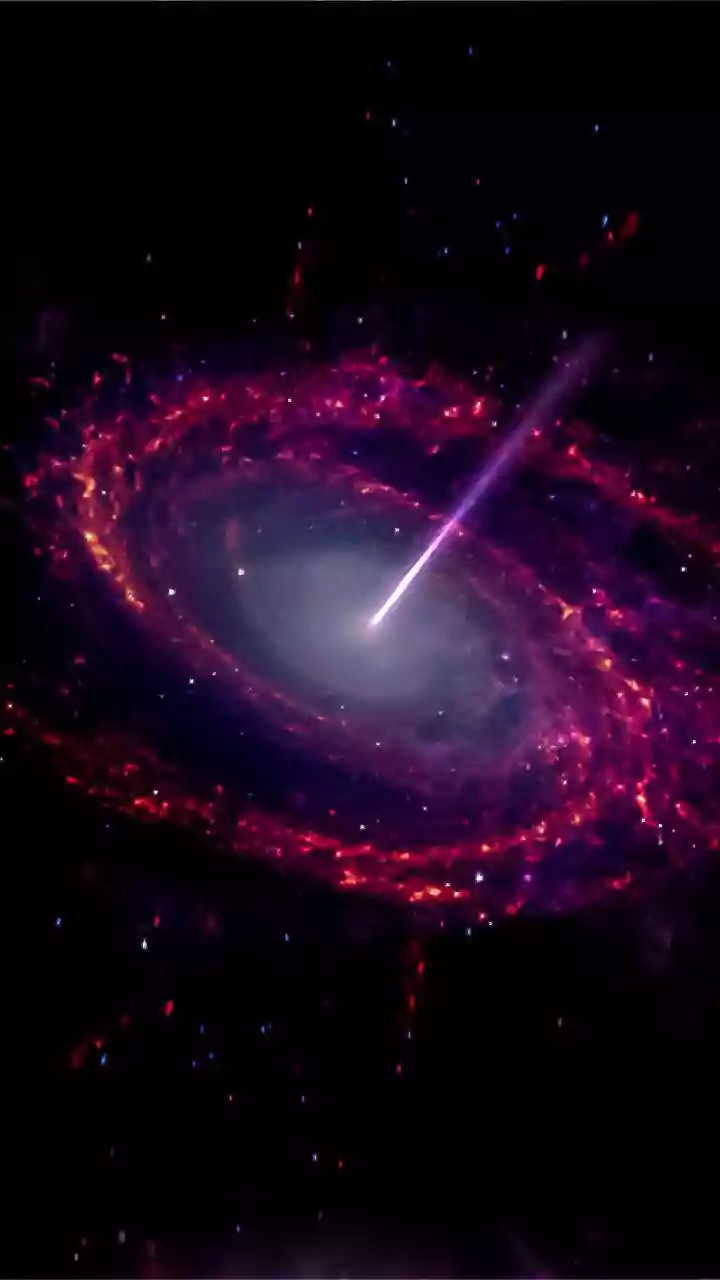
Interstellar dust isn't like the dust bunnies under your bed. It’s composed of tiny grains, often smaller than the wavelength of visible light, made of materials like silicates, carbon, and ice. This dust makes up only about 1% of the interstellar medium—the stuff between stars—but its impact is enormous. It acts like a cosmic curtain, absorbing and scattering starlight, which makes distant objects appear dimmer and redder than they actually are. This effect, known as 'interstellar extinction', complicates our measurements of the universe. However, this cosmic dust is also the raw material from which new stars and planets are born, making its study essential for understanding the lifecycle of galaxies.
Why Ultraviolet Light Is the Key
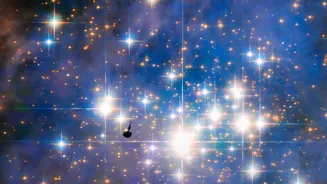
Dust grains are particularly effective at scattering shorter wavelengths of light, such as blue and ultraviolet (UV) light. This is the same reason our sky appears blue—air molecules scatter blue light from the sun more than other colors. For astronomers, this phenomenon is a powerful tool. By measuring the precise way that UV light from a star is dimmed and polarized, they can work backward to determine the size, shape, and composition of the dust grains in their line of sight. Missions that can capture high-resolution ultraviolet data, like the Hubble Space Telescope's ULLYSES program, are vital for this work. They allow scientists to create a more accurate map of the dust distributed throughout our galaxy and understand its properties.
A Targeted Study to Build a Bigger Picture
The PUFFINS mission will focus its 10-inch telescope on about 70 carefully selected stars. By observing stars at different distances and through different types of cosmic environments—from nearby star-forming nurseries to other galaxies like the Magellanic Clouds—scientists can build a detailed, 3D map of how dust properties vary across space. This targeted approach allows for a systematic study. Some stars might have a thick cloud of dust in front of them, while others have very little. Comparing the UV measurements between these stars helps isolate the specific effects of the dust. This technique of using a 'control' and 'variable' is a classic scientific method applied on a galactic scale.
Solving a 50-Year-Old Mystery
The data from PUFFINS will help astronomers tackle fundamental questions about how cosmic dust is formed, how it evolves, and how it gets incorporated into new planetary systems. For instance, some dust grains align with the Milky Way's magnetic field like tiny compass needles, and the way they polarize light can reveal information about these invisible magnetic structures. This mission, led by Bengaluru-born astronomer Dr. Ramya Anche, is scheduled for a 2030 launch and will address a decades-old puzzle concerning the role of the smallest dust particles—some the size of a virus—in building stars and planets. Small, focused missions like this are critical for filling in the details that larger telescopes might miss, providing key pieces to the grand puzzle of the cosmos.