

The Flavour Showdown: Peppery vs. Earthy
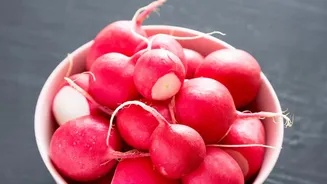
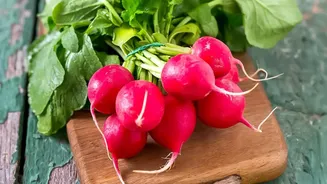
The most immediate difference between radish and beetroot is how they taste. Radishes, belonging to the mustard family, deliver a sharp, peppery bite that can range from mild to fiery depending on the variety and freshness. This crisp and zesty flavour
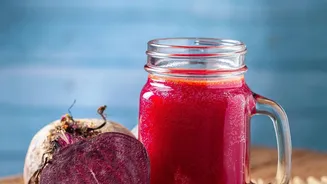
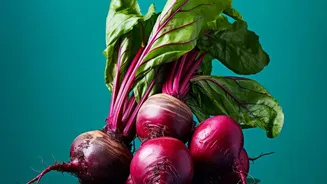
makes them a refreshing, crunchy addition to salads and sandwiches. Beetroots, on the other hand, have a distinctly earthy and sweet flavour. This sweetness is so prominent that some beet varieties are used for sugar production. Cooking mellows both vegetables. Roasting radishes softens their peppery kick, bringing out a surprising sweetness. Beetroots become even sweeter when cooked, their earthy notes deepening into a rich, complex flavour perfect for roasting, boiling, or even incorporating into desserts.
A Nutritional Deep Dive
When it comes to nutrition, both vegetables are low-calorie powerhouses, but they excel in different areas. Radishes are significantly lower in calories, carbohydrates, and sugar, making them a lighter option. Their main claim to fame is a high vitamin C content, crucial for immune support. Beetroots are richer in a wider array of vitamins and minerals. They contain significantly more folate (vitamin B9), iron, potassium, and manganese. Beets also provide more dietary fibre per serving, which aids in digestion and promotes a feeling of fullness. While radishes pack a vitamin C punch, beetroots offer a more comprehensive spread of micronutrients.
Aligning with Your Health Goals
Your choice might also depend on specific health objectives. If you're focused on cardiovascular health, beetroot is a champion. It is rich in nitrates, which the body converts to nitric oxide. This compound helps relax and dilate blood vessels, potentially lowering blood pressure and improving blood flow. The vibrant pigments in beets, called betalains, are also potent antioxidants with anti-inflammatory properties. Radishes, while also containing antioxidants, are often highlighted for their role in digestion and detoxification. Their compounds can help the liver process toxins and regulate bile production. The high fibre and water content also supports a healthy digestive system. For those on a strict low-calorie or low-carb diet, the radish is the clear winner.
Versatility in the Kitchen
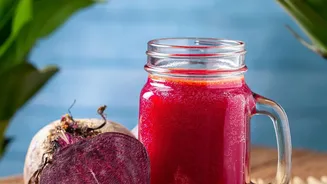
Both vegetables are incredibly versatile, shining in both raw and cooked preparations. Radishes are most commonly sliced thin and tossed into salads, tacos, or used as a crunchy topping for toast. They can also be pickled for a tangy snack or roasted to create a surprisingly mellow and delicious side dish. Don't discard the leaves, which are edible and can be sautéed or blended into pesto. Beetroots are famously roasted, which concentrates their sweetness, but they are also excellent when boiled for salads, juiced for a health-boosting drink, or even grated raw into slaws. The leaves, similar to Swiss chard, are delicious and nutritious when sautéed with garlic. Beetroot's vibrant colour can also be used as a natural food dye, and it pairs well with everything from goat cheese and nuts to citrus and herbs.
Beyond the Common Varieties
Exploring beyond the standard red radish or beetroot can open up a new world of flavours and textures. The radish family includes the long, white, and milder Daikon radish, perfect for stir-fries and pickles, and the striking Watermelon radish, with its green skin and vibrant pink interior. There are also Black radishes, which have a potent, spicy flavour. Beetroot varieties include the sweet Golden beet, which won't stain your cutting board, and the beautiful Chioggia beet, known for its red and white striped interior. Each variety brings a slightly different nuance in taste and texture, encouraging culinary experimentation.