








A Modern SUV with a Retro Soul
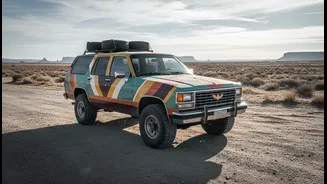
Take the Mahindra Scorpio, a rugged, body-on-frame 4x4 recently launched in markets like Australia. While thoroughly modern in its engineering, its aesthetic options lean into a distinctly old-school vibe. The availability of prominent hood and body graphics
feels like a direct nod to another time. It’s a design choice that purposefully distances the vehicle from the sleek, homogenous look that has dominated the SUV market for the last two decades. Instead of prioritizing aerodynamic perfection and seamless surfaces, these graphics add a layer of texture, personality, and analog charm. They suggest a vehicle built not just for the school run, but for adventure—a story told not through a touchscreen menu, but with proud, unapologetic decals.
The Golden Age of the Decal
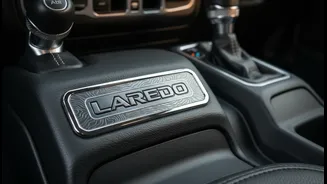
To understand the significance of these graphics, one has to look back to the 1970s, 80s, and early 90s. This was the golden age of the decal. Automakers used vinyl graphics to give their trucks and SUVs a distinct identity. Iconic models like the Jeep Cherokee Laredo, with its signature stripes and lettering, or the Ford Bronco, often adorned with bold color blocks, used these designs to communicate capability and character. These weren't just stickers; they were declarations of intent. A '4X4' decal on a rear quarter panel was a badge of honor. Tri-color stripes running down the side of a Toyota pickup suggested fun and youthful energy. In an era before every car’s performance could be looked up on a smartphone, these graphics provided an immediate visual cue about the vehicle's purpose and spirit. They were an essential part of the automotive language.
How Digital Design Smoothed Everything Out
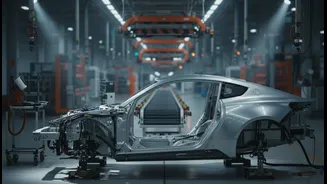
Beginning in the late 1990s and accelerating into the 2000s, SUV design underwent a dramatic transformation. The rise of computer-aided design (CAD) and a focus on wind-tunnel testing pushed aesthetics towards aerodynamic efficiency. Sharp, boxy edges were rounded off, and surfaces became smooth and clean. The industry entered an era of digital perfection, where the ideal form was one that was fluid, monolithic, and graphically silent. Decals and bold stripes were seen as dated and disruptive to these clean lines. Luxury brands entering the SUV space further cemented this trend, emphasizing understated elegance and sophistication over rugged expressiveness. The SUV became less of a tool for the outdoors and more of a high-riding luxury sedan, and its design language reflected that shift. The raw, analog personality of the past was polished away.
The Rebellion Against Digital Sameness
So why are these retro graphics making a comeback now? The answer lies in a broader cultural trend. After years of digital saturation and minimalist design dominating everything from phones to furniture, there's a growing appetite for things that feel more tangible, personal, and even imperfect. This “analog renaissance” is driving a renewed interest in vinyl records, vintage clothing, and, it seems, character-driven car design. For a generation of buyers, these graphics evoke a sense of nostalgia for the rugged, adventurous vehicles they saw in movies and on the street as kids. For others, it’s simply a way to stand out. In a parking lot filled with nearly identical silver and grey crossovers, a vehicle with a bold hood graphic has an undeniable presence. It’s a small act of rebellion against the sea of sameness.
More Than Just a Sticker
Ultimately, the re-emergence of retro graphics on vehicles like the Mahindra Scorpio is more than a superficial styling choice. It represents a subtle but significant shift in what we value in our cars. It suggests a move away from the pursuit of sterile perfection and a return to celebrating personality and heritage. These decals are a visual shorthand for authenticity and capability, a link to a time when SUVs were defined by their rugged simplicity rather than the size of their infotainment screens. They are a statement that a vehicle can be both a capable, modern machine and a fun, expressive object. In an increasingly digital world, these analog touches remind us that sometimes, the most effective way to communicate is with a simple, well-placed stripe.