





A Line We Hoped Never to Cross
The Paris Agreement, a landmark international treaty on climate change adopted in 2015, set a crucial goal: hold the increase in the global average temperature to well below 2°C above pre-industrial levels and pursue efforts to limit it to 1.5°C. This
2°C target wasn't arbitrary; it was identified by scientists as an upper limit to prevent the most catastrophic and potentially irreversible consequences of climate change. Exceeding it, even temporarily, has long been viewed as entering a danger zone. Warming beyond this level dramatically increases the risks of extreme weather, catastrophic biodiversity loss, and severe disruption to global food and water supplies. For example, scientists have warned that at 2°C of warming, up to 99% of the world's coral reefs could be lost.
The Engine Behind the Heat
So why now? A confluence of factors is pushing global temperatures into uncharted territory. The primary driver is the steady accumulation of greenhouse gases in the atmosphere from human activities. On top of this relentless background warming, we are experiencing a powerful El Niño event. El Niño is a natural climate pattern characterized by warmer-than-average sea surface temperatures in the central and eastern Pacific Ocean. It temporarily boosts global temperatures. Projections from the University of Miami's Rosenstiel School of Marine, Atmospheric, and Earth Science indicate that this combination has raised the probability of a single month in early 2027 crossing the 2°C threshold to as high as 40 percent. This forecast follows a trend of accelerating warmth; 2024 was confirmed as the warmest year on record, and for the first time, the global average temperature for a full 12-month period breached the 1.5°C mark.
A Warning, Not a Failure (Yet)
It is crucial to understand what this potential milestone does and does not mean. If a single month, or even a single year, exceeds 2°C, it does not mean the world has officially failed to meet the Paris Agreement's long-term goal. The agreement's targets refer to a sustained, long-term warming average, typically measured over a 20-year period. A short-term breach is more like a fire alarm than the fire itself. Scientists have expected these temporary exceedances to become more frequent as we get closer to the long-term limit. However, it is an undeniable and sobering signal that the Earth's climate system is moving into a new, more dangerous state. It underscores the shrinking window for action and the profound urgency of reducing global greenhouse gas emissions.
What a 2-Degree World Feels Like
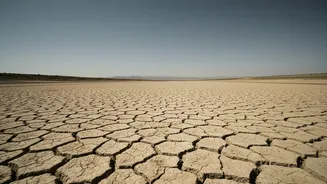
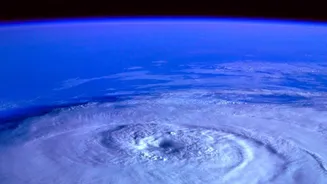
Crossing the 2°C line, even for a month, gives us a preview of a permanently warmer world. At this level of warming, the impacts become significantly more severe than at 1.5°C. According to the UN's Intergovernmental Panel on Climate Change (IPCC), the difference is stark. We can expect more frequent and intense heatwaves, posing a greater risk to human health, especially for vulnerable populations and outdoor workers. Changes in weather patterns could lead to more severe droughts in some regions and more extreme rainfall and flooding in others, threatening agriculture and infrastructure. In India, this could manifest as more erratic monsoons and intensified heatwaves, impacting everything from crop yields to public health. The risks of compound events—where multiple climate hazards occur simultaneously, like heat and drought—also increase, which can amplify wildfire danger and strain water resources.