







The Ambitious Goal: 1,000 Annual Operations
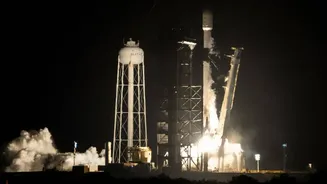
The centerpiece of the new national policy is a headline-grabbing goal: for America's space transportation ranges to support more than 1,000 launches and reentries every year by 2030. To put that into perspective, the U.S. conducted a record 204 FAA-licensed
commercial space operations in fiscal year 2025. Achieving this new target represents a fivefold increase in just a few years, aiming for an average of nearly three spaceflight events every single day. This directive, which supersedes the previous policy from 2013, reflects the dramatic acceleration in the commercial space sector and formally embeds the high-cadence launch philosophy, once championed primarily by companies like SpaceX, into official U.S. strategy.
Why Speed is More Than Just Velocity
In the context of this new policy, "speed" refers less to the velocity of rockets and more to the pace of operations on the ground. The plan calls for dramatically reducing the time it takes to approve and conduct a launch. Key objectives include expediting facility permitting, streamlining environmental reviews, and developing the capability for rapid, responsive launches that can occur within 48 hours in a crisis. This push for efficiency is a direct response to both commercial demand and national security needs. For commercial satellite operators, faster turnaround means quicker deployment and revenue generation. For the government, it means having the ability to rapidly restore or augment space capabilities during a conflict or system failure.
Scaling Up for a New Space Economy
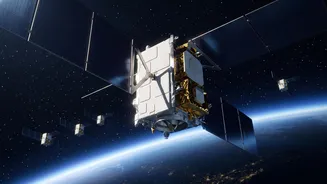
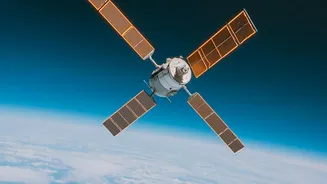
The directive to scale up is driven by the explosive growth of satellite mega-constellations and the burgeoning cislunar economy. The current infrastructure is straining to keep up with the demand created by projects like Amazon's Kuiper and SpaceX's Starlink, which require thousands of satellites to be deployed and replenished. The policy treats the government as a customer of, rather than a competitor to, the private sector, encouraging the use of commercial services to meet its needs. By promoting a vibrant and competitive industrial base, the plan aims to create economies of scale that will further drive down launch costs—a trend that has already seen a 95% reduction over the past decade—and make space more accessible for a wider range of commercial activities, from in-orbit manufacturing to Mars exploration missions.
Building the Spaceports of the Future
Achieving this desired speed and scale is impossible without a significant upgrade to ground infrastructure. The policy mandates a coordinated effort to modernize existing federal launch sites and identify locations for new ones. Federal agencies have been given tight deadlines—as little as 90 days in some cases—to identify federal lands for new reentry sites and 180 days to pinpoint locations for new launch facilities. A key part of the plan involves integrating space launch and reentry management directly into national air traffic control modernization efforts, creating designated priority airspace corridors to minimize disruption. This move signals a fundamental shift toward treating space launches not as rare, disruptive events, but as a routine part of the national transportation system.