


A Taste of Home in Orbit
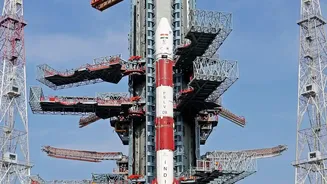
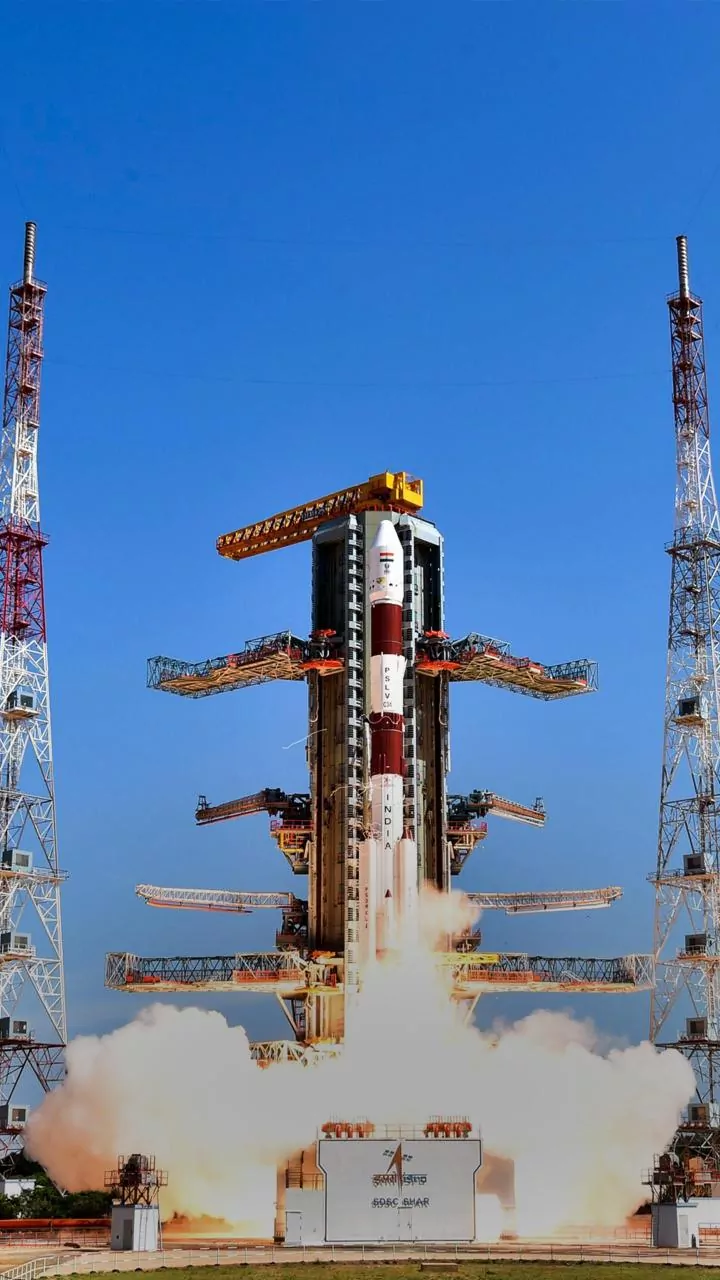
When Group Captain Shubhanshu Shukla launched as the pilot for Axiom Mission 4 (Ax-4) in June 2025, he carried the aspirations of a nation. As only the second Indian to travel to space, his mission to the International Space Station (ISS) was a landmark
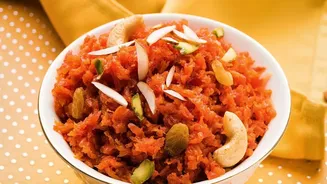
event. But beyond the complex scientific experiments, Shukla also carried something deeply personal: a curated menu of Indian delicacies. For astronauts on long-duration missions, food is more than just fuel. It's a crucial link to home, a vital tool for morale, and a way to share culture with an international crew. Shukla's selection, including favourites like moong dal and gajar ka halwa, wasn't just for personal comfort; it was a diplomatic offering, a sweet taste of India to be shared in the most exclusive dining room in the universe.
From Kitchen to Cosmos
Getting Indian food ready for space is a monumental task, far more complex than just packing a tiffin box. Scientists at India’s Defence Food Research Laboratory (DFRL), part of the Defence Research and Development Organisation (DRDO), and the Indian Space Research Organisation (ISRO) were entrusted with this unique culinary challenge. Their mission was to create dishes that could withstand the rigours of space travel—extreme G-forces during launch, long-term storage without refrigeration, and the dangers of a zero-gravity environment. The primary concern is safety; crumbs or liquids can float away and damage sensitive equipment or be accidentally inhaled by the crew. This means every dish must be specially processed to be crumb-free, sufficiently moist to cohere, and packaged to be eaten with minimal fuss.
The Science of Space Cuisine
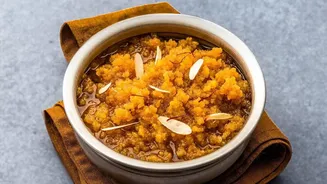
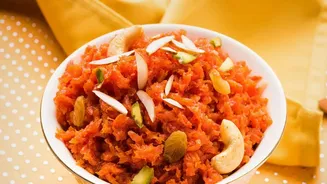
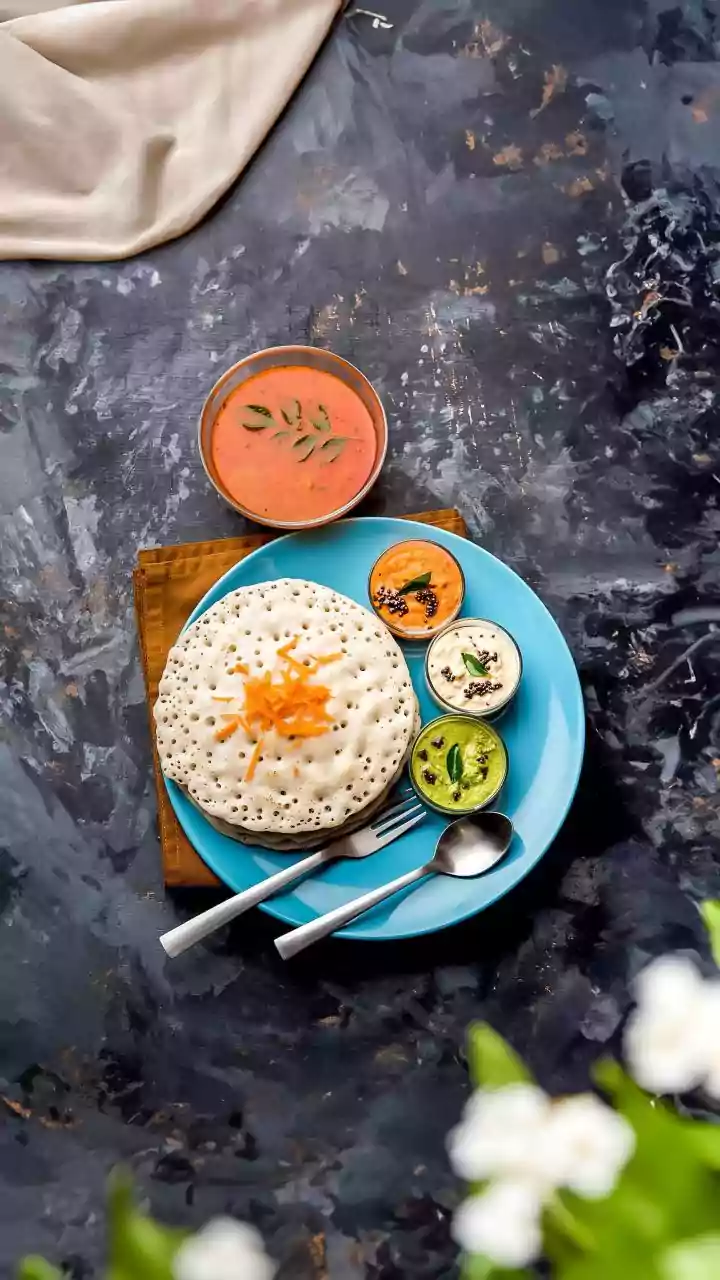
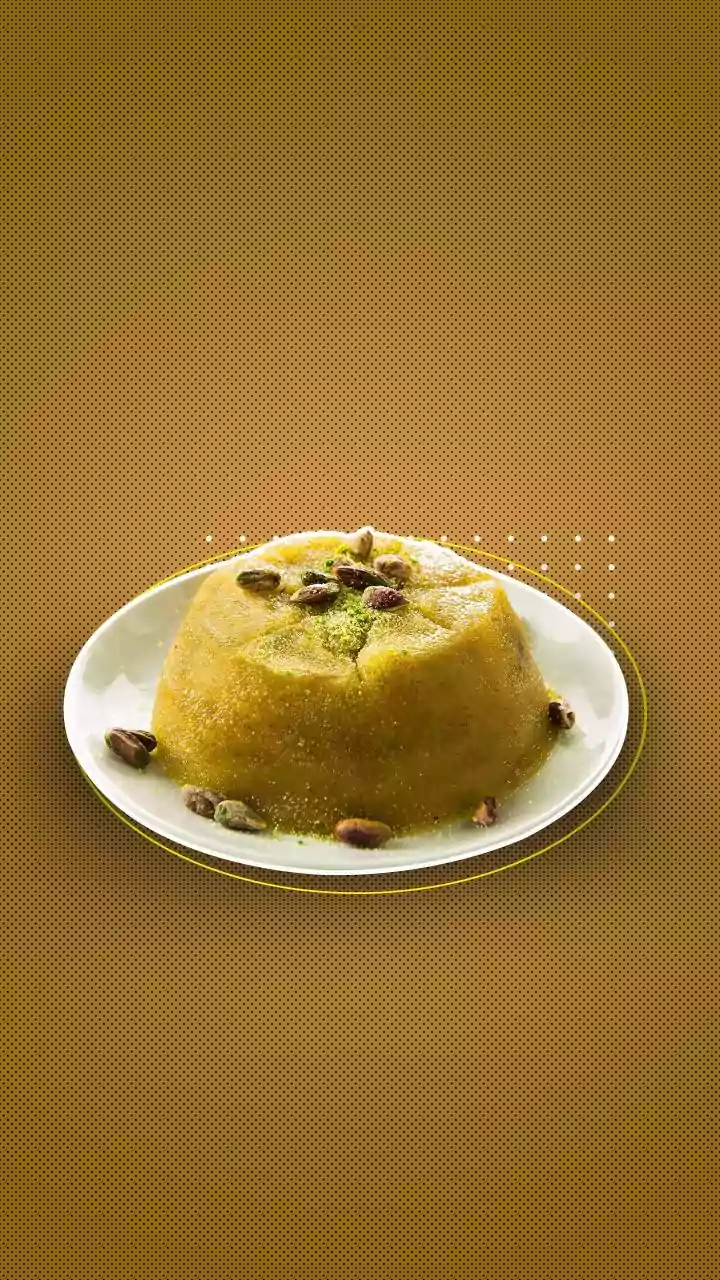
To meet these stringent requirements, scientists employed a range of advanced food technologies. Techniques like thermostabilization (heating to kill microbes), irradiation (using radiation for sterilization), and freeze-drying are standard. For dishes like idli sambar, developed for the broader Gaganyaan program, the idlis are cooked and dehydrated using infrared radiation, while the sambar and chutney are converted into powders that can be rehydrated with water in orbit. For Shukla's personal menu on Ax-4, items like gajar ka halwa and moong dal halwa were prepared in ready-to-eat, 100-gram packets that are preservative-free and sterile, with a shelf life of over a year at room temperature. This process ensures the food is not only safe and nutritious but also retains as much of its original flavour and texture as possible, a difficult but essential balance to strike.
What Was on the Menu?
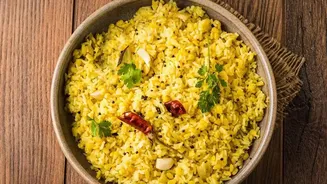
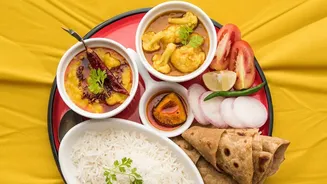
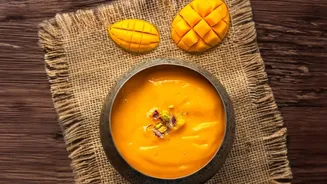
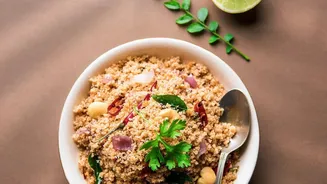
Shukla's personal allowance included sweets he hoped to share: moong dal halwa, gajar ka halwa, and aamras (mango nectar). These joined a broader menu of Indian foods developed by ISRO and DRDO for space missions, which includes vegetable biryani, rajma, khichdi, and spicy khakhra. During his 18-day mission, Shukla and his international crewmates, including Commander Peggy Whitson, shared meals that were a blend of cultures. While the official shared meals featured dishes like rehydrated shrimp cocktails and chicken fajitas, photos from the ISS showed a packet of 'Carrot Halwa' on the table, a testament to Shukla's culinary contribution. These meals served as important moments of camaraderie, where astronauts from different nations could connect over food and swap stories far from home.
More Than Just a Meal
Sending Indian food to the ISS is a powerful symbol of the nation's growing prowess in space exploration. It showcases not just the ability to send an astronaut into orbit, but also the sophisticated scientific and technological ecosystem that supports such a mission. The development of space-grade Indian cuisine by labs like DFRL is an achievement in its own right, demonstrating ingenuity in food science that has applications beyond space travel. For a global audience, it’s a form of cultural diplomacy, introducing Indian flavours to a unique international community. For audiences back home, seeing dishes like khichdi and halwa prepared for a space mission is a moment of immense pride and a relatable entry point into the complex world of human spaceflight. It bridges the gap between the extraordinary and the everyday, reminding us that even in the vastness of space, the desire for a familiar meal remains fundamentally human.