






Understanding This Common Plant Killer
Root rot is a disease that causes a plant's roots to decay. It is not caused by water alone, but by the combination of too much water and too little oxygen in the soil. This soggy, airless environment becomes a breeding ground for fungus-like organisms
that attack and destroy the roots. Without a healthy root system to absorb water and nutrients, the plant essentially begins to starve and suffocate, even while sitting in wet soil. Overwatering is the most common culprit, but poor drainage from pots without holes or compacted soil can also lead to the same fatal conditions.
Your First Clues Are In The Pot
Long before the leaves turn yellow, the soil itself sends out warning signals. One of the earliest and most overlooked signs is a distinct, unpleasant odour. Healthy soil smells earthy and fresh, but soil with decaying roots will often emit a sour, musty, or even swampy smell like rotten eggs. This foul scent is caused by anaerobic bacteria thriving in the oxygen-deprived conditions. Another key indicator is soil that remains perpetually wet. If you watered your plant days ago and the soil is still soggy to the touch rather than just slightly moist, it’s a clear sign that drainage is poor and the roots are at risk.
Performing a Gentle Root Inspection
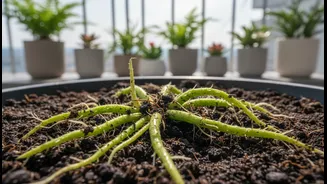
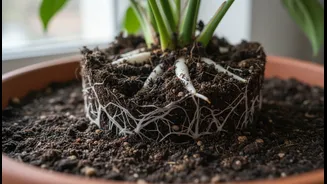
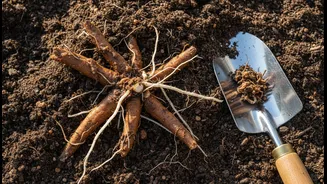
The only way to confirm root rot is by looking directly at the roots. To do this, gently slide the plant out of its pot. Don't worry about hurting it; this check is crucial. Healthy roots are typically firm and white or light tan in colour. In contrast, roots affected by rot will be brown or black, feel soft and mushy, and may even fall apart or feel slimy to the touch. In advanced cases, the outer layer of the root may easily slide off, leaving a thin, thread-like strand behind. This visual and tactile confirmation is the definitive diagnosis.
When the Leaves Finally Tell the Story
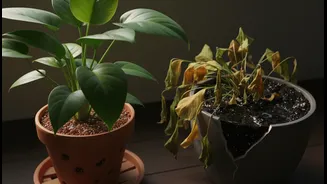
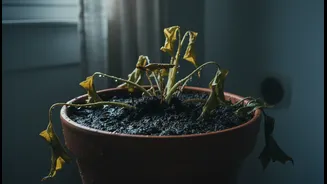
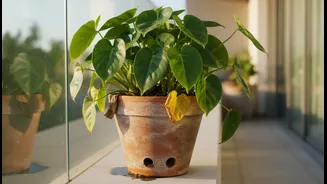
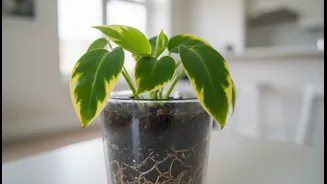
The familiar signs of distress in the leaves are actually late-stage symptoms. By the time you see them, the root system has already suffered significant damage. These signs include the lower leaves turning yellow and dropping off, wilting even when the soil is wet, and stunted or a complete lack of new growth. The plant wilts because its compromised roots can no longer absorb the water it needs, creating the confusing appearance of a thirsty plant in drenched soil. The yellowing leaves are a sign of nutrient deficiency, as the decaying roots are unable to feed the plant.
An Emergency Intervention Plan
If you've discovered root rot but there are still some healthy, white roots left, you may be able to save your plant. First, carefully remove all the old, contaminated soil and gently rinse the roots under lukewarm water. Using a pair of clean, sterilized scissors, trim away every brown, black, and mushy root until only firm, healthy tissue remains. Some experts suggest dusting the remaining roots with cinnamon, a natural antifungal, or treating them with a diluted hydrogen peroxide solution. Repot the plant in a clean pot with drainage holes, using a completely fresh, well-draining potting mix. It's crucial not to reuse the old soil, as it is contaminated with the pathogens.
Prevention Is Always the Best Medicine
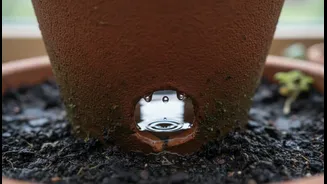
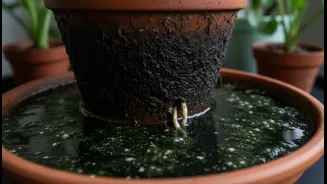
Preventing root rot is far easier than treating it. The golden rule is to avoid overwatering. Before watering, always check the soil; if the top few inches feel dry, it's time to water. Never let a plant sit in a saucer full of runoff water. Ensure every pot has drainage holes to let excess water escape. Using a well-aerated potting mix with ingredients like perlite or bark will also improve drainage and airflow to the roots, making the environment less hospitable for rot-causing fungi. Finally, repotting your plants every year or two with fresh soil can prevent compaction and keep the root environment healthy.