






What the New Research Suggests
A major new analysis has strengthened the link between ultra-processed foods (UPFs) and heart health. The meta-analysis, which pooled data from 51 different studies involving nearly 9 million adults, found that higher consumption of UPFs was associated
with a greater risk of cardiovascular events like heart attacks and strokes. Specifically, the findings indicated that for every additional 100-gram daily serving of UPFs—roughly the size of a small packet of chips or a single-serve cup of instant noodles—the risk of cardiovascular events increased by 14%. Those with the highest overall intake of these foods showed a 24% higher risk of such events compared to those who consumed the least. These findings add to a consistent and growing body of research from recent years that has also linked high UPF consumption to an increased risk of high blood pressure and other heart-related conditions.
Decoding 'Ultra-Processed' Foods
The term 'ultra-processed' can be confusing, but it generally refers to industrial food formulations that you couldn't make in your own kitchen. According to the widely used NOVA classification system, these foods typically contain five or more ingredients, including substances not commonly used in home cooking like preservatives, emulsifiers, artificial colours, and flavour enhancers. Common examples are all around us: packaged snacks like chips and biscuits, sugary drinks, instant soups and noodles, reconstituted meats like sausages and nuggets, and many ready-to-eat meals. These products are designed for convenience, a long shelf life, and hyper-palatability, meaning they are formulated to be intensely craveable. They are often high in unhealthy fats, salt, and added sugars, while being low in fibre and essential nutrients.
Why Correlation Is Not Causation
The headline itself contains a critical scientific distinction: this research is observational. In an observational study, scientists track people's existing habits—in this case, their diets—and monitor their health over time without intervening. This design can reveal powerful associations, or correlations, between a behaviour and a health outcome. However, it cannot definitively prove that one thing causes the other. For instance, it's possible that people who eat more UPFs also have other lifestyle habits that contribute to poor heart health, such as lower physical activity levels or higher rates of smoking. Researchers try to adjust for these 'confounding factors', but it's impossible to account for everything. To prove cause and effect, scientists would need to conduct a randomized controlled trial (RCT), where one group is assigned to eat a high-UPF diet and another is not—a study that would be difficult and ethically questionable to perform.
What Should We Do With This Information?
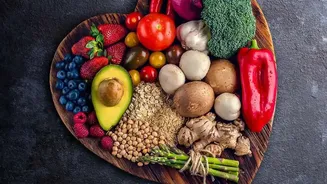
While this study doesn't offer a final verdict, it adds a significant piece to a well-established puzzle. The evidence connecting high-UPF diets to negative health outcomes is substantial and growing. Health organizations like the World Health Organization and the American Heart Association advise choosing minimally processed foods over ultra-processed ones. The key takeaway isn't to panic or eliminate every single packaged food from your diet. Even some healthy staples, like wholemeal bread or baked beans, can be classified as ultra-processed. Instead, the guidance is to be more mindful of the balance. The goal is to build a diet founded on whole or minimally processed foods: fresh fruits and vegetables, whole grains, dals and legumes, and unprocessed meats and fish. Think of it as shifting the focus. Instead of centring meals around ready-to-eat products, use them sparingly and prioritize foods that are closer to their natural state.