

The Great Potato Divide: Starchy vs. Waxy
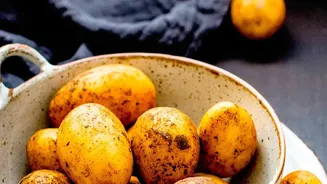
Walk into any market, and you're faced with a variety of potatoes. For most home cooks, a potato is just a potato. However, they generally fall into two main camps: starchy and waxy. Starchy potatoes, like the common Russet, have a low moisture content
and a coarse, dry texture. They are absorbent and become light and fluffy when cooked, making them ideal for baking, mashing, and, of course, frying. Waxy potatoes, on the other hand, are high in moisture and low in starch. Their flesh is firm, smooth, and holds its shape exceptionally well during cooking. This makes them perfect for dishes where you need the potato to remain intact, such as in potato salads, gratins, or stews. Using a waxy potato for wedges often results in a firm, sometimes leathery texture, rather than the desired fluffiness.
The Science of Fluffiness
The magic behind that fluffy interior comes down to science, specifically, the behaviour of starch granules. All potatoes contain starch, but starchy varieties have larger granules and a higher concentration of a starch molecule called amylose. When you heat a potato, its starch granules absorb the surrounding water and swell up in a process called gelatinization. In a high-starch potato, these swollen granules separate from each other, creating a light, airy, and mealy texture. The lower moisture content also means they don't become waterlogged; instead, they become absorbent, ready to soak up a bit of oil and seasoning, which helps the outside get wonderfully crisp while the inside turns to a soft, floury delight.
Your Best Bets for Indian Kitchens
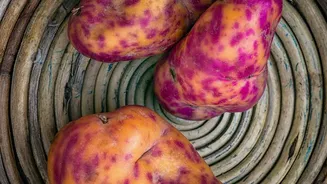
While recipes often call for Russet potatoes, identifying the right local equivalent is key. In India, look for potato varieties known for being starchy or good for processing into chips and fries. Varieties from the Kufri line are excellent choices. Kufri Jyoti is widely available and celebrated for its texture, making it ideal for fries and mashed potatoes. Similarly, the Kufri Chipsona series was developed specifically for processing, meaning it has the high dry matter and low sugar content perfect for creating crispy, non-soggy results. Kufri Lalima, a red-skinned potato, is another fantastic option for roasting and frying due to its starchy composition. When in doubt, ask your vegetable vendor for potatoes that are good for making fries ('chips wale aloo'), as they will point you toward the starchy varieties.
A Simple Guide to Perfect Wedges
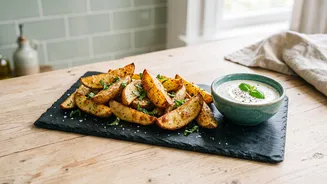
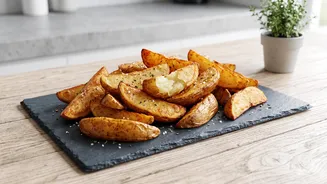
Armed with the right potato, you're halfway to success. First, cut your potatoes into even-sized wedges. Soaking them in cold water for about 15-20 minutes can help remove excess surface starch, which leads to a crispier finish; just be sure to dry them thoroughly afterwards. A brief parboil for 5-7 minutes in salted water can also enhance the fluffy interior, but it's an optional step. After drying, toss the wedges in a bowl with a generous coating of oil and your favourite seasonings—paprika, garlic powder, salt, and pepper are a classic combination. Spread them in a single layer on a baking sheet. Overcrowding the pan is a common mistake that causes the potatoes to steam instead of roast, so use two sheets if necessary. Roast in a preheated oven at a high temperature, around 200-220°C, for 30-40 minutes, flipping them halfway through to ensure they brown evenly on all sides.
Why Texture Matters Most
Ultimately, the quest for the perfect wedge is a lesson in texture. A starchy potato doesn't just get fluffy; its structure fundamentally changes during cooking. The cells break apart gently rather than remaining tightly bound, a quality that makes them fall apart when boiled but a feature when roasted. Waxy potatoes, with their strong cellular glue, resist this breakdown, which is why they stay firm and are great for other applications. Understanding this simple difference empowers you to choose the right ingredient for the job every time. So next time you crave those perfectly crisp-on-the-outside, fluffy-on-the-inside wedges, remember that your journey to success begins not at the oven, but at the vegetable market.