









The Initial Blitz: A New Plane Every Week
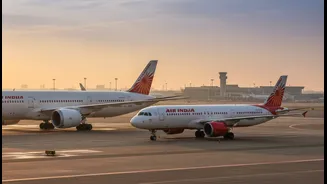
The first phase of Air India's strategy is all about immediate, tangible growth. The airline group is on track to induct between 50 and 60 new aircraft within an 18-month window concluding at the end of 2027. This rapid influx, which averages out to roughly
one new aircraft joining the fleet every week when combined with its low-cost arm Air India Express, is designed to quickly modernise the fleet and scale up capacity. This initial wave is a mix of both narrow-body jets for domestic and short-haul routes, and wide-body aircraft for long-haul international services. This aggressive push is a foundational step in its five-year transformation plan, Vihaan.AI, which aims to re-establish the carrier as a world-class airline. Despite some global supply chain headwinds that have caused minor delays, the airline's leadership has confirmed that this initial delivery schedule remains largely on track.
The Long Game: Building a Megafleet
Following the initial surge, Air India's plan transitions into a second, more prolonged phase of methodical growth. Starting in 2026 and continuing for the next seven to eight years, the Air India Group expects to add 50 to 60 aircraft annually. This translates to a steady stream of about 10 to 15 new wide-body jets and 40 to 50 narrow-body jets each year. This sustained delivery schedule is part of the historic order for nearly 600 aircraft from Airbus and Boeing, an order so large it will take until the middle of the next decade to be completely fulfilled. The wide-body expansion is particularly crucial, with a new international-grade aircraft like the Boeing 787-9 or Airbus A350 slated to arrive every six weeks through 2026 and 2027. This relentless pace is intended to systematically lower the average fleet age, boost reliability, and provide the capacity needed to compete with global giants.
More Than Just New Planes
This fleet expansion is not happening in a vacuum. It is coupled with a massive, multi-year project to completely retrofit the cabins of its existing legacy aircraft. The airline is investing heavily to refurbish its older Boeing 777 and 787 wide-body jets with new seats, modern in-flight entertainment systems, and a harmonised three-class configuration that includes a new Premium Economy offering on many routes. The first retrofitted aircraft are already re-entering service, with the entire program for dozens of planes expected to be completed over the next two to three years. By mid-2026, a significant portion of the wide-body fleet is expected to feature these modernised interiors, a key step in rectifying a long-standing customer pain point and aligning the passenger experience with the new brand identity.
Reshaping Indian and Global Aviation
Air India's grand strategy is about more than just its own revival; it's a deliberate move to make India a major global aviation hub, directly challenging the dominance of Middle Eastern carriers on lucrative international routes. By significantly expanding its own long-haul, non-stop network with modern aircraft, Air India aims to capture a much larger share of the traffic flying to and from India. This growth also puts pressure on domestic competitors, chiefly IndiGo, which is also pursuing its own international expansion. The integration of Vistara into Air India and the parallel expansion of Air India Express as a formidable low-cost carrier create a powerful two-pronged entity. This allows the group to compete across all market segments, from budget domestic travel to premium intercontinental journeys, fundamentally reshaping the competitive landscape of Indian aviation.