

Millets: The Ancient Grain's Modern Comeback
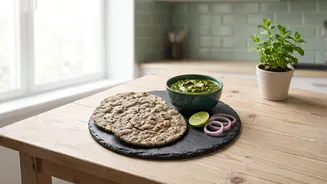
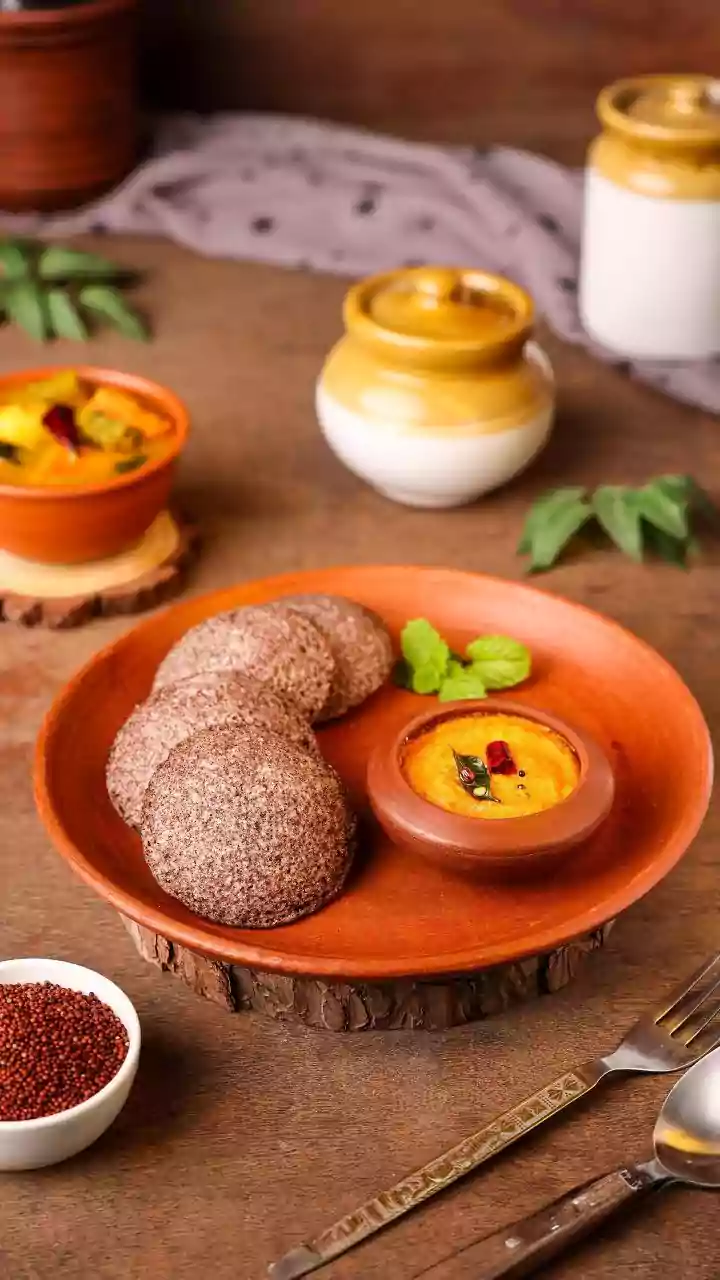
For generations, grains like ragi, jowar, and bajra were staples in Indian kitchens before being overshadowed by wheat and rice. Today, they are making a powerful comeback. Driven by a wellness wave and a renewed interest in sustainable, indigenous ingredients,
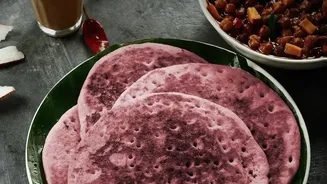
millets are no longer seen as 'coarse' grains. Chefs are transforming them into gourmet dishes like millet risotto and ragi crepes, while home cooks are swapping rice for millets in everything from upma to khichdi. This revival is not just about health; it is about reclaiming a piece of our agricultural heritage.
Ghee: From Pantry Staple to Wellness Star
Desi ghee, once a non-negotiable part of every meal, faced years of being unfairly maligned. Now, it is back in the spotlight, celebrated not just for its flavour but for its health benefits. The modern ghee moment is about more than just a dollop on your roti. It's about a wellness trend embracing healthy fats. This resurgence is driven by an appreciation for traditional wisdom backed by modern nutritional science. You can now find artisanal ghee varieties, from A2 ghee to herb-infused versions, taking their rightful place in modern Indian pantries and even finding their way into morning coffees as a health supplement.
Jackfruit: The Humble Vegetable's Meaty Moment
Long a staple in regional curries and sabzis, the humble kathal, or jackfruit, is having a global moment as a meat substitute. Its fibrous texture, which mimics pulled meat, has made it a star ingredient for plant-based dishes in India and beyond. Trendy cafes and restaurants are now serving jackfruit burgers, tacos, and biryanis, introducing this versatile vegetable to a new generation of diners. This shift showcases how a traditional Indian ingredient can seamlessly adapt to contemporary global food trends like veganism and flexitarianism.
Khichdi: Comfort Food Gets a Gourmet Makeover
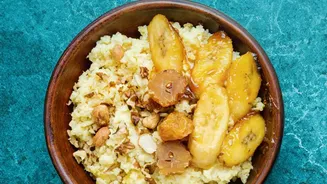
Khichdi has always been India’s ultimate comfort food, associated with home-style nourishment. Recently, however, this simple one-pot meal has been elevated from a humble dish to a canvas for culinary creativity. Chefs are giving khichdi a gourmet twist, using a variety of grains like quinoa and black rice, and adding premium ingredients such as wild mushrooms, truffle oil, and exotic vegetables. This reinvention is turning khichdi into a trendy, versatile dish that appears on fine-dining menus, proving that comfort and sophistication can go hand in hand.
Fermented Foods: A Gut-Friendly Revival
While fermented foods like dahi, dosa, and pickles have been part of Indian diets for centuries, they are now being celebrated for a new reason: gut health. The global wellness focus on probiotics has led to a renewed appreciation for traditional Indian fermentation. Beyond the usual suspects, age-old drinks like black carrot kanji and fermented rice water (panta bhat) are being rediscovered for their probiotic benefits. This moment sees traditional wisdom aligning perfectly with modern science, making our everyday fermented foods trendy again.
Pani Puri: Street Food Icon Goes Upscale
Pani puri, or golgappe, is the undisputed king of Indian street food, but it's no longer confined to the roadside cart. This iconic snack is being reinterpreted in innovative and playful ways by modern restaurants and caterers. You can now find 'pani puri flights' with a variety of flavoured waters, from tamarind and mint to more exotic concoctions like pomegranate or jaljeera. Fillings are also getting an upgrade, with chefs using ingredients like avocado, corn, and sprouts. This gourmet transformation celebrates the core joy of the snack while offering a more refined, contemporary experience.
Moringa: The Superfood Next Door
For many in India, moringa, or the drumstick tree, is a familiar backyard plant, its leaves and fruit commonly used in dishes like sambar. Now, the rest of the world has caught on, hailing moringa as a 'miracle tree' and a potent superfood packed with vitamins and antioxidants. This global recognition has sparked a fresh cultural moment for moringa back home. No longer just an ingredient for traditional curries, it's now being marketed as a wellness product in the form of powders for smoothies, capsules, and even moringa-infused teas, bridging the gap between traditional knowledge and the modern health industry.