





Why Rain Is a Problem for Produce
This year’s persistent rains are doing more than just disrupting transport; they are fundamentally affecting the quality of fresh produce before it even reaches the market. When fields become waterlogged, plant roots are starved of oxygen, leading to
stress, yellowing leaves, and stunted growth. This oxygen-deprived environment makes vegetables weaker and less nutritious. Furthermore, the constant humidity is a perfect breeding ground for fungal diseases like mildew and leaf spot, which can cause blemishes and accelerate decay. Produce harvested from these conditions is often water-soaked, making it heavier but also significantly more prone to rotting. A beautiful, plump vegetable might be harbouring excess moisture that drastically shortens its shelf life from days to mere hours once you bring it home.
Your Five-Sense Inspection Guide
In a rain-soaked market, your eyes can be easily fooled. A glistening vegetable might just be wet from a recent downpour, not necessarily fresh. It's time to engage all your senses. First, trust your touch. Gently squeeze produce like tomatoes, gourds, and brinjals. They should be firm and taut, not soft, mushy, or yielding easily to pressure. For leafy greens, feel the leaves; they should be crisp, not limp or slimy. Next, use your nose. Fresh produce has a clean, earthy, or fragrant aroma. If you detect a sour, musty, or rotting smell, move on. This is a clear sign of decay that appearance might not reveal. Also, pay attention to weight. A vegetable that feels unusually heavy for its size could be waterlogged. Finally, look closely for subtle signs of distress: dark spots, soft patches, premature yellowing on greens, or small, fuzzy patches of mould, especially near the stem.
The Most Vulnerable Vegetables
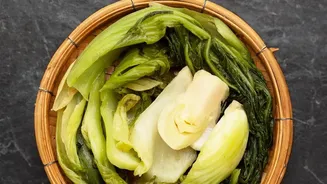
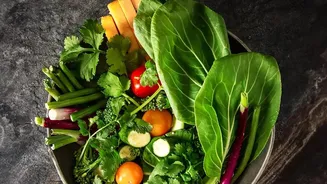
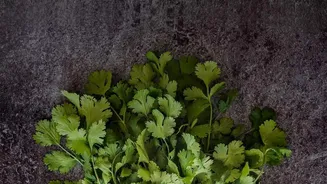
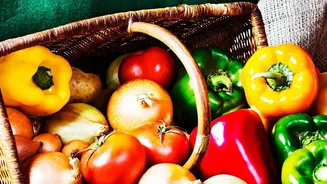
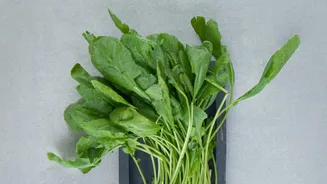
Certain vegetables are more susceptible to damage from excessive rain. Leafy greens like spinach, coriander, and methi are particularly fragile. Their delicate leaves absorb excess water, making them wilt and rot quickly. They are also prone to developing fungal spots and carrying more grit and soil. Tomatoes are another major casualty of the monsoon. Their thin skins can split when waterlogged, allowing bacteria and fungi to enter, causing them to spoil from the inside out. Onions, typically a hardy staple, suffer in humid conditions. If stored improperly after a wet harvest, they can become soft and develop black mould beneath their outer layers. Other delicate vegetables like cauliflower and cabbage can trap moisture in their dense heads, leading to hidden rot.
The More Resilient Choices
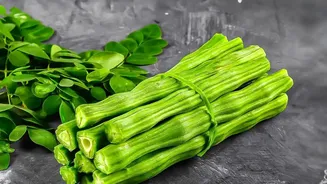
While some vegetables struggle, others hold up better against the challenges of the monsoon. Hard-skinned gourds are often a reliable choice. Vegetables like bottle gourd (lauki), bitter gourd (karela), and snake gourd have tough exteriors that provide a natural barrier against excess moisture and pests. Root vegetables that grow underground are also a safer bet. Carrots, radishes, and beets are generally more protected from the direct impact of rain and humidity. When selecting these, ensure their skins are smooth and unbroken and they feel firm to the touch. Beans and green chillies are also known to be fairly robust during the rainy season, often growing well and maintaining their quality despite the wet weather. Focusing your shopping on these heartier options can reduce waste and ensure you get better value.
Smart Storage in Humid Weather
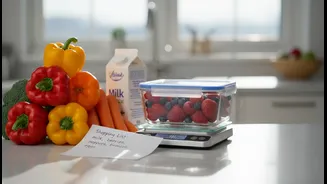
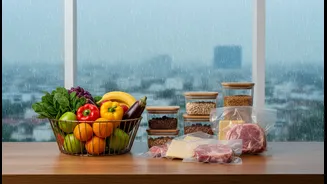
How you store your vegetables is just as important as how you buy them, especially during the humid monsoon months. The golden rule is to keep them dry. Do not wash your produce until you are ready to use it, as washing introduces moisture that encourages spoilage. For leafy greens, wrap them loosely in paper towels before placing them in a breathable bag in the refrigerator; the paper will absorb any excess moisture. For items like ginger, garlic, and onions, store them in a cool, dark, and well-ventilated place, but not in the fridge where the moisture can cause them to sprout or rot. Airtight containers can be your best friend for storing chopped vegetables or preventing the transfer of odours in the fridge. A quick daily check of your vegetable drawer can help you catch any item that is starting to turn, preventing it from affecting the others.