






Why Metal Prices Fluctuate
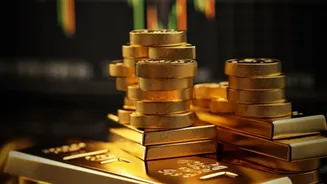
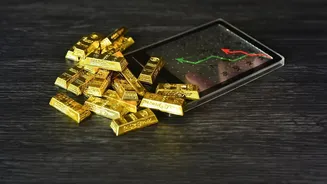
The price tag on a new piece of jewellery isn't just about design; it's heavily tied to the global market. Precious metal prices for gold, silver, and platinum change daily, influenced by a mix of international and domestic factors. Global economic trends,
the strength of the US dollar, and interest rate expectations all play a major role. For instance, a stronger dollar can make gold more expensive, while geopolitical uncertainty often increases its appeal as a 'safe-haven' asset. In India, local demand during wedding and festive seasons, import duties, and currency exchange rates between the Rupee and the Dollar add another layer to the price you ultimately pay at the counter. Recent trends show a volatile market, with prices for both gold and silver seeing significant fluctuations, making it more important than ever for consumers to stay informed.
The Direct Impact On Your Wallet
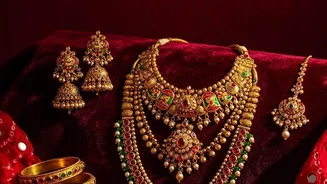
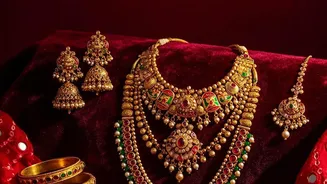
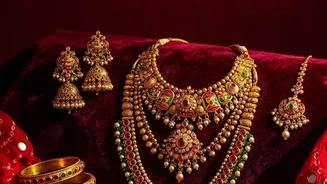
These daily rate changes have a direct and immediate effect on jewellery costs. Jewellers typically update their rates every morning based on the current market. This means a necklace you were eyeing last week could cost significantly more or less today. The final price of an ornament is calculated using the metal's net weight at the day's rate, plus making charges, stone costs (if any), and GST. As prices rise, even for lightweight pieces, the total bill can quickly exceed your budget. Jewellers note that during periods of high prices, consumer behaviour shifts. Many buyers opt for lighter-weight designs, lower-karat gold like 18K instead of 22K, or jewellery studded with gemstones to reduce the overall gold weight and cost. This trend highlights a growing desire for wearable, everyday pieces over heavy, traditional ones that often remain in a locker.
Smart Strategies for Shoppers
Navigating a volatile market doesn't mean you have to give up on your dream purchase. The key is to be a strategic and informed buyer. One of the most effective approaches is to track gold rates for a few weeks before buying to avoid purchasing during a sudden price spike. Don't forget to budget for the extras: making charges, which can be a percentage of the gold value or a flat fee, and a 3% GST on the item's value plus 5% on the making charges. Always ask for a detailed price breakdown. For bigger purchases, some shoppers use monthly savings schemes offered by jewellers or invest in digital gold to build their budget gradually. It's also wise to insist on BIS hallmarking, which certifies the metal's purity. Every hallmarked piece today must have three signs: the BIS logo, a purity grade (like 22K916), and a six-digit alphanumeric HUID code, which you can verify using the BIS Care app.
Considering the Alternatives
High gold prices are also prompting buyers to explore other precious metals. Silver, while also volatile, has seen its own rallies and offers a more affordable entry point for statement jewellery. Platinum is another strong contender, especially for engagement rings and modern designs. Historically more expensive than gold, platinum has recently been trading at a lower price point in India, making it a compelling alternative for those who prefer its silvery-white lustre and durability. Despite being rarer than gold, its price is more influenced by industrial demand, which creates different market dynamics. As younger consumers increasingly prioritise design and wearability over traditional investment value, metals like platinum and silver, as well as lab-grown diamonds, are gaining significant traction.