




The Black Sea's Vital Role
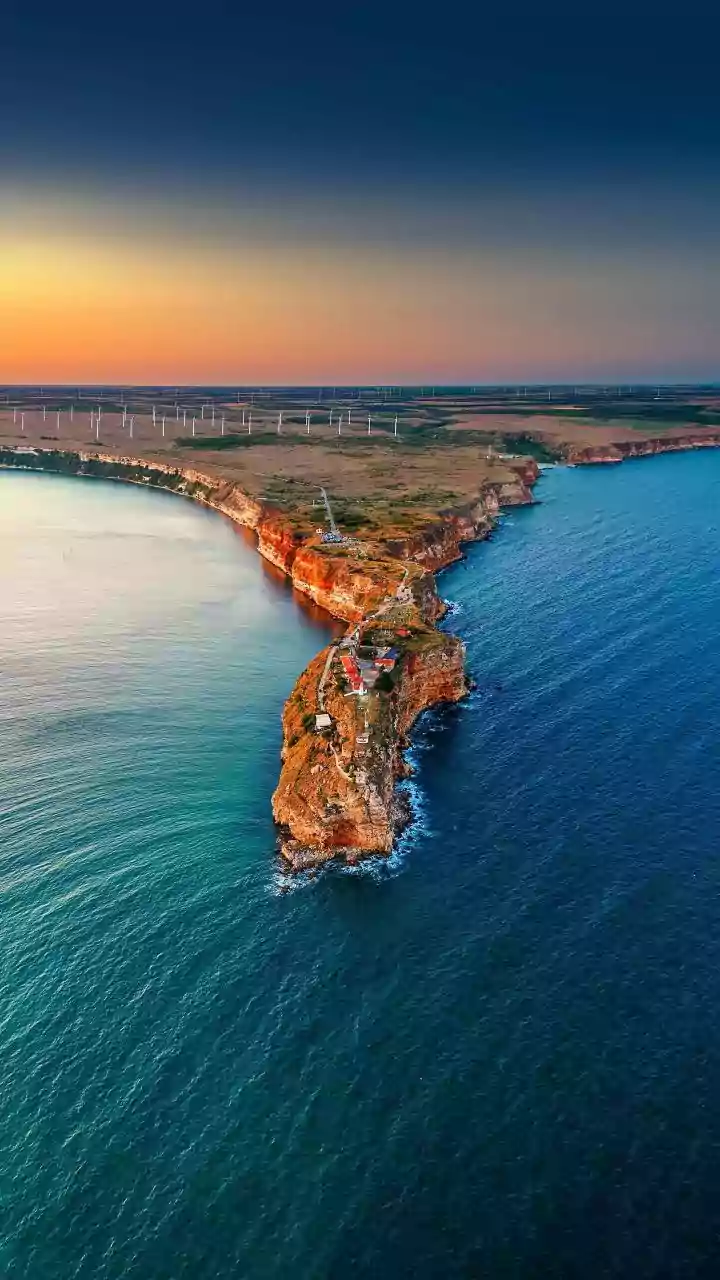
The Black Sea is more than just a body of water separating Europe and Asia; it's a strategic economic corridor. A huge volume of global trade, including agricultural commodities, energy products, and metals, passes through its waters. For both Russia
and Ukraine, it is the primary route for exporting their vast grain harvests to the world. Ukraine, for instance, ships over 90% of its agricultural exports through its Black Sea ports. This makes the waterway a lifeline for its economy and a critical component of global food security, particularly for wheat, corn, and sunflower oil. Any disruption here doesn't just affect the warring nations; it creates ripples that travel across the globe, impacting supply chains and household budgets far away.
A New Wave of Threats
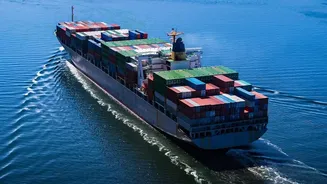
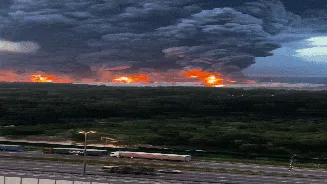
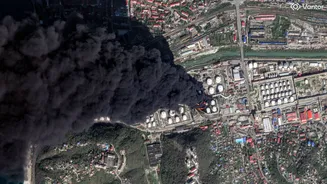
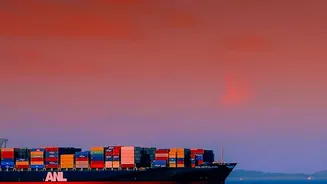
Recent weeks have seen a dramatic escalation in military activity targeting maritime trade. Unlike a formal naval blockade, both Russia and Ukraine are now using missiles and advanced sea drones to make the shipping lanes perilous. Russia has intensified strikes on Ukrainian port infrastructure in cities like Odesa, while Ukraine has targeted Russian vessels, including oil tankers and naval ships in ports like Novorossiysk. In July alone, Ukraine reported dozens of Russian attacks on port facilities and vessels. This tit-for-tat warfare has made shipowners and insurance companies extremely wary. War-risk insurance premiums for calling at Black Sea ports have reportedly doubled, making it prohibitively expensive for many to operate in the region. This creates a de facto blockade, deterring commercial shipping without needing a fleet of warships to enforce it.
What's at Stake: Grain and Oil
The immediate victims of this escalating conflict are global supplies of grain and oil. Russia is the world's largest wheat exporter, and Ukraine is also a major global supplier. The previous Black Sea Grain Initiative, brokered by Turkey and the UN, had stabilized prices by ensuring safe passage, but that deal collapsed. Now, with attacks intensifying, the flow of grain is severely threatened. Ukraine's agricultural export forecast for the 2026-27 season has been slashed by more than half, a staggering reduction that will be felt by import-dependent nations. This disruption coincides with droughts in other key growing regions, putting further upward pressure on global wheat prices, which have already seen significant increases. Beyond grain, the targeting of tankers threatens energy supply chains, with the costs for chartering oil tankers in the region skyrocketing.
The Ripple Effect on India
For India, trouble in the Black Sea is not a distant problem. As a major importer of edible oils, particularly sunflower oil, a significant portion of which originates from the Black Sea region, any disruption can lead to sharp price increases in the domestic market. India has historically been a major buyer of Ukrainian sunflower oil. A prolonged chokepoint would force buyers to seek more expensive alternatives from other parts of the world, like South America or Asia, increasing transport costs and inflation at home. Furthermore, volatility in global oil and grain markets has a direct impact on India's economy. Rising energy prices can strain the country's import bill, while higher food prices contribute to overall inflation, affecting millions of households. The situation also presents a diplomatic challenge, as India navigates its relationships with all parties involved while safeguarding its economic interests.