



Mehrangarh Fort, Jodhpur
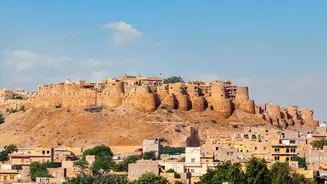
Perched on a 400-foot hill, Mehrangarh Fort offers breathtaking views of Jodhpur's famous blue houses. The walk through its seven imposing gates is a lesson in military architecture, each bearing scars from past battles. Inside, the fort is a well-preserved
wonder, with expansive courtyards connecting intricately decorated palaces like the Moti Mahal (Pearl Palace) and Sheesh Mahal (Mirror Palace). The museum circuit is one of the best in Rajasthan, and well-maintained pathways guide you through centuries of Rathore history. An audio guide brings the stories of the citadel to life, making a walk along its formidable ramparts an unforgettable experience.
Amer Fort, Jaipur
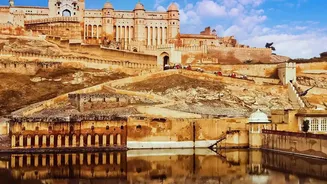
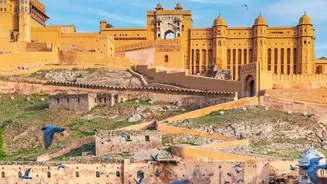
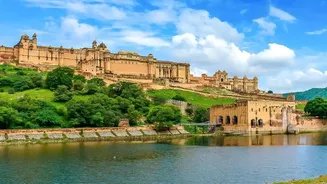
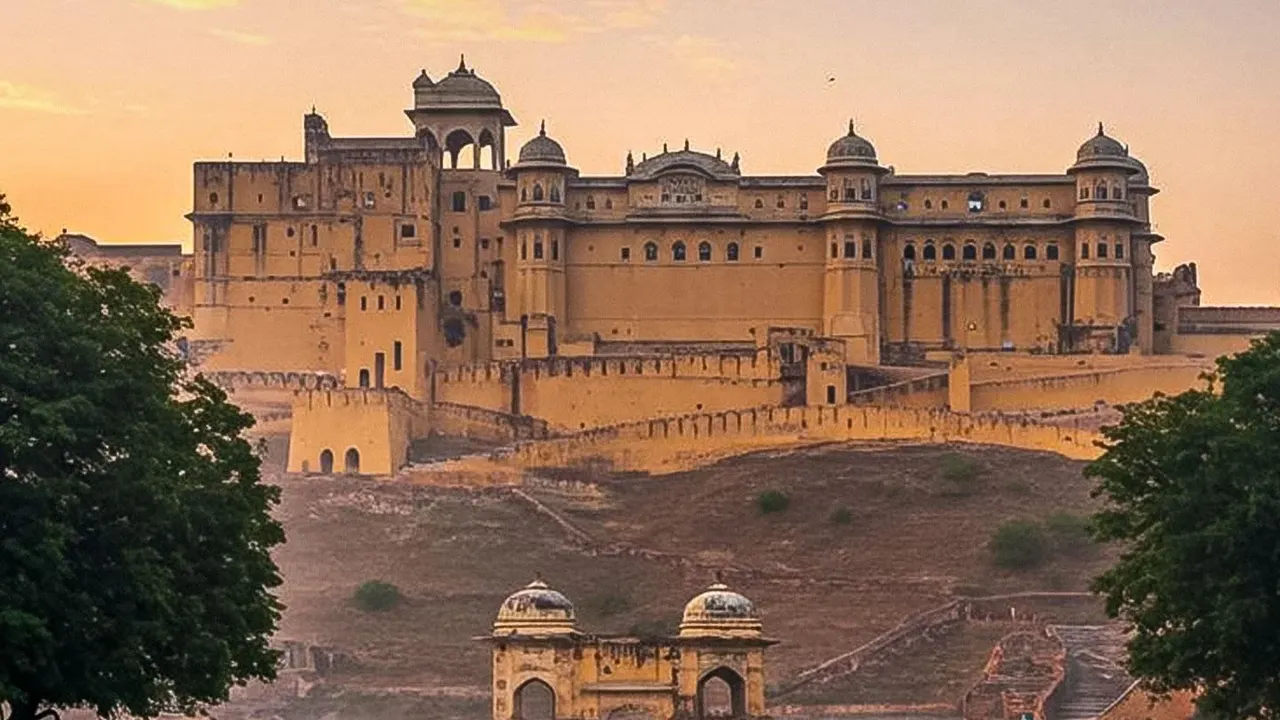
Just outside Jaipur, Amer Fort is a stunning blend of Rajput and Mughal architectural styles. While many visitors arrive by vehicle, the walk up the cobbled path to the main entrance offers spectacular views and a deeper appreciation for its strategic location. Inside, a series of courtyards, palaces, and halls are interconnected by walkways and even secret passages. Exploring the Diwan-e-Aam (Hall of Public Audience), the beautiful Ganesh Pol, and the mesmerising Sheesh Mahal on foot allows you to soak in the details. Guided heritage walks are popular, taking you not just through the fort but also into the historic Amer town at its base.
Golconda Fort, Hyderabad
Once the capital of the Qutb Shahi dynasty and a global diamond trading hub, Golconda is more a fortified city than a single fort. Its most famous feature is the incredible acoustic system: a clap at the main gate can be heard at the highest point, the Bala Hissar pavilion, nearly a kilometre away. This makes the walk up its 365 steps a unique interactive experience. The climb is a journey through ruined palaces, mosques, and water systems. Reaching the summit rewards you with panoramic views of Hyderabad, making the effort a highlight for any visitor.
Chittorgarh Fort, Rajasthan
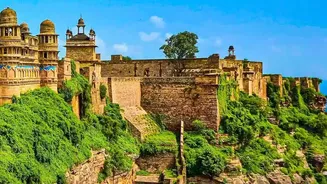
As one of the largest forts in India and a UNESCO World Heritage Site, Chittorgarh is a city unto itself, sprawling across nearly 700 acres. Exploring this vast complex requires a full day of walking. You can wander between its numerous historical palaces, gates, temples, and two prominent memorial towers: the Vijay Stambh (Tower of Victory) and Kirti Stambh (Tower of Fame). The fort's pathways connect stories of Rajput valour, romance, and sacrifice. Walking through the ruins of Rana Kumbha Palace or gazing at the serene Gaumukh Reservoir makes history feel tangible.
Bekal Fort, Kerala
What makes Bekal Fort unique is its stunning location on the shores of the Arabian Sea. It is one of the largest and best-preserved forts in Kerala. The walk here is less about strenuous climbing and more about scenic strolls. Well-maintained laterite pathways run along the fort’s massive walls, offering spectacular views of the sea on one side and lush greenery on the other. An observation tower, built by Tipu Sultan, provides a panoramic vista of the coastline. The combination of zigzagging entrances, underground tunnels, and seaside pathways makes exploring Bekal Fort a serene and picturesque experience.
Kangra Fort, Himachal Pradesh
Believed to be the oldest fort in India, Kangra Fort stands majestically in the Himalayas with the snow-capped Dhauladhar range as its backdrop. The experience of exploring Kangra is akin to a historical trek. You walk through a series of gates built by different rulers over centuries, including the Ranjit Singh Gate and the Jahangiri Darwaza. The path winds uphill past ruined temples and ancient walls. An audio guide, often included with the entry ticket, narrates the fort's long and dramatic history as you walk, connecting you to the dynasties that once ruled from this mountain stronghold.
Daulatabad Fort, Maharashtra
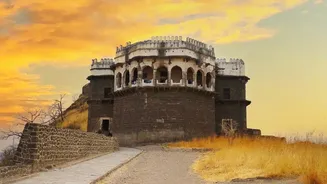
Daulatabad Fort is a marvel of medieval military engineering, built to be unconquerable. Located on a 200-meter-high conical hill, the walk to the top is an adventure in itself. It features a complex defense system, including a deep moat, multiple gates, and steep, winding pathways. The most intriguing part of the walk is navigating the Andheri, a pitch-dark, serpentine passage designed to confuse and trap invaders. While the climb is challenging, reaching the summit provides a rewarding sense of accomplishment and a stunning 360-degree view of the Deccan plains.