








West Bengal: Strengthening Eastern Corridors
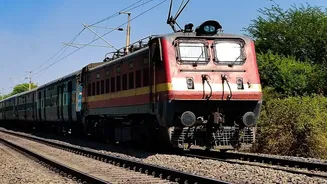
West Bengal is a key beneficiary of the new multi-tracking projects, particularly the fourth line being laid between Kharagpur and Jharsuguda. This expansion is critical for enhancing the capacity of routes that move essential industrial commodities.
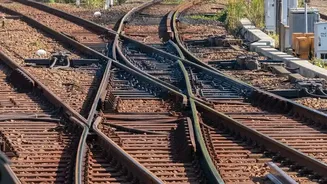
By adding another track to this high-density corridor, the railways aim to separate freight and passenger traffic more effectively, reducing delays for both. This will provide a significant boost to the movement of goods from industrial zones to ports, strengthening the state's role in national and international trade. The project is expected to improve the transport of coal, cement, and steel, which are vital to the region's economy. Furthermore, smoother connectivity will benefit lakhs of people across several districts by providing better access to markets, healthcare, and employment centres.
Odisha: A Boost for Industry and Tourism
Odisha stands to gain substantially from the expansion, with new lines approved for the Kharagpur-Jharsuguda and other key sections. These upgrades are designed to handle an additional 27 million tonnes of annual freight, primarily benefiting the state's abundant mineral resources like coal and iron ore. This increased capacity will not only reduce logistics costs for industries but also help lower carbon emissions by shifting more freight from road to rail. Beyond the industrial impact, the projects will improve access to important religious and tourist destinations. Pilgrims and tourists travelling to sites like the Taratarini Temple and the Shri Kshetra Jagannath Temple near Jharsuguda can expect more reliable and potentially faster train services.
Jharkhand: Enhancing Mineral Transport
As a major mineral-producing state, Jharkhand will see significant benefits from the new railway lines passing through its districts. The Kharagpur-Jharsuguda fourth line project directly impacts the state, easing a major bottleneck for the transport of coal and other raw materials from its resource-rich regions. This improved freight movement is crucial for the steel and power plants that are the backbone of Jharkhand's economy. By decongesting the network, the expansion will allow for faster turnaround times for freight trains, increasing efficiency and reducing operational costs for businesses. The government's plan also emphasizes that this infrastructure push will connect thousands of villages, integrating local economies more deeply with national supply chains and creating new opportunities for residents.
Madhya Pradesh: Unlocking Central India's Potential
In Madhya Pradesh, the approval of the Katni-Pendra Road fourth line and the Bilaspur-Pendra Road third line marks a major infrastructure upgrade. These projects will add significant capacity to a crucial corridor in central India that is essential for transporting industrial goods. The expansion is expected to benefit industries by allowing for more efficient movement of commodities. For the public, the improved network promises better connectivity to tourist destinations like the Bandhavgarh Tiger Reserve and the pilgrimage site of Amarkantak. By increasing the number of tracks, the railways can run more passenger trains with greater reliability, reducing travel time and making these attractions more accessible to people from across the country.
Chhattisgarh: Powering Industrial Growth
Chhattisgarh's industrial and mining sectors are set to receive a major boost from the latest railway expansion. The new third and fourth lines approved between Bilaspur and Pendra Road, as well as on the Katni-Pendra Road section, will directly enhance freight capacity in this key industrial region. These routes are vital for transporting coal, steel, and cement from the state's production centres. The capacity expansion is projected to streamline operations, reduce congestion, and make freight services more reliable. This will not only lower logistics costs for businesses but also support the broader economic development of the state. Additionally, improved rail infrastructure will provide better connectivity for residents in several districts, linking them to employment hubs and improving overall mobility.