



The Viral Promise of the Peel
From TikTok to Instagram, influencers and users are touting the banana peel as a miracle cure-all. The claims are impressive, suggesting it can function as 'nature's Botox' to reduce fine lines, lighten dark under-eye circles, soothe inflammation, and even
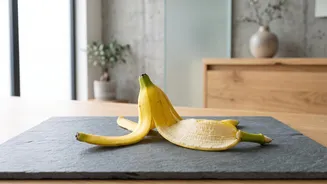
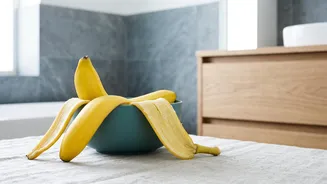
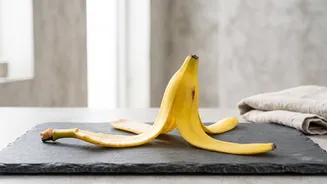
whiten teeth. The method is simple: after eating the banana, take the peel and rub the inner white side directly onto the skin, letting the residue sit for a few minutes before rinsing. It's presented as an all-natural, affordable alternative to expensive creams and treatments. Given that it utilizes something most of us would just throw away, it’s easy to see why this trend has gained so much traction. But does the science back up the hype?
The Grain of Truth: What's Inside
To be fair, the buzz isn't built on nothing. Banana peels are surprisingly dense with bioactive compounds that are known to be beneficial for skin health. They are particularly rich in antioxidants, including phenolics and carotenoids, which are molecules that help fight free radical damage from pollution and sun exposure—a major contributor to skin ageing. Peels also contain vitamins like C and E, potassium, and silica, a mineral involved in collagen production. Some studies have even identified anti-inflammatory and antimicrobial properties in banana peel extracts. On paper, the ingredient list looks promising. The critical question, however, is whether these nutrients can actually be delivered to your skin by simply rubbing the peel on your face.
Myth: A Wrinkle Eraser and Natural Botox
This is the biggest claim and, according to dermatologists, the most misleading. There is currently no scientific evidence to support the idea that rubbing a banana peel on your skin can reduce wrinkles or act like Botox. The primary issue is absorption. While the peel contains antioxidants, your skin's outer layer is a formidable barrier. These beneficial compounds are unlikely to penetrate deeply enough to affect the skin’s structure or stimulate collagen in any meaningful way. Furthermore, Botox works by relaxing the underlying muscles that cause dynamic wrinkles, a function a banana peel simply cannot perform. Any minor 'blurring' or 'tightening' effect is likely temporary, resulting from the astringent properties of tannins in the peel, which can make skin feel tighter for a short period.
Reality: A Temporary Soothing and Hydrating Agent
While banana peels won't reverse signs of aging, they aren't entirely useless. The peel's high water and potassium content can provide a temporary hydrating and cooling sensation, which can be soothing for irritated or slightly inflamed skin. If you place a cool peel under your eyes, it may help temporarily reduce puffiness, much like a cold compress would. Some dermatologists note that leaving the peel on the skin could create an 'occlusive' effect, which means it forms a barrier that helps seal in your skin's own moisture. So, while it's not a powerful moisturizer, it can provide a fleeting feeling of softness and hydration. Think of it as a mild, temporary skin conditioner rather than a treatment.
The Verdict on Other Claims and Risks
What about hair and teeth? For hair, rubbing a peel on your strands might impart some surface shine due to its silica content, but it won't fundamentally nourish or repair the hair shaft. As for teeth whitening, there is no scientific backing for this claim, and some experts worry the friction and fruit acids could be mildly abrasive over time. The risks of using banana peels are generally low, but they exist. If you have a banana allergy, you should obviously avoid this hack. Another significant concern is pesticide residue on conventionally grown bananas; you wouldn't want to rub those chemicals directly onto your face. For those with sensitive skin, the friction itself could cause irritation.