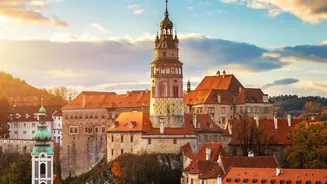





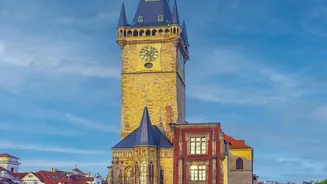
Prague's Historic Centre, Czech Republic
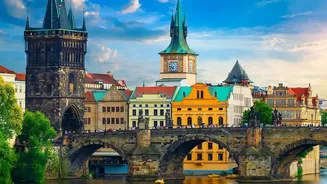
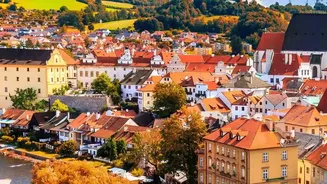
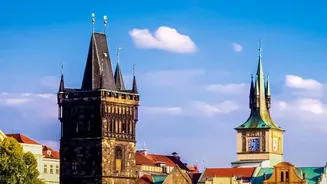
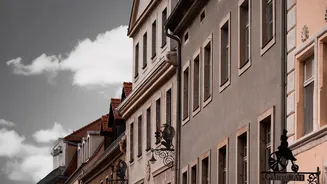
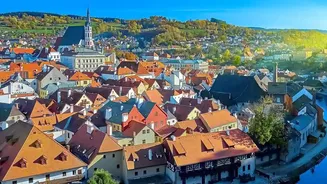
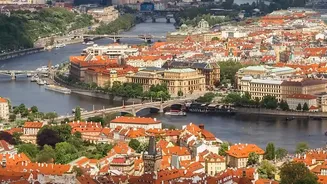
Often called the "City of a Hundred Spires," Prague's Historic Centre is a fairy-tale city that seems almost untouched by time. Spanning the Old Town, the Lesser Town, and the New Town, the area has remained remarkably preserved since the Middle Ages.
A walk across the iconic Charles Bridge at sunrise offers unforgettable views of Prague Castle, a sprawling complex of palaces and churches that has dominated the skyline for over a thousand years. The Old Town Square is the city's heart, home to the famous Astronomical Clock, where crowds gather hourly to watch its mechanical procession. The entire district is a masterclass in Gothic, Renaissance, and Baroque architecture, with cobblestone streets leading to hidden courtyards, ancient chapels, and lively marketplaces.
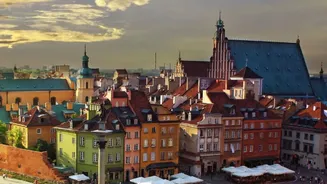
Kraków's Historic Centre, Poland
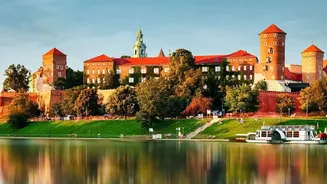
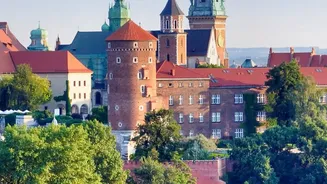
As one of the first sites to be inscribed on the UNESCO World Heritage List, Kraków's Historic Centre is a testament to Poland's cultural and royal past. The city was founded in 1257 and its medieval urban layout remains largely intact. At its core is Rynek Główny, one of the largest medieval town squares in Europe, dominated by the magnificent St. Mary's Basilica and the Renaissance-era Cloth Hall. Just a short walk away, Wawel Hill rises above the Vistula River, home to the Royal Castle and Wawel Cathedral, where Polish kings were crowned and buried for centuries. The historic centre also includes the former Jewish quarter of Kazimierz, a district with a unique atmosphere, filled with synagogues, historic cemeteries, and bohemian cafes.
Plitvice Lakes National Park, Croatia
A world away from the urban grandeur of other heritage sites, Plitvice Lakes National Park is a natural masterpiece. This UNESCO site, Croatia's oldest and largest national park, is famous for its 16 terraced lakes connected by over 90 waterfalls and cascades. The water's color changes from emerald green to deep turquoise depending on the minerals and sunlight, creating a dynamic and mesmerizing landscape. A network of wooden boardwalks and hiking trails allows visitors to walk directly over the crystal-clear water, offering intimate views of the tumbling falls and thriving aquatic life. The park's highest waterfall, Veliki Slap (the Great Waterfall), plunges an impressive 78 meters. Electric boats and panoramic shuttles connect different parts of the park, making its vast beauty accessible.
Budapest, Hungary
Known as the "Pearl of the Danube," Budapest's World Heritage site encompasses the stunning banks of the river, the historic Buda Castle Quarter, and the elegant Andrássy Avenue. This urban landscape illustrates the great periods of Hungarian history, from Roman ruins to grand 19th-century architecture. On the west bank, the Buda Castle Quarter is a maze of medieval streets, home to the Royal Palace, Matthias Church, and the romantic Fisherman's Bastion. Across the river in Pest, Andrássy Avenue is a magnificent boulevard lined with Neo-Renaissance mansions and the Hungarian State Opera House. Beneath it runs the continent's first underground railway, also part of the protected site.
Rila Monastery, Bulgaria
Tucked away in the dense forests of the Rila Mountains, this Eastern Orthodox monastery is a spiritual and architectural jewel. Founded in the 10th century by the hermit Saint Ivan of Rila, the monastery became a crucial center for preserving Bulgarian culture and language, especially during periods of foreign rule. Declared a UNESCO site in 1983, its fortress-like exterior gives way to a breathtaking courtyard. Here, vibrant frescoes depicting biblical scenes cover the main church's exterior, surrounded by arched balconies and residential quarters. The complex includes a 14th-century defensive tower and a museum housing precious historical artifacts. It remains an active monastery and an important pilgrimage site, attracting visitors with its serene atmosphere and stunning artistry.