





Myth: Protein Powder is a Magic Bullet for Muscle
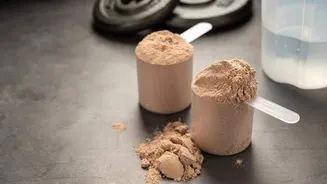
Many advertisements portray protein powder as a shortcut to a sculpted physique. The reality is that protein supplements alone won't build muscle. Muscle growth occurs when resistance training is paired with sufficient protein intake and an overall calorie
surplus. Protein provides the necessary amino acids, which are the building blocks for repairing and growing muscle tissue, but the stimulus for that growth comes from exercise. Think of protein powder as a helpful tool in your toolbox, not the entire toolbox itself. It can make it more convenient to meet your daily protein goals, but it cannot replace the work you put in at the gym and the consistency of a balanced diet.
Myth: More Protein Powder Equals More Muscle
If some protein is good, more must be better, right? Not exactly. Your body has a limit to how much protein it can use for muscle protein synthesis at one time, which is generally around 20-40 grams per meal. Consuming significantly more than this in one sitting doesn't lead to more muscle gain. Instead, the excess protein is simply used for energy or, if you're in a calorie surplus, can be stored as fat. For most active individuals aiming to build muscle, a daily intake of 1.6 to 2.2 grams of protein per kilogram of body weight is considered the effective range. Going far beyond this doesn't appear to offer additional muscle-building benefits.
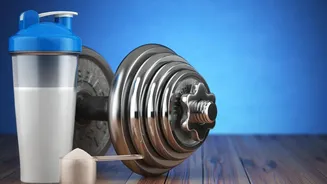
Myth: You Must Drink a Shake Within 30 Minutes Post-Workout
The idea of a 30-minute 'anabolic window' has been a powerful marketing tool, creating a sense of urgency to consume a protein shake immediately after exercise. While it's beneficial to consume protein within a couple of hours of training to aid recovery, the window is much wider than most people believe. The most critical factor for muscle growth is meeting your total daily protein intake consistently, rather than the precise timing of one shake. Enjoying a protein shake post-workout is convenient and can be a great habit, but there's no need to panic if you can't get to it right away. A protein-rich meal within an hour or two will also effectively support muscle repair and growth.
Myth: Protein Powder Will Make Women 'Bulky'
This is a persistent myth that discourages many women from using protein supplements. The truth is, protein powder itself does not cause bulkiness. Unwanted weight gain, or 'bulking', results from consistently consuming more calories than your body burns. Women do not have the same hormonal profile as men, specifically the high levels of testosterone, that facilitates large increases in muscle mass. For women, supplementing with protein in conjunction with training typically supports the development of lean, toned muscle, not significant bulk. It aids in recovery and helps preserve muscle during weight loss, contributing to a more defined physique.
Myth: All Protein Powders Are Created Equal
The supplement aisle can be overwhelming, but it's crucial to know that quality varies significantly. Some powders contain a high amount of added sugars, fillers, and artificial sweeteners, which can turn a supposedly healthy drink into a high-calorie one. Furthermore, misleading practices like 'protein spiking' can occur, where cheaper amino acids are added to inflate the nitrogen content and, therefore, the protein amount listed on the label. It's essential to read the ingredients list, not just the protein count. Whether it's whey, casein, or a plant-based option like soy or pea, choosing a product from a reputable brand with a short, recognizable ingredient list is key to ensuring you're getting a quality supplement.