



The Great Escape Meets Gridlock
The annual summer exodus from India's scorching plains to the cool climes of destinations like Shimla, Manali, and Mussoorie is a long-standing tradition. Yet, what was once a peaceful retreat is increasingly resembling the urban chaos tourists are trying
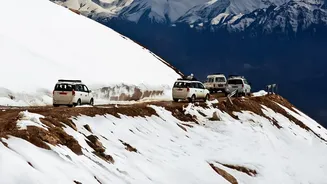
to escape. In recent peak seasons, popular hill towns have reported staggering numbers, with Shimla seeing as many as 70,000 cars over a single long weekend. This surge, fueled by better road connectivity and a post-pandemic travel boom, has pushed these destinations far beyond their capacity. The most visible symptom is traffic. Viral videos regularly show vehicles stranded for hours on narrow mountain roads, turning a scenic drive into a frustrating crawl. Tourists hoping for tranquility find themselves in bumper-to-bumper traffic, sometimes just kilometres from their hotels.
A Strain on Every Seam
Beyond the traffic jams lies a deeper crisis of infrastructure. Most hill stations were developed for much smaller populations and are now buckling under the pressure of millions of annual visitors. Water is a critical issue. Many towns rely on natural springs and rainfall, which are no match for the demand from countless hotels and restaurants during peak season. This has led to severe water shortages and rationing for local residents, creating a stark contrast between the needs of the community and the demands of tourism. Waste management is another major challenge. Overflowing bins and mountains of garbage, particularly single-use plastics, are becoming a common sight, choking drains and polluting the fragile mountain environment. These inadequate systems contribute to soil erosion, water contamination, and an increased risk of landslides.
Concrete Jungles in the Clouds
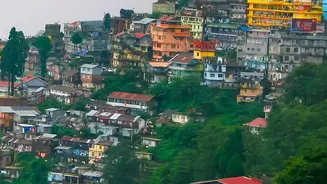
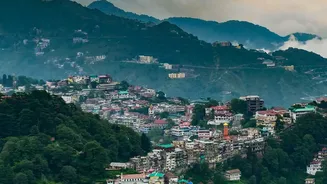
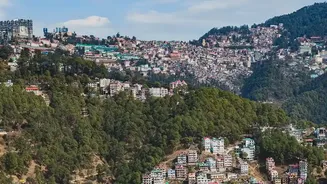
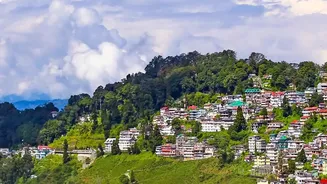
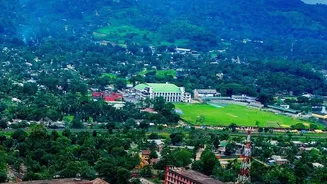
The very charm that defines these hill stations—their quaint architecture and natural landscapes—is being eroded by rampant, often unregulated, construction. To meet the ever-growing demand for accommodation, forests are cleared and slopes are modified to make way for new hotels, guesthouses, and parking lots. This rapid urbanisation is transforming serene retreats into sprawling concrete jungles. The construction on fragile slopes not only destroys biodiversity but also dangerously destabilises the land, increasing the vulnerability to landslides and flash floods, especially during the monsoon season. This unchecked development threatens the long-term sustainability of these towns, risking the loss of the very natural beauty that attracts tourists in the first place.
Is There a Way Forward?
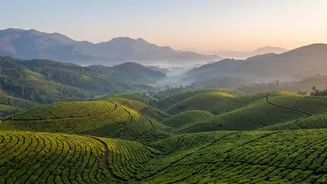
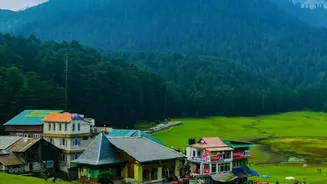
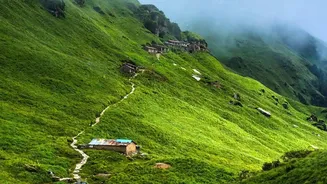
Recognising the crisis, authorities and experts are exploring solutions. The concept of 'carrying capacity'—determining the maximum number of tourists a destination can sustainably handle—is gaining traction, with the government supporting studies across Himalayan states. Some areas have already begun implementing restrictions, such as limiting the number of vehicles allowed to enter daily. The long-term vision involves a shift from 'volume tourism' to 'value tourism.' This includes promoting lesser-known, offbeat destinations to distribute the tourist load more evenly. Other proposed solutions involve developing sustainable infrastructure, creating integrated management plans, and encouraging community-based tourism that empowers local residents and ensures they benefit from the travel economy. States like Sikkim, with its restrictions on new taxi permits linked to parking availability and real-time traffic monitoring, are being seen as a potential model for proactive management.