





From Pungent to Perfumed
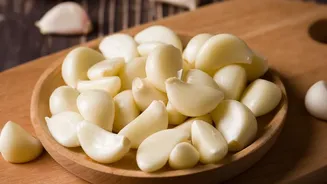
The magic of roasted garlic lies in a beautiful bit of kitchen science. Raw garlic's aggressive bite comes from a sulfur compound called allicin, which is created when the clove's cells are broken by chopping or crushing. Heat, however, changes the game
entirely. As garlic roasts, the enzyme that creates allicin is deactivated. The high, steady heat of the oven kicks off the Maillard reaction, a chemical process between amino acids and natural sugars that creates hundreds of new aromatic compounds. This is the same reaction responsible for the delicious brown crust on seared steak and baked bread. Instead of a spicy kick, you get deep, savoury, and nutty notes with a gentle sweetness. The process also breaks down the garlic's firm cell walls, turning the once-hard cloves soft, creamy, and spreadable.
The Foolproof Roasting Method
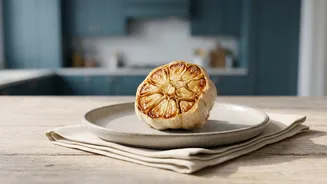
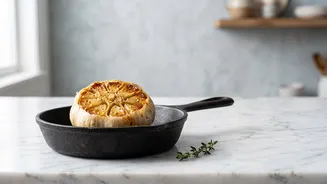
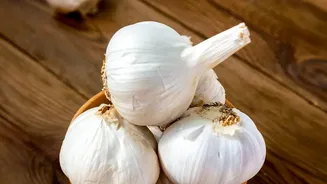
Achieving perfectly caramelized garlic is simple and requires just two main ingredients: a whole head of garlic and olive oil. Start by preheating your oven to around 190-200°C. Take a whole garlic bulb and peel away the loose, papery outer layers, but leave the head itself intact. Using a sharp knife, slice off about a quarter-inch from the top (the stem end), exposing the tips of the individual cloves inside. Place the trimmed head on a piece of aluminium foil, cut-side up. Drizzle generously with olive oil, ensuring it seeps down between the cloves, and sprinkle with a pinch of salt. Wrap the foil tightly around the garlic to create a sealed packet. This traps moisture, effectively steaming the garlic and helping it become tender. Place it in the oven and let it roast.
Knowing When It's Done
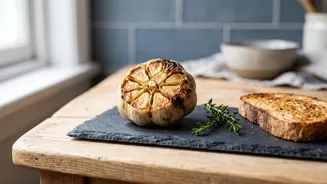
Timing is everything, but it can vary based on the size of your garlic bulb and your specific oven. Begin checking after about 35-40 minutes. The goal is cloves that are completely soft and a beautiful golden-brown colour. A great way to test for doneness is to gently squeeze the side of the foil packet (using an oven mitt, of course). If it feels very soft and squishy, it's likely ready. For a deeper, more roasted flavour and colour, you can open the foil packet for the last 5 to 10 minutes of cooking to allow the tops of the cloves to caramelize further. Once done, remove it from the oven and let it cool for a few minutes until it's safe to handle. The reward is a head of garlic so tender you can squeeze the creamy, roasted cloves right out of their skins.
How to Store Your Roasted Gold
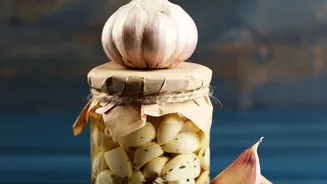
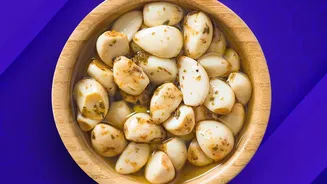
Once you've made a batch, you'll want to keep it on hand. For short-term use, you can store roasted garlic in an airtight container in the refrigerator for up to four days. To extend its life in the fridge to about two weeks, squeeze the cloves out of their skins into a jar and cover them completely with olive oil. For longer-term storage, freezing is an excellent option. You can freeze the individual cloves on a baking sheet before transferring them to a freezer bag, where they'll last for several months. Another popular method is to mash the roasted garlic into a paste, portion it into an ice cube tray, freeze, and then transfer the cubes to a bag for easy use in future recipes.
Endless Ways to Use Roasted Garlic
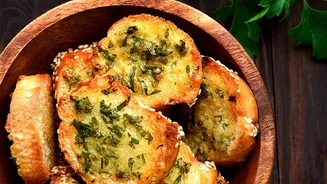
Now for the best part: using it. The mellow, sweet flavour of roasted garlic elevates almost any savoury dish. Mash the soft cloves and mix them into softened butter to create a compound butter that's incredible on steak or spread on bread. Whisk it into salad dressings, or stir it into soups, stews, and pan sauces for an instant depth of flavour. One of the most popular uses is to mash it into potatoes for an unforgettable side dish. It can be spread directly onto a pizza base before adding sauce and toppings, blended into hummus for a nutty twist, or mixed with mayonnaise for a gourmet sandwich spread. You can even just spread the warm cloves on a piece of crusty bread and enjoy its simple perfection.