





A Catastrophe in the Himalayas
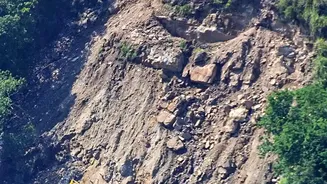
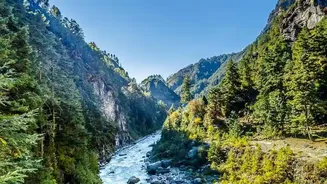
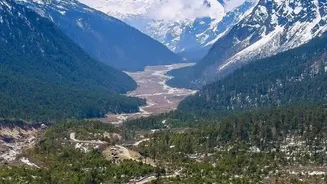
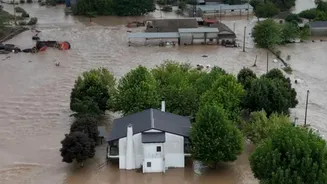
In late August 2026, a massive section of rock and glacier ice tore away from a mountainside near Nepal's border with China, unleashing a catastrophic flood. The torrent of water, ice, and debris thundered through the Trishuli River corridor, killing
over 1,300 people and leaving thousands more missing. The event was so powerful it registered as a magnitude 5.2 seismic event. This disaster was not a typical monsoon flood; it was a complex, cascading event that began high in the mountains, highlighting a new and terrifying vulnerability for the millions living downstream.
The New Study's Sobering Findings
A report released on September 17 by World Weather Attribution, a respected climate research group, sheds light on the disaster's origins. The study concludes that human-caused climate change was a likely and significant contributing factor. Researchers found that decades of warming thinned the region's glaciers and thawed permafrost—the frozen ground that acts like cement for mountain slopes. While not the sole cause, with a 2015 earthquake also potentially weakening the rock, climate change created the 'preconditions' for the disaster by making the slope fundamentally less stable over time.
The Science of a Destabilized Landscape
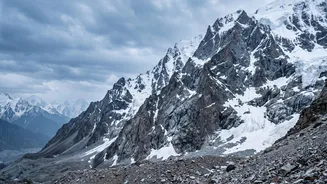
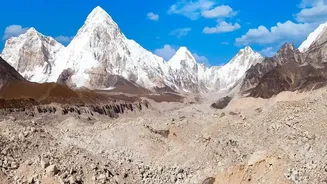
The science is a story of compounding factors. Himalayan glaciers have been losing mass at a startling rate, thinning by about half a meter each year. This melt does two things: it reduces the weight pressing down on the mountain, which can alter geological stresses, and it exposes ground that has been frozen for millennia. As this permafrost thaws, the 'glue' holding fractured rock together weakens. The study noted that temperatures in the region were about 1.5 degrees Celsius warmer due to human influence, accelerating this thaw and increasing the likelihood of catastrophic slope failures.
Limits of Adaptation and the Human Cost
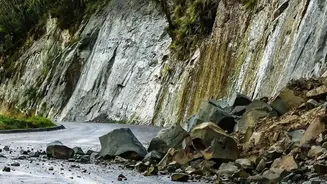
The disaster tragically exposed the limits of current adaptation strategies. Nepal has invested in early warning systems for more predictable riverine floods, but these are no match for a sudden, high-altitude collapse that sends a debris flow downstream at over 170 kilometers per hour. The flood destroyed homes, critical infrastructure like hydropower plants, and entire communities, with recovery costs estimated in the billions of dollars. It's a stark reminder that as climate change accelerates, some impacts may overwhelm even the best-laid plans, pushing communities beyond their ability to adapt.
A Global Warning from the 'Third Pole'
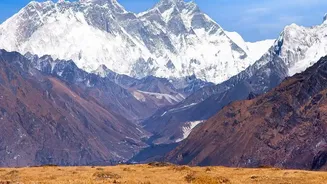
The Himalayas are often called the 'Third Pole' because they contain the largest reserve of ice outside the polar regions. The rivers fed by these glaciers are a lifeline for nearly two billion people across Asia. The new findings from Nepal are not just a local issue; they are a critical warning for the entire world. The study reinforces that climate change is not just about extreme weather events like heatwaves and heavy rain. It is physically altering the stability of our planet's landscapes in profound and dangerous ways. As Nepal seeks international support from climate funds, citing the study as evidence, this event underscores the urgent need for global action to reduce emissions and support vulnerable nations on the front lines of a crisis they did little to create.