




India's Growing Appetite for Protein
There's a quiet revolution happening in India's snack aisles. Fuelled by a growing health consciousness, consumers are looking beyond just taste and convenience. A recent study, the Farmley Healthy Snacking Report 2026, has put a number to this trend,
revealing that a staggering 86% of Indians now consider protein an important factor when choosing a snack. This shift shows that protein has moved from being a niche interest for gym-goers to a mainstream nutritional demand for everyday wellness. The report, which surveyed over 6,000 people across various cities and age groups, found that this intentional snacking is reshaping the market. Consumers are actively seeking out snacks that offer functional benefits, with nearly a third (32%) willing to pay more for protein-rich products. This hunger for healthier options reflects a deeper understanding of nutrition's role in a busy, modern lifestyle, where snacks are expected to provide sustained energy, not just a fleeting treat.
The Hidden Truth in 'Healthy' Snacks
While the focus on protein is a positive step, it has created a new problem: the health halo effect. Many products labelled 'high-protein' are not as wholesome as they appear. To improve taste and texture, manufacturers often load these snacks with hidden sugars, unhealthy fats, and refined flours. Ingredients like glucose syrup, maltodextrin, and hydrogenated oils can turn a seemingly smart choice into little more than a glorified candy bar. Even savoury snacks are not immune; sugar is frequently used to balance flavours in spicy namkeens and mixes. The issue is compounded by misleading marketing. Terms like 'natural sweeteners' (such as honey or date syrup) still refer to sugar, which impacts blood glucose levels. 'Low-fat' versions of snacks may contain even more sugar to compensate for the loss of flavour. This makes it difficult for even the most well-intentioned consumer to know what they are truly eating.
Becoming a Smarter Snack Shopper
The key to navigating the snack aisle is to ignore the loud marketing claims on the front of the package and turn your attention to the nutrition label on the back. According to the Farmley report, 62% of consumers already consider ingredient transparency the most important factor when choosing a brand, more so than celebrity endorsements. When you read the label, look for a short list of recognisable, whole-food ingredients. A good rule of thumb is to be wary if sugar or its many aliases (like fructose, sucrose, or corn syrup) are listed among the first three ingredients. Also, aim for snacks that offer a good balance of protein and fibre, which work together to keep you feeling full and satisfied for longer. A snack that is genuinely high in protein should ideally provide at least 10 grams of protein per 100-gram serving.
Healthier Alternatives: New and Traditional
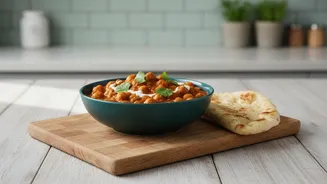
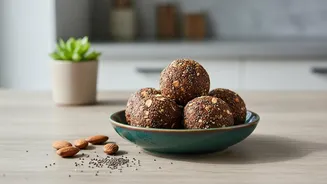
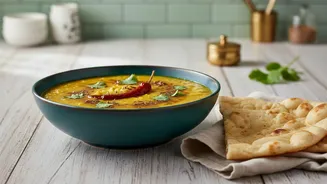
Making healthier choices doesn't mean you have to give up snacking. India's rich culinary heritage offers a wealth of naturally protein-rich options that are making a comeback. Simple, time-tested snacks like roasted chana (chickpeas), makhana (fox nuts), sprouts, and peanuts are excellent sources of protein and fibre without the unwanted additives. A handful of roasted chana, for instance, provides a powerful dose of protein that promotes satiety. Similarly, traditional preparations like sattu (roasted gram flour) and moong dal chilla are being rediscovered for their impressive nutritional profiles. Alongside these traditional staples, the market is also seeing a rise in genuinely clean-label packaged snacks. Look for brands that use whole grains like jowar or millets, and rely on minimal processing like roasting instead of frying. Combining these whole foods, such as having paneer cubes with vegetables or an apple with natural peanut butter, can create a balanced and fulfilling snack.