


The Aromatic Advantage
Toasting whole spices is one of the quickest ways to elevate a dish from good to great. The technique, a cornerstone in Indian, Mexican, and Middle Eastern cuisines, works by releasing volatile oils trapped within the spices. When raw, these aromatic
compounds are dormant. Applying gentle, dry heat breaks down the spices' cell walls, allowing the natural oils to surface and release their intense fragrance and flavour. This process doesn't just make the spice taste 'more'; it adds layers of complexity, bringing out nutty, earthy, and sometimes sweeter notes that were previously hidden. The transformation is so significant that a freshly toasted and ground cumin seed bears little resemblance to its pre-ground counterpart from a jar.
A Moment of Kitchen Science
What's happening in the pan is a beautiful bit of chemistry. As the spices heat up, they undergo the Maillard reaction, the same process that gives seared steak and toasted bread their delicious browned flavour. This reaction between amino acids and sugars creates a host of new flavour compounds that weren't present in the raw spice. Simultaneously, the heat drives off any residual moisture, which can make older spices taste muted, effectively refreshing them. The key is that you are activating and creating flavour, not just warming things up. This is why it’s best to toast whole spices; pre-ground spices have a much larger surface area, making them incredibly susceptible to burning before these wonderful reactions can properly occur.
Your Step-by-Step Guide
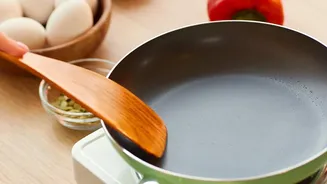
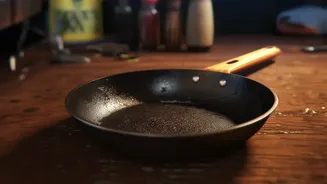
Mastering the art of toasting is about paying attention. The most common and controlled method uses a dry pan. Start with a heavy-bottomed skillet, which provides even heat. Place it over medium-low to medium heat. Once the pan is warm, add your whole spices in a single layer; overcrowding will cause them to steam rather than toast. Keep the spices moving constantly by shaking the pan or stirring. This is not the time to walk away—the entire process takes only two to five minutes, and spices can go from perfect to burnt in a matter of seconds. Your senses are your best guide. Once the spices are deeply fragrant and have darkened slightly, they're done. Immediately transfer them to a cool plate or bowl to stop the cooking process, as the residual heat in the pan will continue to toast them.
Spices That Love the Heat
While nearly any whole spice benefits from toasting, some are particularly transformed by the process. Seeds like cumin, coriander, and fennel develop a profound nuttiness. Black peppercorns become sharper and more pine-like. Cardamom pods release an intensely warm and floral aroma. Other excellent candidates include mustard seeds, cloves, star anise, and allspice berries. If you're toasting a blend, it's often best to toast spices of a similar size together or toast them separately to ensure everything cooks evenly. Small, oily spices like sesame seeds or cloves can toast much faster than larger, denser ones like peppercorns.
From Pan to Powder
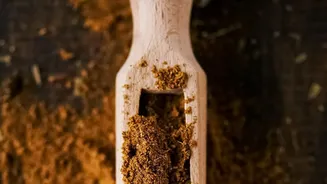
Once your spices have cooled completely, you can use them whole or grind them. Grinding while they are still warm can create steam and cause clumping in your grinder. For the most potent flavour, grind them right before you use them. A dedicated coffee grinder (used only for spices) or a traditional mortar and pestle works best. Toasted and ground spices are more potent than their raw, pre-ground equivalents, but their flavour also fades more quickly because the oils have been released. Store any leftover toasted spices, whole or ground, in an airtight container away from light and heat. Whole toasted spices will keep for about two weeks, while ground ones are best used within a week for maximum impact.
The Fine Line to Bitterness
The headline's warning is critical: there's a very fine line between 'toasted' and 'burnt'. A burnt spice is acrid and bitter, and there's no way to salvage its flavour. The most common mistake is using heat that's too high. Start with medium-low heat and have patience. The other mistake is inattention. A spice can be perfect one moment and smoking the next. If you see or smell smoke, you're on the edge of burning them and should pull them from the heat immediately. Trust your nose above all else; when the aroma shifts from fragrant and nutty to sharp and burnt, it's too late. It's always better to slightly under-toast than to over-toast.