


Why The Sudden Interest in Homemade Sunscreen?
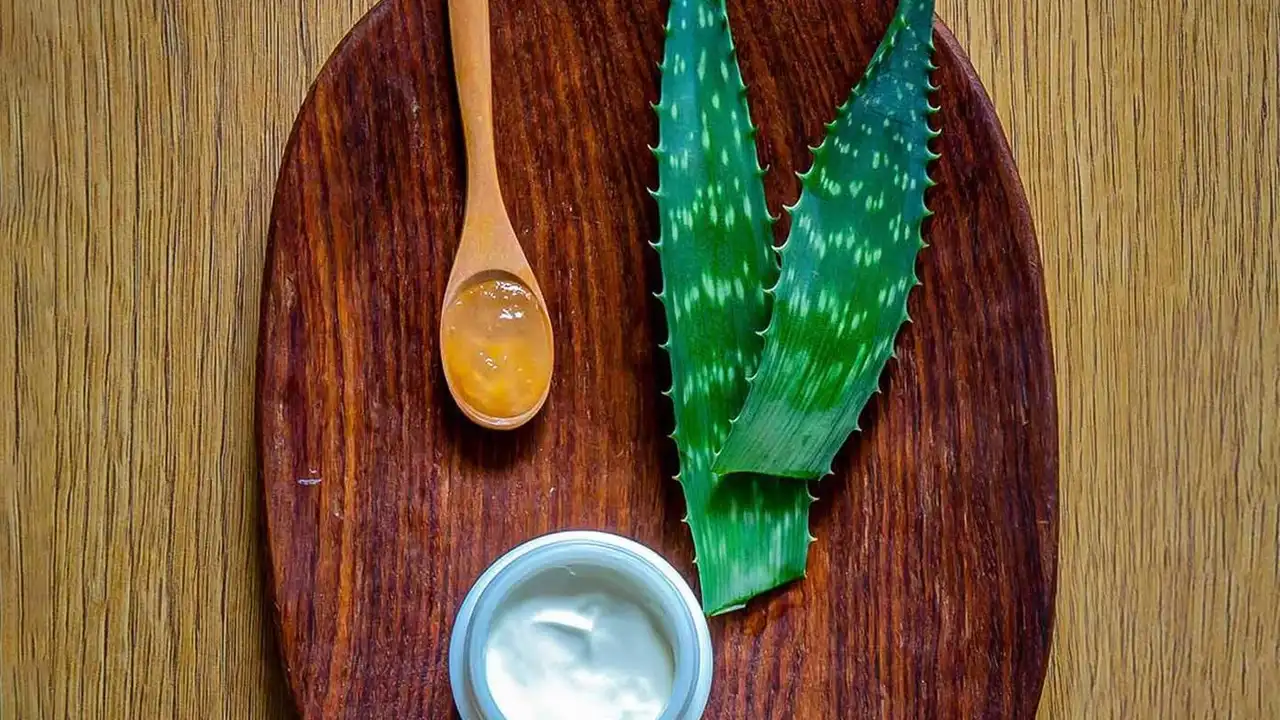
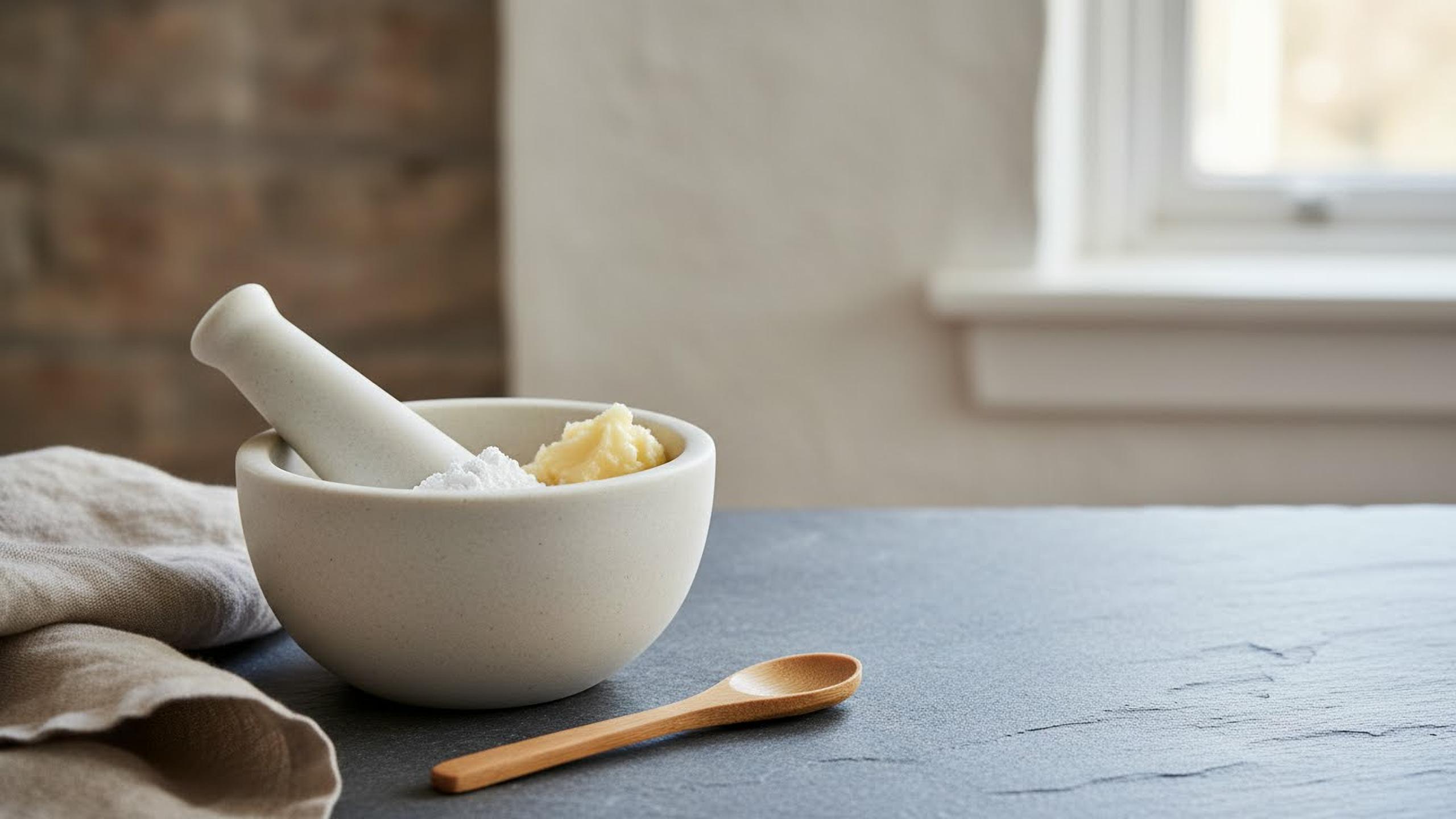
From social media trends to a desire for more 'natural' personal care products, the allure of making sunscreen at home is understandable. Many online recipes promise effective protection using simple ingredients like coconut oil, shea butter, and zinc
oxide powder. The motivation often stems from concerns about chemicals in commercial products or the belief that a homemade version is a purer, safer alternative for the family. However, this well-intentioned effort overlooks the rigorous science and regulation required to create a product that actually shields your skin from harm. A false sense of security from an ineffective DIY product can be more dangerous than using no sunscreen at all, as it might encourage longer sun exposure.
How is SPF Actually Tested?
The Sun Protection Factor (SPF) number on a bottle is not just a marketing claim; it's a result of extensive, standardised testing. The global gold standard is an 'in vivo' test (ISO 24444), which is performed on human volunteers in a controlled lab environment. Scientists apply a precise amount of sunscreen to small sections of a volunteer's back and then expose those areas to a measured amount of UV light from a specialised lamp. They then measure the Minimal Erythema Dose (MED), which is the minimum amount of UV energy required to cause slight reddening of the skin. The SPF is calculated by comparing the MED of protected skin to that of unprotected skin. For example, an SPF 30 means it should theoretically take 30 times longer for your skin to start reddening with the sunscreen on.
The Problem with 'Kitchen Chemistry'
Simply mixing zinc oxide powder into an oil does not make an effective sunscreen. The biggest challenge is achieving a uniform dispersion of the protective particles. In professional formulations, sophisticated equipment and stabilising ingredients ensure that mineral filters like zinc oxide are spread perfectly evenly. Without this, a DIY mixture will have clumps and gaps, creating a patchy shield that leaves areas of your skin completely exposed to UV radiation. Furthermore, there is no way for a home creator to verify the final SPF of their product. Judging effectiveness by whether you get a sunburn is a poor and dangerous measure, as sunburn is primarily caused by UVB rays, while silent damage from UVA rays continues unchecked.
What About Broad-Spectrum Protection?
Effective sun protection is about more than just preventing sunburn. It requires 'broad-spectrum' coverage, which means it protects against both UVB and UVA rays. UVB rays are the primary cause of sunburn, but UVA rays penetrate deeper into the skin, causing premature ageing, wrinkles, and contributing significantly to the risk of skin cancer. Commercial sunscreens undergo separate testing to prove their UVA protection. DIY recipes have no way of guaranteeing this crucial broad-spectrum coverage. Even if a homemade concoction offered some minimal UVB protection, it would likely provide almost no defence against the deeper, more insidious damage from UVA rays.
Debunking the 'Natural Oil SPF' Myth
Many DIY recipes rely on the myth that certain plant oils have inherent sun-protective qualities. While some studies have measured the SPF of oils like coconut and raspberry seed, the values are consistently low and unreliable. For instance, coconut oil and olive oil have an estimated SPF between 1 and 8, which is far below the minimum SPF 30 recommended by dermatologists. One widely misinterpreted study from 2000 led to a persistent myth that raspberry seed oil has an SPF of 28-50, a claim that has since been called 'a dangerous myth' by researchers. These oils cannot provide adequate protection on their own and should never be considered a substitute for a properly formulated sunscreen.
The Risks of Unstable Formulas
Beyond the lack of reliable protection, DIY sunscreens pose another risk: instability. Commercial products contain preservatives to prevent the growth of harmful bacteria and fungi, as well as emulsifiers to stop the formula from separating. A homemade mixture of oil and other ingredients can quickly spoil, especially in warm weather, or separate into layers, rendering it completely ineffective. Applying a spoiled product can lead to skin irritation, rashes, or infections. A separated formula means you might be applying pure oil to your skin with no protective minerals at all. This lack of stability makes homemade sunscreen unpredictable and unsafe from the moment it is mixed.