





Why Your Gut Loves Fibre
Dietary fibre is a type of carbohydrate found in plant-based foods that your body can't digest. Instead of being broken down, it travels through your digestive system mostly intact, working wonders along the way. Think of it as the 'housekeeper' for your gut.
A high-fibre diet helps maintain bowel regularity, preventing issues like constipation by adding bulk to stool and making it softer and easier to pass. This process not only keeps you comfortable but also reduces the risk of conditions like haemorrhoids. Furthermore, fibre feeds the good bacteria in your gut, promoting a healthy microbiome which is essential for overall wellness. Starting your day with a fibre-rich meal kickstarts your metabolism and can lead to better focus and sustained energy throughout the morning.
The Two Types of Fibre
Fibre isn't a one-size-fits-all nutrient; it comes in two main categories: soluble and insoluble, and your body needs both. Soluble fibre dissolves in water to form a gel-like substance in your digestive tract. This gel slows down digestion, which helps you feel fuller for longer and plays a key role in stabilising blood sugar levels. It also helps lower 'bad' LDL cholesterol by binding with fatty acids and removing them from the body. Good sources of soluble fibre include oats, barley, apples, citrus fruits, carrots, beans, and seeds like flax and chia. Insoluble fibre does not dissolve in water. Instead, it adds bulk to your stool and helps food pass more quickly through the stomach and intestines, promoting regularity. You can find insoluble fibre in foods like whole grains, nuts, beans, and vegetables such as cauliflower and green beans.
How Much Fibre Do You Need?
Despite its importance, most people don't get enough fibre. According to dietary guidelines, adults should aim for about 25 to 38 grams of fibre per day, depending on age and gender. Unfortunately, the average intake is often only about half of that recommended amount. Starting your day with a high-fibre breakfast is a strategic way to help close this gap. A morning meal rich in fibre can help you stay satiated, reducing the urge to snack on less healthy options later in the day and aiding in weight management. When increasing your fibre intake, it's important to do so gradually over a few days and to drink plenty of water. Adding too much fibre too quickly can lead to gas, bloating, and discomfort.
Idea 1: The Soluble Fibre Oatmeal Bowl
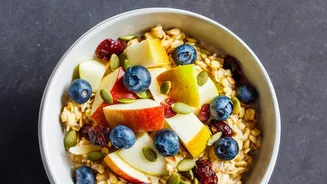
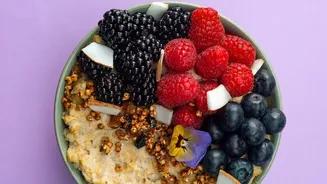
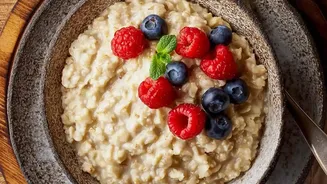
This bowl is a classic for a reason and a powerhouse of soluble fibre. Start with a base of rolled oats, cooked with milk or water. Oats are celebrated for their ability to help manage cholesterol and blood sugar. To boost the fibre and flavour, stir in a tablespoon of chia seeds or ground flaxseeds, which also provide a healthy dose of omega-3 fatty acids. Top your bowl with sliced bananas or grated apple, both excellent sources of soluble fibre. A sprinkle of cinnamon not only adds warmth and flavour but can also help with blood sugar regulation. This bowl is creamy, comforting, and will keep you feeling full and satisfied until lunchtime.
Idea 2: The Insoluble Fibre Dalia Bowl
For a breakfast that really gets your digestive system moving, a bowl of savoury dalia (cracked wheat) is a fantastic option popular in many Indian households. Dalia is a whole grain rich in insoluble fibre. Prepare it like an upma by lightly roasting the dalia and then cooking it with water and finely chopped vegetables like carrots, peas, and beans. Sauté some mustard seeds, curry leaves, and onions for a flavourful base before adding the dalia and vegetables. This not only makes it delicious but also adds to the overall nutrient content. Top with a handful of roasted peanuts or almonds for extra crunch, protein, and another hit of fibre.
Idea 3: The Balanced Smoothie Bowl
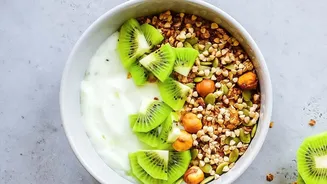
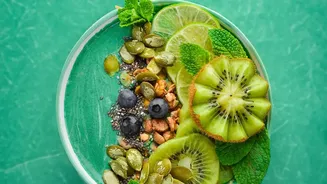
If you prefer a quicker, cooler breakfast, a smoothie bowl can be an excellent way to pack in both soluble and insoluble fibre. Blend a handful of spinach (a source of insoluble fibre) with a frozen banana and half an avocado for a creamy, soluble fibre-rich base. Use a small amount of yoghurt or milk to get the blender going. Pour the thick smoothie into a bowl and get creative with toppings. Berries, sliced kiwi, and a sprinkle of mixed seeds like pumpkin and sunflower will add more fibre, texture, and a wealth of vitamins and antioxidants. This is a vibrant, nutrient-dense way to get a balanced mix of both fibre types first thing in the morning.