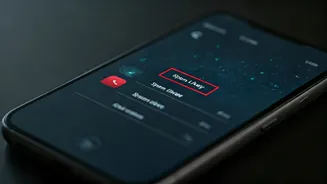








TRAI’s Plan to Unmask Callers
The core of TRAI's new strategy is a system called Calling Name Presentation, or CNAP. Unlike third-party apps that rely on data crowdsourced from users' contact lists, CNAP is designed to display the caller's official name as registered in the telecom
operator's Know Your Customer (KYC) records. This means when you receive a call, the name displayed would be the one linked to the SIM card during purchase, providing a layer of verified identity that has been missing from the ecosystem. The goal is to restore trust in voice calls, which have become plagued by spam and sophisticated scams.
A Direct Challenge to Existing Apps
The introduction of a native, network-level caller ID system poses a direct challenge to the business models of Truecaller, Hiya, and Whoscall. These platforms have built massive user bases in India by solving the very problem CNAP aims to address. Their key features—caller identification, spam tagging, and call blocking—are based on their own vast, user-generated databases. TRAI's CNAP, on the other hand, will be integrated directly into the telecom network, making it a default feature for many users and potentially reducing the need for a separate app. The system is being rolled out in phases on 4G and 5G networks, with a target for nationwide availability by March 2026.
The Other Side of Regulation
Beyond creating its own caller ID system, TRAI is also seeking more direct authority over these apps. The regulator is pursuing powers under the IT Act to take action against platforms like Truecaller for incorrectly tagging legitimate business and government calls as spam. Currently, these apps are classified as intermediaries and fall outside TRAI's direct jurisdiction. The regulator argues that when official numbers (from the 140 and 1600 series) are wrongly blocked, it disrupts essential communication from banks, delivery services, and government agencies. This move would allow TRAI to enforce compliance and penalize platforms for misclassification.
The Privacy and Control Dilemma
While a verified caller ID system promises to curb fraud, it also raises significant privacy questions. Displaying the official KYC-registered name by default could expose individuals' identities in ways they are not comfortable with, potentially leading to harassment or misuse of information. Recognizing this, regulators have stated that users will have an option to opt out of having their name displayed through a feature known as Calling Line Identification Restriction (CLIR). However, this feature is typically restricted and may not be easily accessible to all subscribers, creating a tension between the collective benefit of fighting spam and the individual's right to privacy.
What This Means for Indian Mobile Users
For the average person in India, this regulatory shake-up will change the fundamental experience of receiving a phone call. In the near future, your phone might natively display the verified name of unknown callers. While this could significantly reduce the anxiety associated with unsolicited calls, it also means your official name might be displayed to everyone you call. The dominance of apps like Truecaller is being challenged from two fronts: a competing government-backed system and increased regulatory scrutiny over how they operate. The companies insist they are compliant with regulations, but the landscape is undeniably shifting.