




A Trio of Crucial Tests
Before Indian astronauts, or 'Gaganauts', can make their historic journey, every single component of their spacecraft must be proven to be safe and reliable. Recently, the Indian Space Research Organisation (ISRO) successfully completed a trio of major
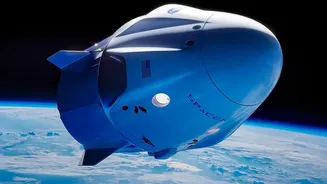
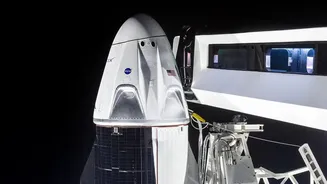
qualification tests on the Gaganyaan Crew Module systems. These aren't just minor checks; they are full-scale simulations of some of the mission's most perilous moments. The tests focused on systems that are absolutely critical for crew survival, particularly during the return journey to Earth. According to ISRO, the trials included the Crew Module Up-righting System (CMUS), umbilical separation testing, and a structural test to ensure the module can withstand the force of its parachute cover being jettisoned. Each test validates a moment in the mission where astronauts have no manual control and must depend entirely on the automated systems to work perfectly.
The Life-or-Death Moment of Separation
Spaceflight is a sequence of controlled separations. A rocket sheds its boosters, stages fall away, and finally, the crew capsule separates for its return. The recent ISRO tests focused intensely on these moments. One test validated the umbilical connection that links the Crew Module (where astronauts live) to the Service Module (which provides power and propulsion). This connection must sever cleanly before re-entry; any failure could be catastrophic. The test demonstrated a clean break and confirmed the structural stability of the module's panels during the event. Another test focused on the Apex Cover, a protective shell that guards the parachutes. This cover must be blown away at a precise altitude to allow the parachutes to deploy. The test subjected a simulated crew module to forces approximately 1.75 times greater than those expected during the actual event, proving the structure can handle the explosive separation without damage.
New Data, New Confidence
The successful completion of these tests provides more than just a pass or fail grade; it gives scientists a wealth of data. The 'fresh clues' are the detailed performance metrics that confirm their designs and models are accurate. For instance, the float inflation test for the Crew Module Up-righting System (CMUS) was a key success. After splashing down in the ocean, the capsule might not be in an upright position. The CMUS, which uses stored gas to inflate flotation bags, must automatically orient the module correctly so astronauts can be safely recovered. The tests demonstrated that the inflation system worked within the required time across its full operating pressure range. This isn't just theory; it's a practical demonstration that gives ISRO immense confidence in the recovery phase of the mission, which is just as important as the launch itself.
The Final Steps to a Historic Launch
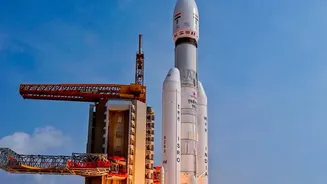
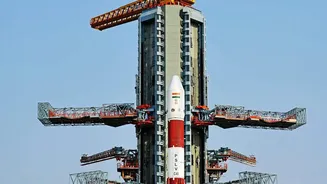
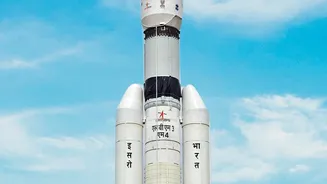
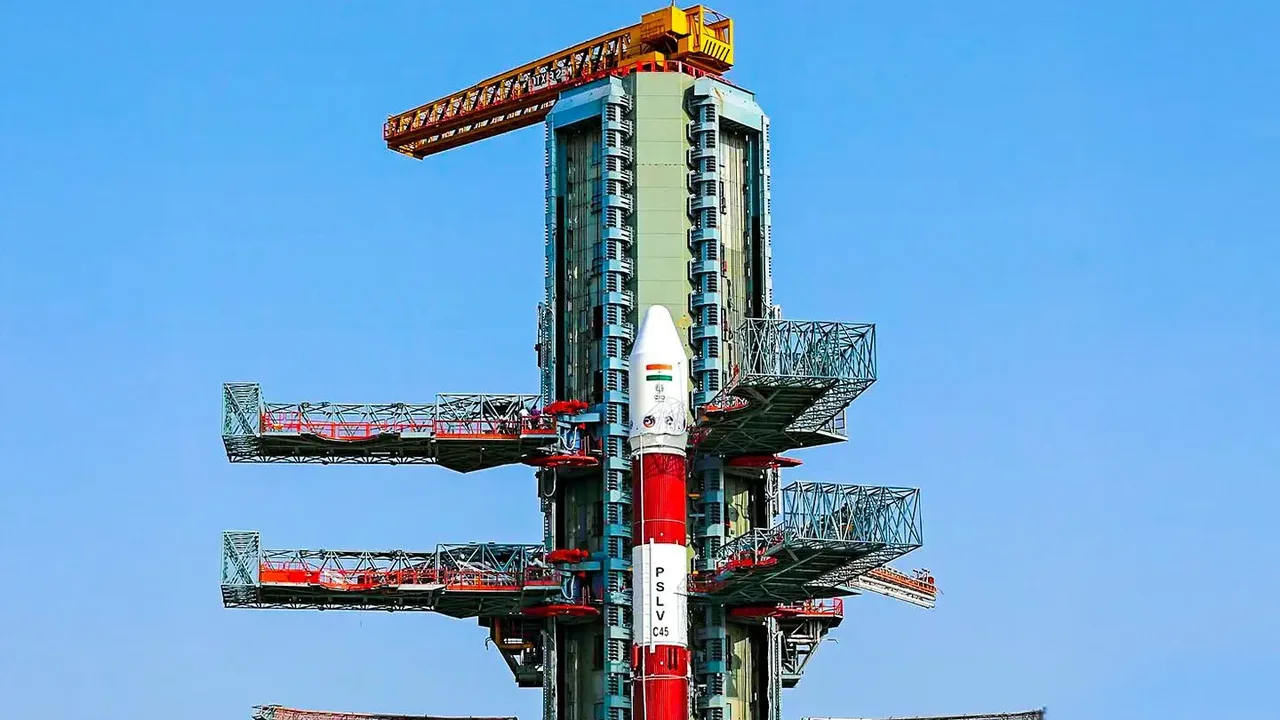
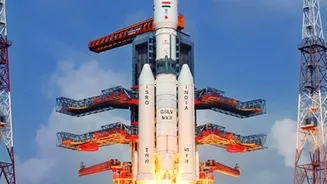
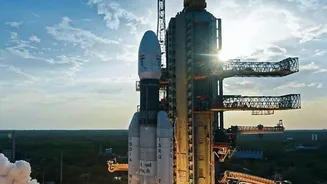
These qualification tests are part of a meticulous, step-by-step process to de-risk human spaceflight. ISRO has already conducted successful flight tests of the Crew Escape System, designed to pull the capsule away from the rocket in an emergency. The Gaganyaan programme is now in its advanced stages, with preparations for the first uncrewed test flight, designated G1, progressing steadily. According to government updates and statements from the ISRO chairman, this uncrewed mission is targeted for the latter half of 2026. The G1 mission will serve as a full dress rehearsal, sending a humanoid robot named 'Vyommitra' into orbit to test the life support systems in real space conditions. The data from G1, combined with the confidence gained from ground qualifications like the recent separation system tests, will pave the way for subsequent uncrewed flights and, ultimately, the first crewed Gaganyaan mission.