






A Rising Tide of Lifestyle Diseases
India is facing a serious public health challenge. Non-communicable diseases (NCDs) like diabetes, hypertension, and heart disease are on the rise, affecting people across all age groups. According to some projections, India has over 101 million people living
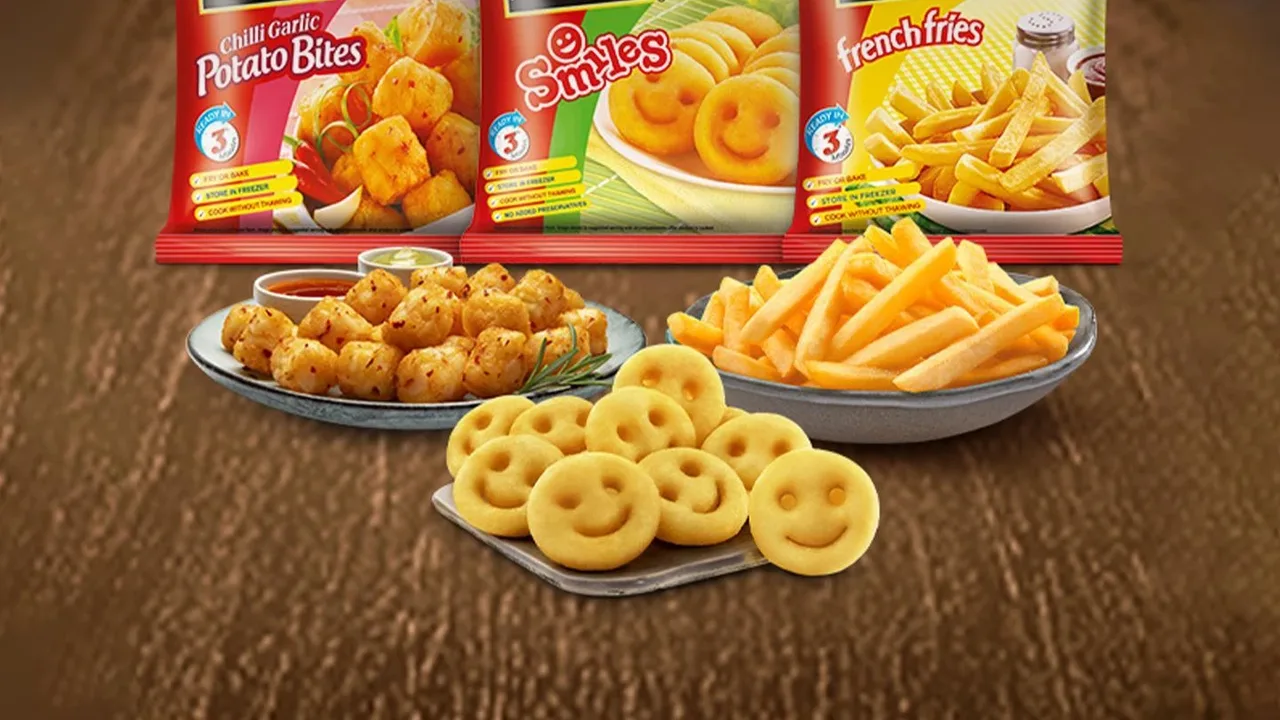
with diabetes, with millions more at risk. A primary driver of this trend is a shift in dietary habits towards processed and ultra-processed foods, which are often high in sugar, salt, and saturated fats. To combat this, public health advocates and even the Supreme Court have been pushing for a clearer way to inform consumers about the nutritional content of what they buy, leading to the debate over Front-of-Pack Labelling (FoPL).
What Are Red Warning Labels?
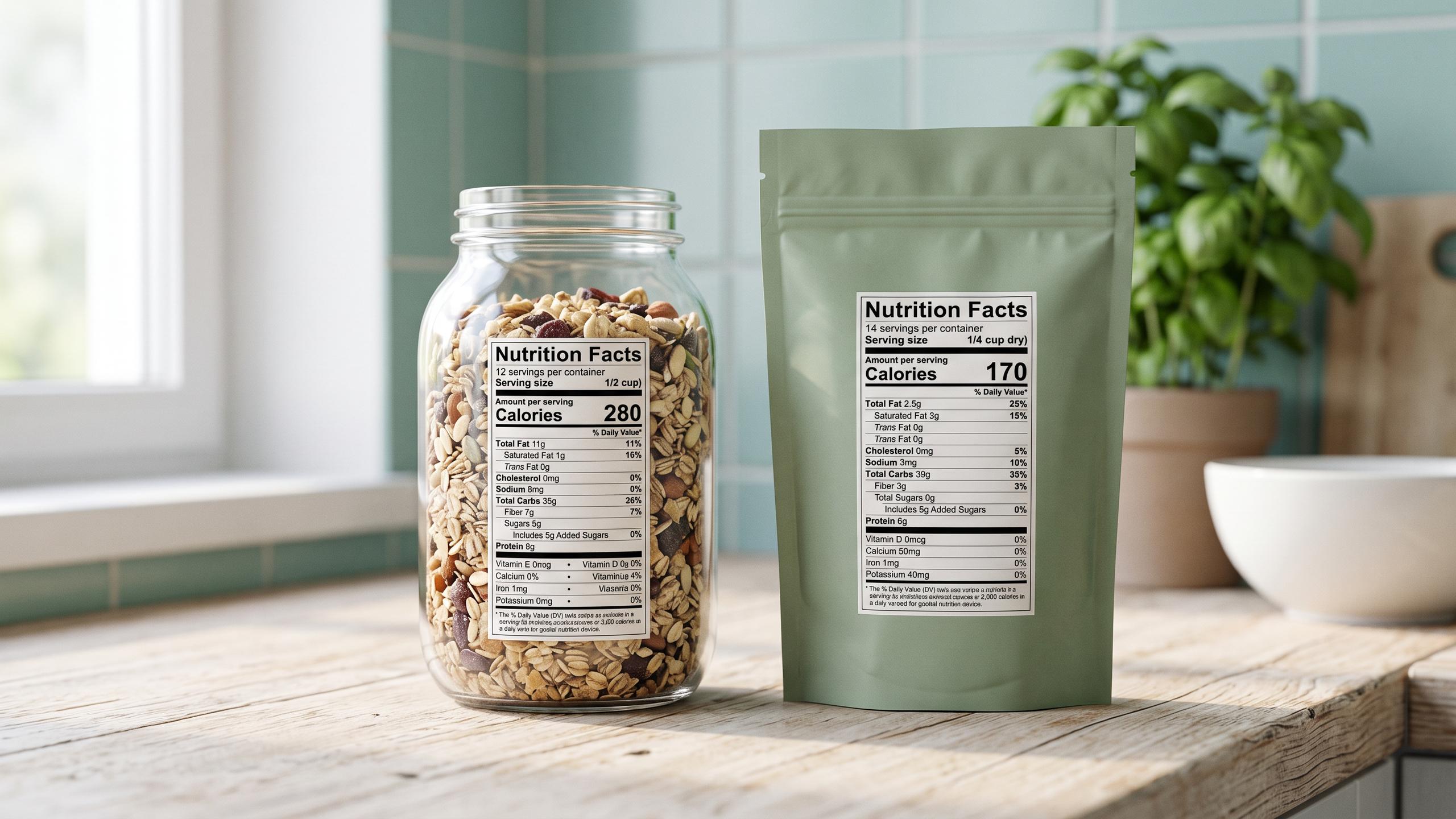
Imagine a simple, clear symbol on the front of a packet of chips or a bottle of soda—a red octagon or circle that says “High in Sugar” or “High in Salt.” This is the essence of a warning label system. Unlike complex nutritional charts on the back of the package, these labels are designed to be understood in a split second, even by those with low literacy. The idea is not to ban these products, but to provide a direct, unambiguous alert to the consumer at the point of purchase. This approach has been adopted in countries like Chile, Mexico, and Israel, where studies have shown it effectively guides consumers toward healthier choices and can even prompt manufacturers to change their recipes.
The Alternative: Health Star Ratings
The debate in India isn't just about whether to have labels, but what kind of labels. An alternative model, favoured by some industry bodies, is the Health Star Rating (HSR) system. This system provides an overall score, often from half a star to five stars, based on a product's complete nutritional profile. Points are awarded for beneficial nutrients like protein and fibre, which can offset the negative impact of high sugar, salt, or fat. Critics argue this creates a “health halo,” where a sugary cereal could still receive a moderate star rating by adding synthetic fibre, potentially misleading consumers into thinking it's a healthier choice than it is.
The Industry Pushback
The push for red warning labels has faced significant resistance from major food and beverage corporations. At a key meeting with India's food regulator, FSSAI, industry executives argued that such warnings would confuse consumers and do not account for Indian cuisine's more intense flavours. There were also arguments that it was “simplistic” to assume a label would change the habits of a consumer who doesn't already read ingredient lists. Following this industry pushback, the FSSAI abandoned its proposal for colour-coded warnings in August 2026, instead suggesting a simple black-and-white table of nutrient information, a move heavily criticised by public health advocates as a win for corporate interests.
A Question of Double Standards
The controversy has also highlighted a perceived double standard. Many of the same multinational companies that have opposed warning labels in India already use similar systems in other markets, like the UK. Furthermore, reports have noted significant differences in product formulations; for instance, some popular soft drinks sold in India contain substantially more sugar than their UK counterparts. This has led to accusations that Indian consumers are not only being sold unhealthier products but are also being denied the clear information that consumers elsewhere receive.
Why This Matters for Every Consumer
The debate over a simple symbol on a food packet is about much more than just a label. It's about your right to clear, honest information and the future of public health in the country. The Supreme Court is scrutinising the FSSAI's decision, viewing the issue as a critical matter of public health amid rising obesity concerns. Studies have consistently shown that warning labels are the most effective format for helping consumers identify unhealthy foods and discouraging their purchase. They empower individuals to make informed decisions quickly, without needing a degree in nutrition to navigate the grocery store.