



A Curious Postcard from the Red Planet
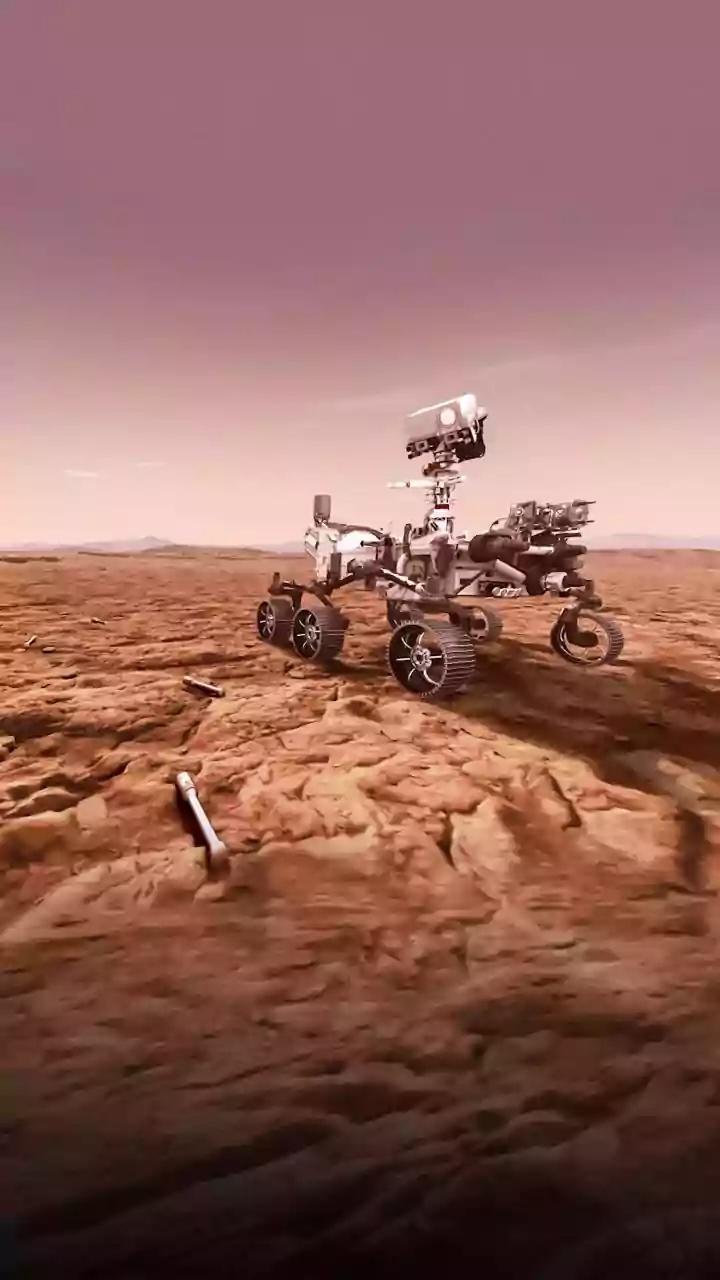
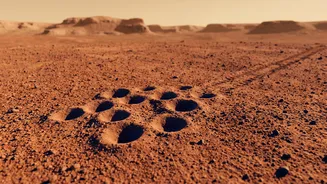
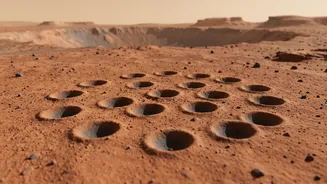
While climbing Mount Sharp, a 5.5-kilometre-high mountain inside Gale Crater, the Curiosity rover spotted something unusual dotting the landscape. These weren't the typical pockmarks left by meteorite impacts, which are common on Mars. Instead, the rover's
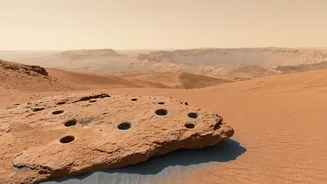
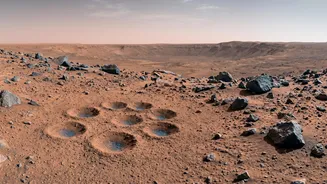
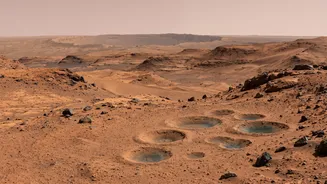
cameras revealed clusters of small, shallow divots in the ground that seemed different from anything seen before. The discovery was made in a region informally named Valle Grande, a broad valley cutting through the mountain's sulfate-rich layers. Intrigued, the science team directed Curiosity to take a closer look, using its high-resolution cameras to capture detailed images that could help unravel how these mysterious pits were formed.
What Makes These Holes So Unusual?
Holes are nothing new on a planet with a long history of meteorite strikes and geological activity. But these particular pits have left scientists scratching their heads. They are unusually broad and shallow compared to other cavities found on Mars. Typically, small holes in Martian bedrock form when hard pebbles or mineral nodules, embedded in softer rock, resist erosion longer than their surroundings before eventually falling out, leaving a cavity behind. In this case, however, there are no obvious pebbles or nodules nearby that look like they once occupied the pits. The absence of a clear culprit is what makes this a genuine puzzle. As one NASA scientist noted, Mars continues to find new ways to be weird, even after more than a decade of exploration by Curiosity.
The Hunt for an Explanation
With the most common explanation not fitting the evidence, scientists are now exploring other possibilities. The answer likely lies in an unfamiliar erosion process or an unusual property of the local rock itself. It could be that the conditions under which these rock layers were formed billions of years ago changed rapidly, creating unique features. NASA's team is currently using the stereo images captured by the rover to build three-dimensional models of the pits. By precisely measuring their shape and depth, they hope to work backwards and deduce the geological mechanism responsible. For now, there is no definitive answer, only a set of intriguing clues waiting to be deciphered.
Not the First Martian Mystery
This isn't the first time a Martian rover has sent back images that sparked intense debate. From the infamous 'Face on Mars' (an optical illusion of a rock formation) to a 'doorway' spotted by Curiosity in 2022, the Red Planet has a habit of presenting us with familiar-looking shapes. The 'doorway' turned out to be a small, naturally occurring fracture in the rock, only about 30 centimetres tall. These discoveries highlight a human tendency to see patterns, but they also underscore the methodical process of science. Most Martian mysteries are eventually solved through careful analysis, turning spectacular claims into understandable geology. These new holes are the latest chapter in that ongoing scientific investigation.
Why These Tiny Pits Matter
While tiny holes might seem insignificant on a planetary scale, they hold important clues about Mars's history. Curiosity's entire mission is to 'read the rocks' of Gale Crater to understand how the planet transformed from a world that once had long-lasting lakes to the cold, dry desert it is today. The features of the rock, from large layers down to these small pits, help scientists piece together the story of water, wind, and climate change on Mars over billions of years. Understanding how these holes formed could reveal new information about the specific environmental conditions in Valle Grande and contribute to the broader goal of determining if ancient Mars could have ever supported life.