

A Global Tradition of Space
Declared by the United Nations in 1999, World Space Week is the largest annual space event on the planet. Its dates are symbolic, commemorating two pivotal moments in space history: the launch of Sputnik 1, the first human-made satellite, on October 4,
1957, and the signing of the Outer Space Treaty on October 10, 1967. The week serves as an international celebration of science and technology's contribution to improving life on Earth. Across more than 95 countries, thousands of events are organised by space agencies, schools, museums, and companies to educate the public, inspire the next generation of scientists, and foster international cooperation in space outreach.
This Year’s Focus: The Rocket Revolution
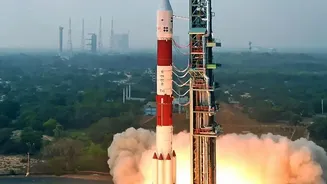
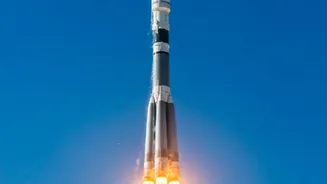
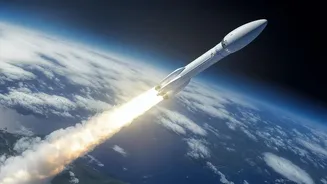
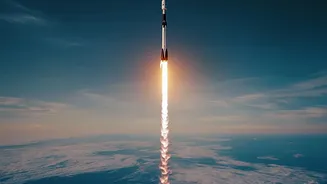
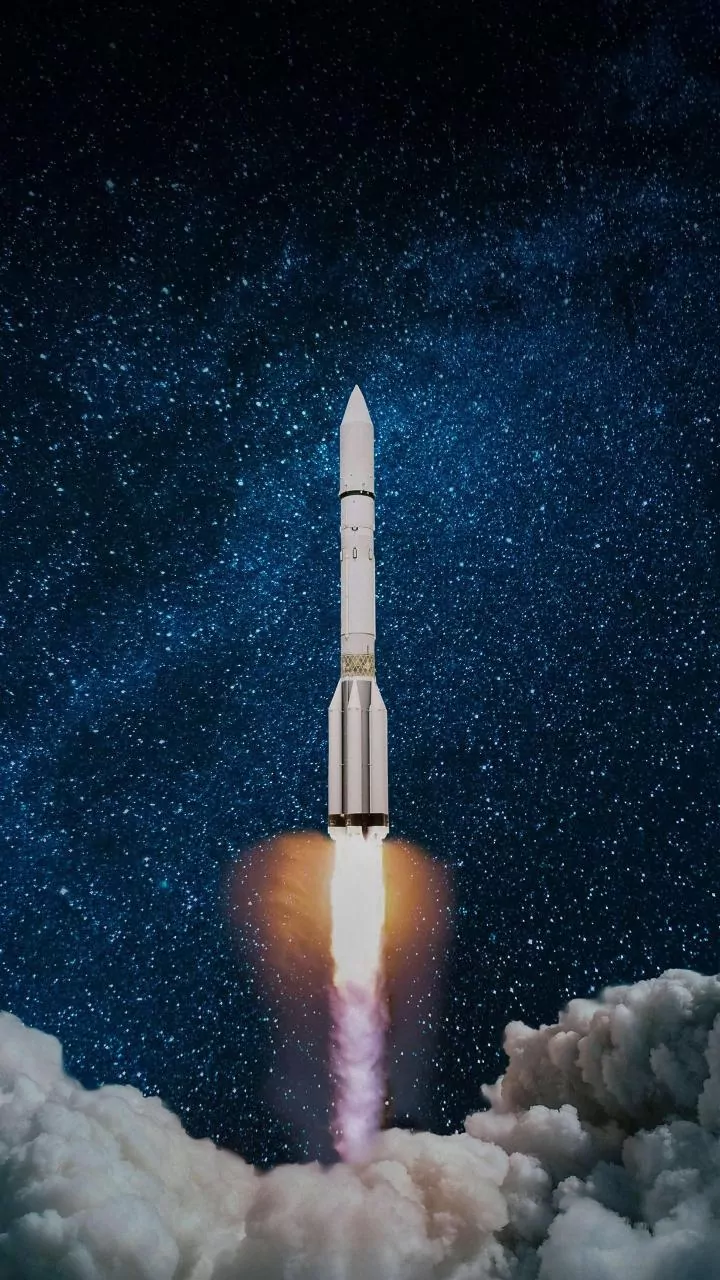
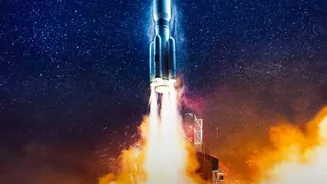
The theme for 2026 is 'Rocket Revolution'. This highlights a fundamental shift in how we access space. For decades, space launches were the exclusive domain of a few government agencies, using expensive, single-use rockets. Today, that is rapidly changing. The 'Rocket Revolution' refers to the rise of reusable rockets, private launch companies, university-led projects, and a growing number of national space actors. This transformation is making space more accessible and affordable than ever before, stimulating a new ecosystem of innovation and application, from satellite communications to deep space exploration. The theme recognises that getting to space is no longer just for superpowers, but an expanding frontier for innovators everywhere.
How India Is Leading the Charge
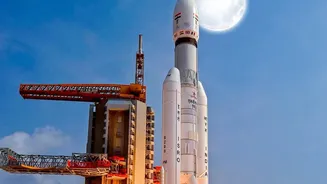
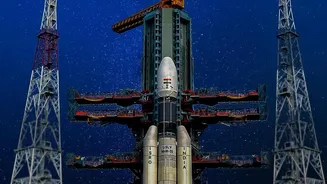
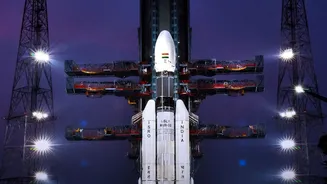
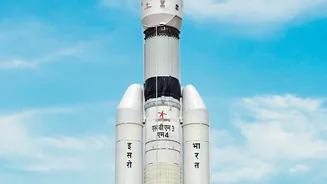
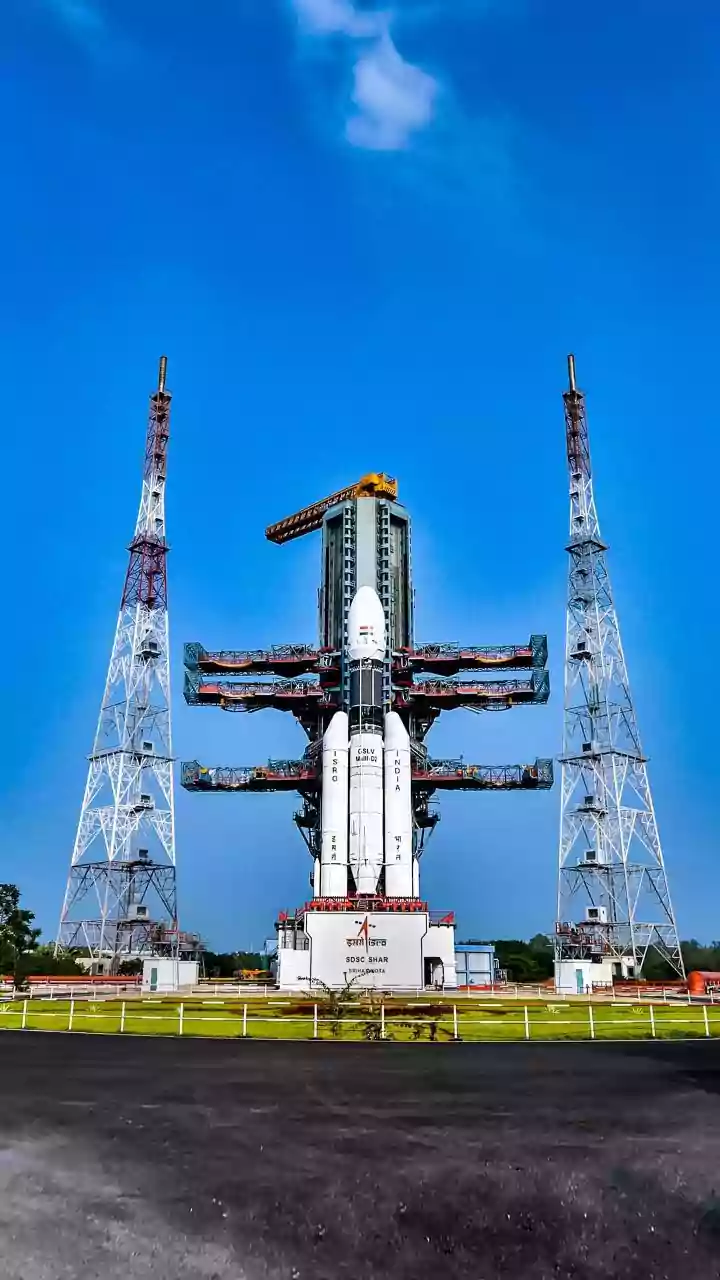
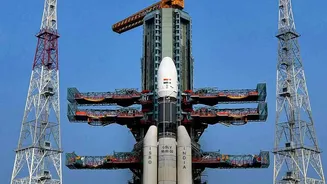
The 'Rocket Revolution' theme is particularly relevant for India. The Indian Space Research Organisation (ISRO) is actively developing its own reusable launch vehicle technology, a key component of this new era. This week, ISRO centres across the country, especially in hubs like Thiruvananthapuram, are at the forefront of celebrations, organising lectures, workshops, and public outreach programmes. Events are planned to showcase India’s progress in launch technology, the ambitious Gaganyaan human spaceflight mission, and the growing participation of private companies in the national space programme. From competitions for students to exhibitions for the public, ISRO is leveraging the week to connect its achievements directly with the people.
From Satellites to Startups
India's space story is no longer just about ISRO. A vibrant ecosystem of private startups is a crucial part of the 'Rocket Revolution' in the country. Companies like Skyroot Aerospace and Agnikul Cosmos, which are developing their own launch vehicles, perfectly embody this year's theme. World Space Week provides a platform for these emerging players to demonstrate their innovations and inspire future entrepreneurs. Educational institutions are also a critical part of the celebration. For instance, the Sethu Institute of Technology is hosting a two-day event in collaboration with ISRO, featuring competitions and interactive sessions designed to immerse students in space science. These activities, from essay competitions on reusable rockets to model exhibitions, help translate complex science into engaging, hands-on learning.
Why It Matters for You
The benefits of this 'Rocket Revolution' extend far beyond launchpads and laboratories. The technologies celebrated during World Space Week are integral to modern life. They power the GPS in our phones, provide the weather forecasts we rely on, enable seamless television broadcasts, and help manage natural disasters. By making space access cheaper and more frequent, this revolution promises to unlock even more applications that can drive sustainable economic development and help us monitor our planet's health. World Space Week is an opportunity for every Indian to appreciate the science that powers our world and to feel pride in the nation's growing role as a global leader in space technology.